


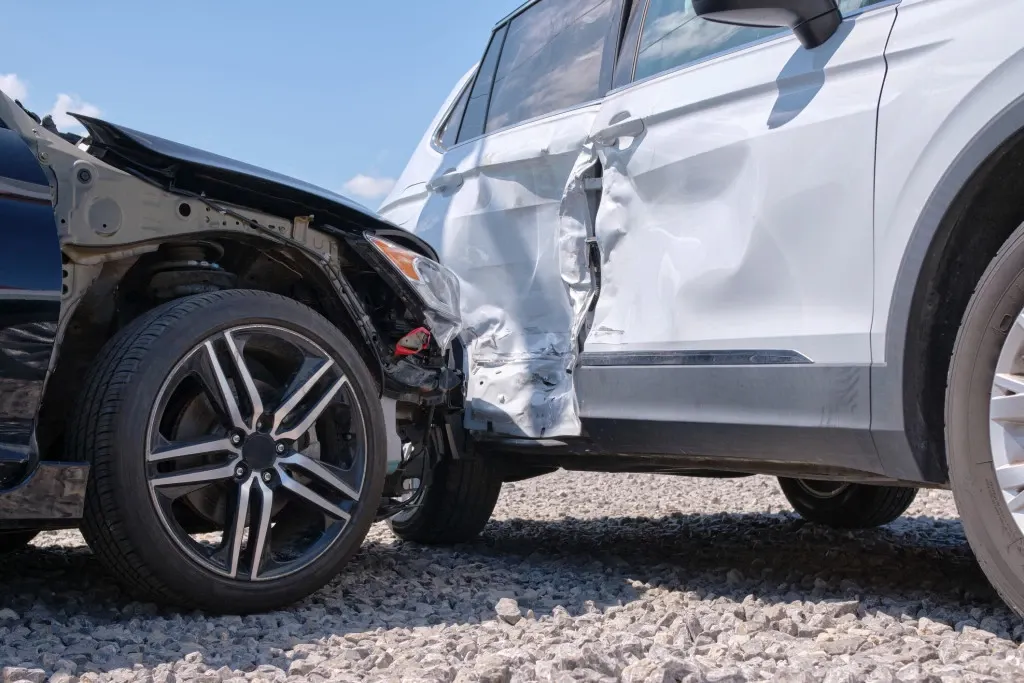
T-bone accidents, also known as side-impact collisions, are very dangerous. These crashes happen when the front of one car hits the side of another, often at intersections or when changing lanes. Because cars have little protection on the sides, people inside are at a higher risk of serious injuries, such as head injuries, broken bones, and internal damage. Concerns about these accidents have led to improvements in car safety, especially with the addition of side airbags.
Side airbags help protect passengers during side-impact crashes by providing a cushion. Many drivers wonder if these airbags really help prevent serious injuries as car manufacturers keep improving safety features. If you or a loved one has been injured in a T-bone accident, securing legal representation from Rosen Injury Law Fort Lauderdale Spanish-speaking car accident attorneys can help ensure you receive fair compensation and understand your legal rights.
The Dangers of T-Bone Accidents
T-bone accidents are very dangerous because the sides of a vehicle provide less protection than the front or back. In head-on or rear-end collisions, crumple zones and airbags help absorb some of the shock. However, side-impact crashes expose drivers and passengers directly to the crash force, making injuries more severe, especially at high speeds.
Most T-bone crashes happen at intersections. They often occur when a driver runs a red light, ignores a stop sign, or fails to yield the right of way. These accidents can also happen when drivers make unsafe left turns or misjudge oncoming traffic. Because of the strong impact and the limited space between the vehicle’s exterior and its occupants, the injuries from these accidents are often life-threatening.
Common Injuries in T-Bone Accidents
T-bone collisions, also known as side-impact crashes, often result in severe injuries due to the limited protection on the sides of a vehicle. Understanding the common injuries associated with these accidents can help victims seek timely medical attention and necessary treatment.
Common injuries in T-bone accidents include:
- Traumatic Brain Injuries (TBI): The impact can cause the head to strike the window or steering wheel, leading to concussions or more severe brain trauma.
- Spinal Cord Damage: The sudden jolt of a side-impact crash can result in spinal fractures, herniated discs, or even paralysis.
- Broken Ribs and Chest Injuries: The force of impact can cause fractures in the ribs, leading to breathing difficulties and potential damage to internal organs.
- Internal Bleeding: Blunt force trauma can cause internal organ damage, which may not be immediately noticeable but can be life-threatening.
- Whiplash and Soft Tissue Injuries: The violent sideways motion often leads to neck strain, muscle tears, and ligament injuries.
- Shoulder and Hip Injuries: The impact can force the body to twist unnaturally, resulting in joint dislocations or fractures.
- Lower Back Injuries: Compression or sudden movement can cause severe lower back pain, herniated discs, or nerve damage.
- Permanent Disabilities: In extreme cases, victims may suffer paralysis, cognitive impairments, or loss of motor function, significantly affecting their daily lives.
How Side Airbags Improve Vehicle Safety
Side airbags improve safety for passengers during side-impact collisions by acting as a cushion between them and the impact. These airbags deploy quickly when a crash occurs, covering the side windows and doors to protect the head, chest, and torso. Studies show that cars with side airbags greatly lower the chance of fatal injuries in T-bone accidents.
There are different types of side airbags. Head-protecting curtain airbags drop from the roof to cover the windows and prevent head injuries. Torso-protecting side airbags inflate from the seat to guard the ribcage and abdomen.
Effectiveness of Side Airbags in Reducing Injuries
Research shows that side airbags are important for reducing injuries in T-bone accidents. Data from the National Highway Traffic Safety Administration (NHTSA) reveals that side airbags lower the risk of deadly head injuries by about 37% in passenger cars and 52% in SUVs. These facts emphasize how crucial airbag deployment is in preventing severe injury.
However, side airbags do not completely prevent injuries. Their effectiveness can depend on factors like how fast the crash happens, the size of the other vehicle, and whether seat belts are used correctly. People in older or smaller cars may still have a higher chance of serious injuries. This is why it’s vital to focus on other safety measures, such as driving carefully and being aware at intersections.
Limitations of Side Airbags in T-Bone Accidents
Although side airbags improve safety, they have some limits. They cannot prevent all injuries, especially in high-speed crashes or accidents with larger vehicles like trucks and SUVs. In these cases, the impact may be too strong for airbags alone to prevent serious harm.
Moreover, not all vehicles have advanced side airbags. Older cars or budget-friendly models might not have these features, which leaves passengers more at risk in a T-bone accident. Additionally, airbags may not work correctly if they deploy improperly or if the safety systems malfunction. This is why drivers should learn about their vehicle’s safety features and consider choosing models with better side-impact protection.
Additional Safety Measures to Prevent T-Bone Accidents
While airbags and other safety features help reduce the severity of injuries, preventing T-bone accidents altogether is the most effective way to minimize harm. Drivers, vehicle manufacturers, and city planners all play a role in enhancing road safety and reducing the risk of side-impact collisions.
Key safety measures to prevent T-bone accidents include:
- Defensive Driving Practices: Always scan intersections carefully, obey traffic signals, and yield the right-of-way when necessary.
- Advanced Driver Assistance Systems (ADAS): Features like blind-spot detection, automatic emergency braking, and collision warnings can help prevent crashes.
- Improved Intersection Safety: Installing roundabouts, optimizing traffic signal timing, and enhancing road markings can reduce accident risks.
- Avoiding Distracted and Impaired Driving: Staying focused, avoiding phone use, and never driving under the influence of alcohol or drugs can significantly lower crash rates.
- Increased Visibility: Using headlights in low-light conditions and ensuring windshield wipers and mirrors are functioning properly can improve awareness.
- Adhering to Speed Limits: Driving at safe speeds, especially in areas with frequent intersections, allows for quicker reaction times.
- Public Awareness Campaigns: Educating drivers on the dangers of reckless driving and the importance of following traffic rules can improve overall road safety.
The Importance of Vehicle Crash Ratings in Side-Impact Protection
When buying a vehicle, many drivers look at fuel efficiency, technology, and style. However, safety ratings should be a top concern, especially for side-impact protection. The National Highway Traffic Safety Administration (NHTSA) and the Insurance Institute for Highway Safety (IIHS) run crash tests to see how well vehicles protect passengers in T-bone accidents. These tests check how well side airbags, crumple zones, and structural reinforcements handle impact forces.
Vehicles with high safety ratings usually have better technology and stronger side-impact protection, which lowers the chance of serious injuries. When choosing a car, consumers should review these ratings to make sure their vehicle provides good protection in crashes. Investing in a car with strong crash test results can save lives, especially for those who often drive in busy urban areas where T-bone accidents are more likely.
