


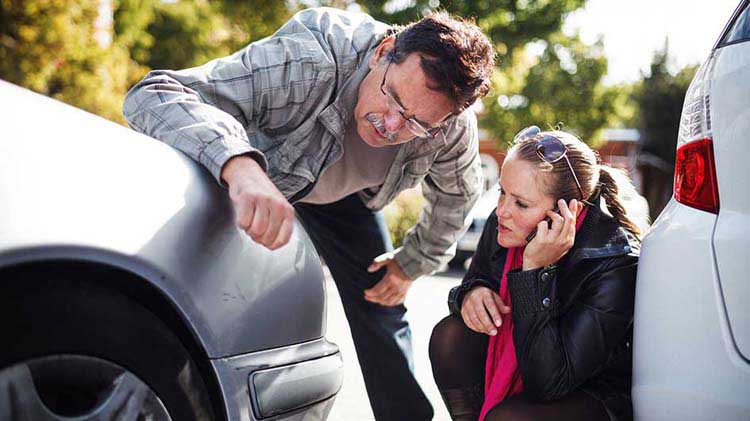
Parking can feel like a breeze until that dreaded moment of discovering scrapes or dings on your prized four-wheeler. Indeed, your vehicle deserves defenses that ward off daily hazards.
A few mindful moves can create a buffer against accidental knocks, swirling weather, and unanticipated intrusions. Let’s explore those strategies.
Selecting Parking Spots with Care
A prime parking spot can be like a golden ticket—worth its weight in peace of mind. Positioning your vehicle in a place free from potential pitfalls is the first step in fending off dents and scratches. Below are some recommendations:
Opt for Low-Traffic Corners
Crowded lots attract bumper taps like magnets attract metal. Choosing a space away from major entrances or busy lanes can reduce the odds of a passerby brushing too close. Imagine two dancers swirling gracefully, never stepping on each other’s toes—you aim to secure enough personal space for your vehicle.
Watch for Hazardous Neighbors
No one wants to park next to a rusted clunker with missing hubcaps that seem to scream “careless owner.” Keeping a safe distance from vehicles that appear poorly maintained or angled awkwardly is wise. Consider it as seating yourself far from rowdy fans in a sports stadium—it’s easier on the nerves.
Beware of Nature’s Surprises
Leaning your vehicle under a towering tree might look shady and cool, but think about random branches dropping like little missiles. Plus, birds sometimes use cars as targets for unplanned “gifts.” Consider seeking an open area that offers more sky and fewer chances of leaf or limb damage.
Staying Within Boundaries
Parking lines offer a framework that keeps everyone in order, but straying too close to one side invites problems. Proficient positioning is like drawing a perfect circle—requiring steady concentration and well-judged placement.
Centering the Vehicle
A well-centered car provides a safety cushion from open doors on either side. Ever see an individual trying to wrestle out of a vehicle in a tight squeeze? That elbow or handbag might graze your paint. Aim for balanced spacing to sidestep irritating scuffs.
Straightening Wheels
Turning your front tires outward can feel like a small detail, yet it makes a real difference. Wheels that point straight limit the chance of accidental rolling, which lowers risk to nearby vehicles. Picture a bowling ball left on a slanted floor—chances are it won’t remain perfectly still.
Strategic Parking Methods
Sometimes the simplest alteration in technique goes a long way in lessening stress. Adopting defensive strategies not only aids your peace of mind but also extends your vehicle’s lifespan.
Reverse Entry
Backing into a space gives a clearer line of sight when exiting. No more craning your neck in blind confusion. It’s like stepping forward on a stage with the spotlight on you, rather than stumbling in from behind the curtain. Give yourself the advantage when pulling out, so you can be sure nobody sneaks up unseen.
Avoid Tight Spaces
The closest spot to the storefront can tempt even the most patient driver. However, wedging into a gap barely larger than your car invites fender follies. Stroll a few extra steps and consider it free exercise. Breathe in the relief of having more room around your vehicle, like a dog who isn’t forced to curl up in a cramped kennel.
Nature, Environment, Weather
Mother Nature can be as gentle as a cool breeze or as fierce as a hailstorm. Treat external factors with respect to keep your car shielded from weather woes.
Leaves During Autumn
Autumn leaves can generate a soggy mess on your windshield. When they collect near vents or crevices, they trap moisture. Picture an unwashed paint palette—each layered color might look pretty, but it can stain or warp the surface. Brush away leaves to avoid lingering dampness.
Snow and Ice Season
Icy mornings sometimes bring a sudden urge to lift windshield wipers. Although that prevents them from freezing to the glass, be sure that strong winds won’t snap those raised blades. It’s similar to opening an umbrella in a windstorm—convenient in concept, yet prone to swirling hazards. Consider gently lifting wipers if storms aren’t in the forecast, then lower them once you return.
Security Precautions
Safeguarding your car is more than parking prowess. Crime prevention enters the picture too, so it’s vital to think like a hawk eyeing potential threats from every angle.
Keep Valuables Hidden
A purse or fancy gadget sitting in plain view can beckon thieves, much like a neon sign saying “Free Candy.” Place wallets, laptops, and other valuables out of sight. That slight effort is well worth avoiding a shattered window and heartache.
Park in Bright Spaces
Illumination offers added security, as shadows allow criminals to creep in. A well-lit area discourages wrongdoing and acts as a beacon of safety. Consider a lamp-lit zone akin to a spotlight that keeps unscrupulous activity offstage.
Essential Upkeep for Your Vehicle
Regular care adds a protective layer against corrosion and general wear. Neglecting maintenance is like leaving a castle moat unfilled—your prized possession becomes more vulnerable when left exposed.
Consistent Washing
Road salt, grime, and bits of asphalt have a way of clinging to your vehicle’s undercarriage. During winter months, washing at least twice a month can rinse away corrosive substances that lead to rust. Think of it like cleaning muddy boots before stepping inside—removing the gunk promptly prevents deeper messes.
Seasonal Waxing
A coat of wax provides a glossy barrier against bird droppings, UV rays, and stubborn dirt. Picture a knight’s shield fending off oncoming arrows. Wax can offer that extra layer, making it more difficult for contaminants to embed themselves in your paint.
Steps in Case of Parked-Car Mishaps
Despite cautious habits, fender benders can still sneak up. Having a plan in place creates a calm approach to stressful scenarios.
If Your Vehicle Receives a Bump
If someone hits your parked car and leaves, check for a note, call the police, look for witnesses, take photos, and report the accident to your insurance. If damages are severe or insurance disputes arise, consider consulting a lawyer for assistance.
Document the Scene: Snap photos of any damage from multiple angles. A visual record helps with insurance claims, much like storing receipts for an expensive purchase.
Contact Authorities
File a police report if the damage is severe or if local regulations require official documentation. Prompt notice is a wise move, especially if there’s confusion about fault.
Notify Insurance
Reaching out to your provider early jumpstarts the claims process. Agents can guide you on coverage details and next steps, often making an unpleasant situation more manageable.
If You Cause Damage to Another Vehicle
Stay Put
Fleeing a scene could land you in legal trouble. Legal steps are important in such cases.
Leave a Note
If you can’t find the owner, jot down your contact details. A short courtesy letter goes a long way to prevent bigger issues later.
Contact Insurance
Confessing an error isn’t easy, but it’s necessary. Your insurer can offer support, ensuring your rights and responsibilities are recognized.
Final Thoughts
Being proactive about parking can be compared to playing chess—you think several moves ahead, ensuring each step is in your favor. A blend of smart positioning, consistent maintenance, and a few well-chosen accessories keeps a vehicle guarded from everyday mishaps. Seek out safe spaces, keep up with basic care, and remain vigilant about security threats.
Aim for a flawless finish that turns heads for all the right reasons. Then sit back, relax, and enjoy the ride, knowing your automobile is well-equipped to resist the usual wear and tear when idle.
