


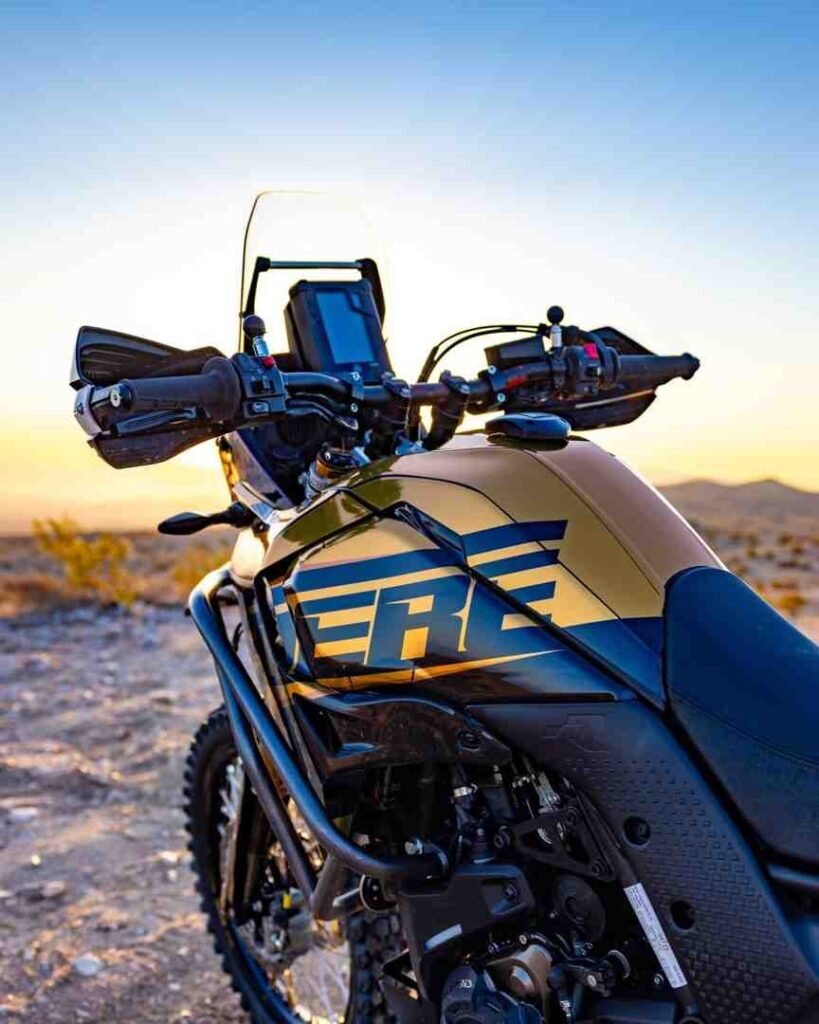
A Deep Dive into Motocross Bike Graphics
The visual impact of a motocross bike often begins with its graphics. Far more than just stickers, these carefully designed kits transform the appearance of our machines, offering a blend of personal expression and practical protection. For owners of a classic 2002 Suzuki RM250, investing in a quality graphics kit can breathe new life into a beloved ride, making it look as sharp as it performs.
The world of motocross graphics is diverse, encompassing a wide array of options in terms of design, material quality, and customization. Understanding these elements is key to making an informed choice that will not only improve your bike’s aesthetic but also withstand the demanding conditions of off-road riding. From the initial design concept to the final application, every step contributes to the overall look and longevity of your bike’s new identity. We recognize that each rider has a unique vision for their machine, and modern graphics solutions are designed to cater to this individuality.
Choosing Your Style: Ready-Made vs. Custom Kits
When starting on the journey of personalizing your motocross bike, one of the first decisions you’ll encounter is whether to opt for a ready-made, semi-custom, or full custom graphics kit. Each option offers a different level of personalization and involvement in the design process, catering to various preferences and budgets.
Ready-Made Kits are an excellent starting point for riders seeking a quick and straightforward aesthetic upgrade. These kits feature pre-designed layouts, colors, and sponsor logos, offering a professional look without the need for extensive design input. They are typically produced in larger batches, which can sometimes lead to faster availability. While customization options are limited, many ready-made kits still allow for basic personalization, such as adding your rider name and race number. They are ideal for those who appreciate a cohesive, established design and want to quickly refresh their bike’s appearance.
Semi-Custom Kits strike a balance between convenience and personalization. With these kits, you start with a pre-existing design template but gain the flexibility to modify certain elements. This often includes changing color schemes, selecting specific sponsor logos from a provided list, and, of course, adding your personalized name and number. The design process for semi-custom kits usually involves an online configurator or a direct consultation with a designer to finalize your choices. This approach allows for a more unique look than ready-made options while still benefiting from a streamlined design process.
Full Custom Kits represent the pinnacle of personalization. For riders who have a distinct vision or want to create a truly one-of-a-kind aesthetic, full custom kits offer complete creative freedom. You can work directly with a design team to develop a graphics scheme from scratch, incorporating unique patterns, specific brand logos, custom fonts, and any other design elements you envision. This option is perfect for professional racers, sponsored riders, or anyone who wants their bike to be an absolute reflection of their individual style and brand. The design process for full custom kits is more involved, often requiring multiple rounds of proofs and revisions to ensure every detail is perfect. While the turnaround time might be slightly longer due to the bespoke nature of the work, the result is an unparalleled level of individuality.
The choice between these kit types ultimately depends on your desired level of uniqueness, your involvement in the design process, and your timeline. Regardless of the path you choose, the goal remains the same: to transform your motocross bike into a visually stunning machine that performs as good as it looks.
Understanding Graphic Kit Materials and Durability
The performance and longevity of your motocross bike graphics are intrinsically linked to the quality of the materials used in their construction. Unlike decorative stickers, motocross graphics are engineered to endure extreme conditions, including impacts, abrasions, harsh weather, and frequent washing. Therefore, understanding the composition of a high-quality graphics kit is crucial for any rider looking to make a lasting investment.
At the core of any graphics kit is the vinyl material. This is the canvas upon which your design is printed. Premium vinyls are chosen for their flexibility, conformability to complex plastic shapes, and their ability to resist shrinking or cracking over time. A key indicator of material quality is its thickness, often measured in “mil” (thousandths of an inch). While specific mil measurements can vary between manufacturers, a common standard for motocross graphics ranges from 18 to 22 mil. This robust thickness provides a significant protective layer for your bike’s plastics, absorbing impacts and preventing scratches that would otherwise mar the underlying surface. Some manufacturers even offer ultra-thick options, reaching up to 25 mil, for riders who demand the absolute maximum in protection and durability.
Equally important is the adhesive strength. Motocross graphics rely on industrial-grade, high-bond adhesives designed to create a strong, lasting bond with plastic surfaces. This adhesive must be aggressive enough to prevent peeling, especially around edges and high-wear areas, but also formulated to allow for some repositioning during installation before fully setting. Advanced adhesives often incorporate “FLO Technology,” which allows air to escape through micro-channels during application, significantly reducing bubbles and making the installation process smoother.
The final, critical component is the laminate layer. This transparent, protective film is applied over the printed vinyl, acting as a shield against physical damage, UV radiation, and chemical exposure from cleaning agents or fuel spills. Laminates come in various types, each offering distinct aesthetic and protective qualities:
- Gloss Laminate: The most common choice, providing a vibrant, shiny finish that improves color depth and gives a professional, factory-fresh look. It’s excellent for showcasing intricate designs.
- Matte Laminate: Offers a subdued, non-reflective finish that gives bikes a modern, stealthy, or rugged appearance. It can also help to hide minor imperfections on the plastics.
- Specialty Laminates: Some manufacturers offer unique options like “Galactic” or “Holographic” laminates, which embed metallic flakes or holographic effects for an eye-catching, iridescent finish. These options add a premium touch and truly make a bike stand out.
Beyond aesthetics, the laminate layer is vital for UV protection. Prolonged exposure to sunlight can cause graphics to fade and dull over time. High-quality laminates incorporate UV inhibitors that drastically slow down this process, ensuring your colors remain vibrant for years. The combination of thick vinyl, strong adhesive, and a durable laminate ensures longevity and durability, allowing your graphics to withstand countless rides, washes, and the inevitable tumbles that come with motocross. When choosing a kit, always inquire about these material specifications to ensure you’re investing in graphics that will look great and last long.
The Art of Personalization: Customizing Your Motocross Bike Graphics
The true beauty of modern motocross graphics lies in the extensive possibilities for personalization. Beyond simply choosing a design, riders can dig into a world of options to make their bike uniquely their own. This level of customization is particularly appealing for owners of classic machines like the 2002 Suzuki RM250, allowing them to blend vintage charm with contemporary style.
One of the most impactful customization options is the color scheme. Many design templates offer the flexibility to alter primary and secondary colors, allowing you to match your gear, team colors, or simply express your favorite hues. This can dramatically change the perception of your bike, changing it from a standard factory look to a bespoke masterpiece.
For competitive riders or those with affiliations, incorporating sponsor logos is a crucial aspect of personalization. Whether it’s your personal business, a local shop, or a major industry brand, graphics providers can integrate these logos seamlessly into your design. It’s often beneficial to provide logos in vector format (AI, EPS, PDF) to ensure the highest print quality. However, be aware that certain highly trademarked logos (like some energy drink brands) may have restrictions on their use.
Adding your rider name and race number is a fundamental element of motocross graphics. This not only identifies you on the track but also adds a professional touch to your bike. You can typically choose from a variety of fonts, styles, and background colors for your number plates, ensuring readability and aesthetic appeal. Many kits also include mini number plates, perfect for helmets or other accessories.
The design process for custom graphics often includes a critical step: design proofs. After you’ve submitted your customization requests, reputable graphics companies will provide a digital rendering of your proposed design. This allows you to review every detail, from logo placement to color accuracy, before the kit goes into production. This collaborative process ensures that the final product perfectly aligns with your vision.
A special consideration for older bikes like the 02 RM250 is compatibility with restyled plastics. Many riders choose to update the look of their vintage bikes by fitting newer-generation plastics (e.g., a Polisport restyle kit that mimics a more modern RMZ aesthetic). When ordering graphics, specify if you have restyled plastics, as the templates will differ significantly from those designed for OEM-shaped plastics. Graphics providers can often accommodate these restyle kits, ensuring a perfect fit for your updated setup.
For those looking to explore the vast array of customization options and find graphics custom specifically for their Suzuki, including models like the RM250, a dedicated resource like Rival Ink 02 RM250 graphics can be an invaluable starting point. They offer comprehensive solutions for riders seeking to personalize their machines with high-quality, durable graphics.
Installation and Maintenance for a Lasting Look
Once you’ve selected and received your stunning new graphics kit, the next crucial step is installation. A proper application is paramount to ensuring your graphics not only look fantastic but also adhere securely and last for many seasons of riding. Equally important is understanding how to care for your graphics post-installation to maintain their vibrant appearance and durability.
While the idea of applying graphics might seem daunting, especially for a full kit on a bike like the 02 RM250 with its unique curves, with patience and the right technique, it’s a manageable and rewarding DIY project. We’ve seen countless riders successfully transform their bikes by following a few key steps.
The Application Process: A Step-by-Step Guide
Successfully applying your graphics kit requires careful preparation and a methodical approach. Rushing the process or neglecting preparation can lead to bubbles, wrinkles, or premature peeling.
1. Surface Preparation: This is arguably the most critical step. Your plastics must be impeccably clean and free of any dirt, grease, oil, or old adhesive residue. * Remove Old Graphics: If replacing existing graphics, gently peel them off. Any stubborn adhesive can be removed using an adhesive remover (like Goo Gone) or rubbing alcohol. Always test these products on an inconspicuous area first. * Clean Plastics Thoroughly: Wash all plastic surfaces with warm, soapy water. Rinse thoroughly to remove all soap residue. * Degrease: Wipe down all surfaces with rubbing alcohol or a specialized plastic cleaner. This removes any remaining oils or contaminants that could prevent proper adhesion. Allow the plastics to dry completely. For new plastics, it’s crucial to wipe them down with rubbing alcohol to remove any mold release agents from the manufacturing process.
2. Gather Your Tools: Having the right tools on hand will make the process much smoother. * Heat Gun or Hair Dryer: Essential for making the vinyl pliable, especially around curves, and for activating the adhesive. * Squeegee: A soft-edged squeegee (often included with kits) is vital for pressing out air bubbles and ensuring firm adhesion. Wrap it in a soft cloth to prevent scratching the graphics. * Clean Microfiber Cloths: For wiping down surfaces and cleaning up any solutions. * Sharp Craft Knife or Razor Blade: For trimming excess material, especially around bolt holes or edges. * Spray Bottle with Water (Optional, but Recommended): A light mist of water on the adhesive side can allow for repositioning, especially for larger pieces. Some prefer a “dry” application for maximum initial tack.
3. Application Technique: * Start Small: Begin with smaller, flatter pieces like fork guards to build confidence and refine your technique. * Positioning: Carefully peel a small section of the backing paper (or the entire backing if using the wet method). Align the graphic precisely on the plastic. For larger pieces like radiator shrouds, it’s often helpful to position one edge or corner first. * Work Slowly: Once aligned, gradually peel back the rest of the backing paper while simultaneously pressing the graphic down with your squeegee. Work from the center outwards to push out any air bubbles and ensure smooth adhesion. * Heat for Curves: For complex curves and contours, use your heat gun or hair dryer on a low setting. Gently heat the vinyl, making it more pliable, and then stretch and press it into place. Be careful not to overheat, as this can distort the graphic or damage the adhesive. * Trim Excess: After the graphic is fully applied, use your craft knife to carefully trim any excess material around edges or cut out bolt holes. A clean, sharp cut will prevent peeling. * Firm Pressure: Once all pieces are applied, go over every graphic with firm pressure from your squeegee, paying extra attention to edges and corners, to ensure maximum adhesion.
Essential Installation Tools Checklist:
- Rubbing alcohol or plastic cleaner
- Clean microfiber cloths
- Heat gun or hair dryer
- Soft-edged squeegee (wrapped in cloth)
- Sharp craft knife or razor blade
- Spray bottle with water (optional)
Caring for Your New Graphics
Proper care after installation will significantly extend the life and appearance of your graphics.
1. Curing Time: After applying your graphics, it’s crucial to allow the adhesive to fully cure. We recommend letting your bike sit for at least 24-48 hours in a consistent, room-temperature environment before riding or washing. This allows the adhesive to bond completely with the plastics, preventing edges from lifting prematurely.
2. Washing Techniques: * Gentle Cleaning: When washing, use mild soap and water with a soft sponge or cloth. Avoid abrasive cleaners or brushes that can scratch the laminate. * Avoid Pressure Washers on Edges: While quality graphics are durable, high-pressure water streams directed at the edges can force water underneath and weaken the adhesive over time, leading to peeling. Maintain a safe distance and angle, especially around graphic edges. * Fuel Spills: Wipe away any fuel spills immediately, as prolonged exposure can degrade the laminate and colors.
3. Protecting Graphics from Damage: * Bike Stands: Be mindful of how your bike sits on stands, ensuring that sharp edges or pressure points don’t rub against graphics. * Transport: When transporting your bike, secure it properly to prevent rubbing against other surfaces or tie-downs, which can scuff or tear graphics. * Storage: Store your bike in a shaded area or use a bike cover to minimize prolonged UV exposure, even with UV-protected laminates.
By following these application and care guidelines, you can ensure your motocross bike graphics remain a vibrant and durable statement of your personal style for years to come.
Beyond Graphics: Complementary Accessories
While graphics kits are undoubtedly the most impactful way to transform your motocross bike’s appearance, the journey of personalization doesn’t have to end there. A truly cohesive and stunning look is often achieved by integrating complementary accessories that tie into your chosen graphics scheme. For a bike like the 02 RM250, this can mean a complete overhaul that respects its heritage while embracing modern aesthetics.
One of the most popular and effective complementary accessories is a matching seat cover. A custom seat cover can instantly lift the professional look of your bike, providing a coordinated aesthetic with your graphics. Beyond just color and design, many custom seat covers offer improved grip, improved durability with marine-grade materials, and UV protection to resist fading. They are often double-stitched for longevity and designed for easy installation, making them a practical and stylish upgrade. Imagine a bold graphics kit on your RM250 paired with a seat cover featuring ribbed sections in complementary colors – it creates a complete, factory-team look that stands out.
Rim decals are another subtle yet effective way to add a custom touch. These specialized decals adhere to your wheel rims, adding splashes of color or intricate patterns that can perfectly match or contrast with your main graphics kit. They are typically made from durable, weather-resistant vinyl and can withstand the rigors of off-road riding, adding a polished finish to your bike’s overall presentation.
For riders looking to completely refresh their bike’s foundation, especially with older models, investing in a new plastic kit is an excellent starting point. Fresh plastics provide a clean canvas for your new graphics and can instantly make an older bike look brand new. Many manufacturers offer OEM-style replacement plastics, and as discussed, restyle kits are also available for those who want to update the bike’s silhouette to a more contemporary design. Some graphics providers even offer the option to purchase graphics and plastics together, sometimes with a professional mounting service, ensuring a flawless application right out of the box.
Finally, even smaller details like handlebar pads or grip colors can be chosen to harmonize with your graphics. These elements might seem minor individually, but together, they contribute to a carefully thought-out and professional appearance. The goal is to create a unified theme where every component works in concert to reflect your personal style and passion for motocross. By carefully selecting these complementary accessories, we can take our bike’s customization to the next level, changing it into a truly unique and eye-catching machine.
