



The Shift Toward Data-Driven Reliable Car Buying
The way we buy and sell cars has changed a lot. Today, knowing your car’s true value is more important than ever. This knowledge helps us make smart choices, whether we are buying, selling, or trading a vehicle.
This big change has made car deals more open and fair in our local communities. It gives us the power to understand what our cars are truly worth. This means less guessing and more confidence for everyone involved.
In this guide, we will explore this new world of car buying. We will focus on how to use powerful tools, like Kelley Blue Book, to find your car’s value. We will show you how to use this information to get the best deal. Understanding your vehicle’s worth, often informed by a KBB reliable car value, is the first step to a successful transaction.
For generations, the phrase “What’s the Blue Book Value?” has been synonymous with understanding a vehicle’s worth. This isn’t just a catchy slogan; it represents a profound and enduring legacy. Kelley Blue Book has been the go-to source for vehicle values since 1926, establishing itself as an unparalleled authority in the automotive industry. This long-standing heritage is not merely a point of historical pride; it underpins the robust, data-driven methodology that makes KBB values so reliable today.
The modern car market is dynamic, influenced by a myriad of factors that can cause values to fluctuate rapidly. To keep pace, KBB leverages massive amounts of data, including actual transaction prices from across the country. This isn’t just about collecting raw numbers; it’s about sophisticated analysis. These transactions are meticulously adjusted for local market conditions, ensuring that a car’s value in a bustling urban center is accurately differentiated from its value in a quieter rural area. Furthermore, seasonal trends play a significant role. For instance, convertible prices might peak in spring, while SUVs could see higher demand in winter months. KBB’s system accounts for these nuances, providing values that reflect real-world market behavior.
One of the most impressive aspects of KBB’s methodology is its commitment to real-time accuracy. Pricing data is updated at least weekly, sometimes even more frequently, to reflect the latest shifts in supply and demand. This constant refresh rate is crucial in a market that can be sensitive to economic changes, new model releases, and even global events. By analyzing hundreds of thousands of vehicle transactions each week, KBB ensures its valuations are not just theoretical estimates but are grounded in what people are actually paying and receiving for cars.
This granular analysis extends to geographic specificity. Kelley Blue Book factors in data from over 120 distinct geographic regions across the United States. This hyper-localized pricing ensures that whether you’re in Miami or Minneapolis, the value you receive is tailored to your specific market. This level of detail is a game-changer for both buyers and sellers in local communities, providing a level playing field and fostering greater transparency. It helps to demystify car pricing, moving it from an opaque negotiation to a data-informed discussion.
Understanding these market trends, supply and demand dynamics, and seasonal fluctuations is vital for anyone looking to buy, sell, or trade a vehicle. It empowers consumers to walk into a dealership or engage in a private sale with confidence, armed with accurate, up-to-date information. This shift towards data-driven insights has truly revolutionized the car buying experience, making it more transparent, equitable, and efficient for everyone involved.

Understanding the Mechanics of Modern Vehicle Valuation
To truly grasp your car’s worth, understand the intricate mechanics behind modern vehicle valuation tools like Kelley Blue Book. These tools go far beyond simply looking up a generic model year; they delve into the specific details of your vehicle to provide the most accurate estimate possible.
The journey to an accurate valuation typically begins with identifying your vehicle’s core characteristics. This includes the year, make, and model, which establish the fundamental baseline. However, the real precision comes from inputting more specific data points:
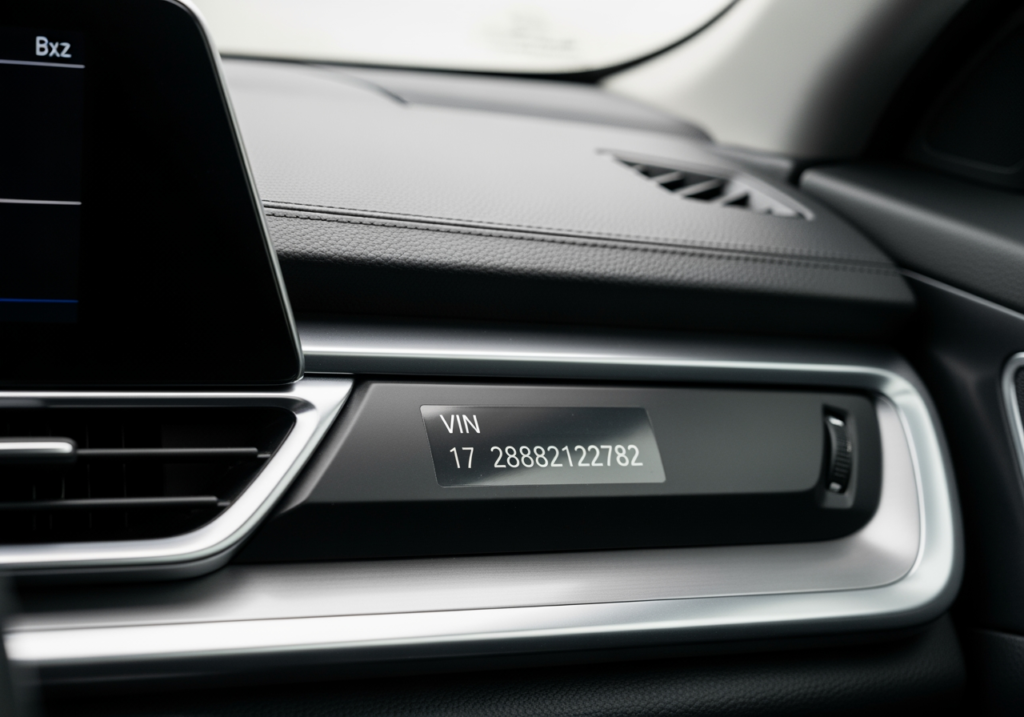
- VIN Lookup: The Vehicle Identification Number (VIN) is your car’s unique fingerprint. Using a VIN lookup tool, you can automatically populate many of your car’s specific details, ensuring accuracy and saving time. This 17-character code reveals crucial information about your car’s manufacturing, engine type, and factory-installed features.
- Mileage: This is one of the most significant factors influencing depreciation. Higher mileage typically correlates with a lower value, as it suggests more wear and tear. KBB values are highly sensitive to mileage input, providing different estimates for varying odometer readings.
- Factory Options and Trim Level: The specific trim level (e.g., LX, EX, Touring) and factory-installed options (e.g., sunroof, navigation system, premium sound system, advanced safety features) can significantly impact a car’s value. These features often command a higher price in the used market.
- Regional Demand: As mentioned, KBB’s valuation models account for local market conditions. A popular truck model might fetch a higher price in a rural area known for farming or construction, while a fuel-efficient compact car might be more in demand in a dense urban environment.
- Depreciation Curves: All vehicles depreciate, but the rate varies widely. KBB’s models analyze historical data to understand the typical depreciation curve for different makes and models, factoring in age and mileage to project current value accurately.
When you use the Kelley Blue Book ‘My Car’s Value’ tool, you’ll typically follow a clear, step-by-step process:
- Start with your ZIP Code: This immediately begins the localization process for your valuation.
- Enter Year, Make, Model: This sets the foundation for your vehicle’s identity.
- Specify Trim Level and Engine: Refine the model further by selecting the exact configuration.
- Input Mileage: Provide your current odometer reading for a precise estimate.
- Select Factory Options: Choose all relevant factory-installed features from a comprehensive list.
- Assess Condition: This is a critical step, which we will delve into further, where you honestly evaluate your car’s physical and mechanical state.
By meticulously gathering these details, KBB’s algorithms can cross-reference your specific vehicle against its vast database of transaction data, market trends, and regional demand to generate a highly accurate valuation.
Primary Valuation Factors:
- Age: Older cars generally have lower values due to depreciation.
- Mileage: Higher mileage indicates more use and typically reduces value.
- Condition: The overall physical and mechanical state of the vehicle is paramount.
- Location: Regional demand and economic factors influence local pricing.
- Options & Features: Factory-installed upgrades and trim levels add value.
- Accident History: Major accidents or structural damage can significantly decrease value.
- Maintenance History: Well-documented service records can positively impact value.
How do I ensure reliable car buying when looking at used values?
Ensuring reliable car buying, especially when looking at used values, hinges on leveraging the comprehensive data provided by tools like Kelley Blue Book. KBB doesn’t just offer a single “value”; it provides a range of figures designed to empower both buyers and sellers.
The Fair Market Range and Fair Purchase Price are two pivotal metrics that provide exceptional clarity. The Fair Market Range represents the typical selling price range for a specific vehicle in your local market, based on recent transactions. It accounts for all the variables we discussed – age, mileage, condition, options, and regional demand. The Fair Purchase Price is a more precise estimate within that range, representing what consumers are typically paying for a used car from a dealer, after accounting for all factors. This isn’t an arbitrary number; it’s derived from sophisticated transaction analysis, reflecting actual market behavior rather than theoretical pricing.
These figures are crucial because they move beyond the traditional MSRP (Manufacturer’s Suggested Retail Price) or dealer invoice price, which are often irrelevant in the used car market. Instead, they focus on what the market is actually bearing. This localized data, constantly updated, ensures that the pricing accuracy is maintained, even as market conditions shift.
Understanding the distinction between wholesale and retail values is also vital for reliable car buying. When a dealer acquires a car, whether through trade-in or auction, they pay a wholesale price. This price is lower because it needs to account for their costs of reconditioning, marketing, sales commissions, and profit margin. The retail price, which you see on the lot, includes these markups. KBB’s values help you understand where your potential purchase sits within this spectrum, guiding you toward a fair retail price that still allows the dealership to operate profitably.
By focusing on these data-driven metrics, you can approach any used car purchase with confidence, knowing you have a robust, third-party assessment of its true market value. This transparency is a cornerstone of reliable car buying in today’s evolved automotive landscape.
Navigating Trade-In Values vs. Private Party Sales
When it comes time to part ways with your current vehicle, one of the biggest decisions you’ll face is whether to trade it in at a dealership or sell it yourself through a private party sale. Kelley Blue Book provides distinct valuation types to help you make this informed choice: Trade-in Value and Private Party Value.
The Trade-in Value represents the amount you can expect to receive when you trade your vehicle in at a dealership. KBB typically provides a Trade-in Range, acknowledging that the exact offer can vary slightly between dealerships and depend on their current inventory needs. This value is generally lower than the Private Party Value for several reasons. When a dealership takes your car as a trade-in, they incur costs for reconditioning (cleaning, repairs, maintenance to get it ready for resale), marketing, and the overhead associated with keeping it on their lot. They also need to build in a profit margin for their business operations. The convenience of trading in – avoiding the hassle of advertising, showing the car, and handling paperwork – is essentially “paid for” by this difference in value.
Conversely, the Private Party Value is the amount you can expect to sell your car for to an individual buyer. This value is typically higher than the Trade-in Value because you, as the seller, are taking on the responsibilities and costs that a dealership would otherwise handle. This includes advertising the vehicle, fielding inquiries, arranging test drives, negotiating the price, and managing the transfer of title and other paperwork. While you stand to gain more financially, it requires a significant investment of your time, effort, and comes with potential liabilities. For example, if the buyer discovers an issue after the sale, you might face complications.
Table: Comparing Valuation Types
Feature Trade-in Value Private Party Value Instant Cash Offer Recipient Dealership Individual Buyer Participating Dealership Typical Value Lower (accounts for dealer costs/profit) Higher (you absorb marketing/reconditioning efforts) Specific, fixed offer (often competitive with trade-in) Effort Required Minimal (convenient, quick transaction) High (advertising, showing, negotiating, paperwork) Minimal (quick, no-haggle offer) Speed Immediate (part of new car purchase) Can be slow (depends on market demand) Very fast (can sell same day) Liability Low (dealer takes responsibility) Higher (potential for post-sale issues) Low (dealer takes responsibility) Negotiation Part of overall deal (trade-in + new car price) Direct negotiation with buyer Fixed offer, typically non-negotiable Benefits for Trading In at a Dealership:
- Convenience: A single, streamlined transaction when purchasing a new vehicle.
- Tax Savings: In many states, you only pay sales tax on the difference between the new car price and your trade-in value, potentially saving you hundreds or thousands of dollars.
- No Hassle: Avoid the time and effort of private selling (advertising, showing, test drives, paperwork).
- Safety: No need to meet strangers or invite them to your home.
- No Liability: Once traded, the car is the dealer’s responsibility.
The choice between trading in and selling privately comes down to your priorities: do you value convenience and tax benefits, or are you willing to invest time and effort for a potentially higher return? KBB’s distinct values provide the clarity needed to weigh these options effectively.
How does the Instant Cash Offer facilitate reliable car buying?
The Kelley Blue Book Instant Cash Offer represents a significant innovation in simplifying the car selling process, directly facilitating reliable car buying by providing immediate, transparent value. It differs from standard Trade-in Range estimates in a crucial way: it’s a specific, fixed offer for your vehicle, rather than an estimated range.
Here’s how it works and why it’s so valuable: You input your vehicle’s specific details – year, make, model, mileage, options, and, critically, its condition – into the KBB tool. Based on this information, and factoring in local market demand, KBB generates an Instant Cash Offer. This offer is a firm price that participating dealerships are willing to pay for your car.
A key feature of the Instant Cash Offer is its validity period. The Kelley Blue Book Instant Cash Offer is valid for 7 days (not counting Sundays). This gives you a clear window to take your vehicle to a participating dealership, have them verify its condition, and receive the guaranteed amount. This eliminates the uncertainty often associated with traditional trade-ins, where the final offer might only be revealed after lengthy negotiations.
The Instant Cash Offer is based on specific vehicle details, ensuring that the offer is tailored precisely to your car’s unique attributes. This includes not just the basics, but also specific options, its overall condition, and the current local market demand for that particular make and model. This level of detail ensures transaction transparency, as you know exactly what you’re being offered and why.
For car buyers, this means you can confidently know the value of your trade-in before you even step foot on a dealership lot. This empowers you to negotiate your new car purchase with a clear understanding of your budget and leverage. For sellers, it provides a quick, no-haggle way to sell your car, often on the same day, without the complexities of a private sale. It’s a bridge between the convenience of a trade-in and the potential value of a private sale, making the entire car transaction process more reliable and straightforward.
Maximizing Value Through Accurate Condition Assessment
One of the most critical steps in obtaining an accurate Kelley Blue Book value for your car is an honest and thorough assessment of its condition. This is where many people tend to overestimate, leading to discrepancies between their expected value and a dealer’s or buyer’s offer. KBB’s Condition Quiz is designed to guide you through this process, ensuring you provide realistic information.
It’s a common misconception that most cars are in “Excellent” condition. In reality, only about 3% of vehicles in the market are truly considered ‘Excellent’ condition. These are cars that are practically flawless, both mechanically and cosmetically, often with very low mileage for their age, and a complete service history. Most cars, even well-maintained ones, will fall into the ‘Good’ condition category.
Here’s a breakdown of what to consider when assessing your car’s condition:
- Mechanical Integrity: Does the engine run smoothly? Are there any warning lights on the dashboard? Are the brakes, suspension, and steering in good working order? Any significant mechanical issues will drastically reduce value.
- Cosmetic Wear and Tear: Inspect the exterior for dents, scratches, rust, and paint chips. Check the interior for tears in upholstery, stains on carpets, dashboard cracks, or excessive wear on controls. The condition of tires (tread depth) and wheels (curb rash) also plays a role.
- Maintenance Records: A complete and verifiable service history can add value, as it demonstrates responsible ownership and proactive maintenance.
- Broken Equipment Deductions: If your car has optional equipment, such as air conditioning, but it’s broken, you should factor this into the condition assessment. KBB advises that if an option is present but non-functional, you should deduct the cost of repairing it from the car’s overall value. For instance, if you check the box for AC, but it’s broken, the valuation assumes it’s functional. An honest assessment means accounting for such repairs.
Being objective about your car’s condition is paramount. It’s easy to overlook minor flaws in a vehicle you’ve owned for years, but a buyer or dealer will notice them. A professional vehicle inspection can provide an unbiased assessment, helping you accurately determine where your car truly stands on the condition spectrum.
Special Circumstances in Vehicle Appraisal
While KBB provides robust valuations for most standard vehicles, certain special circumstances can significantly impact a car’s value or even limit KBB’s ability to provide an estimate. Understanding these exceptions is crucial for a complete picture of your car’s worth.
- Salvage Titles: A salvage title indicates that a vehicle has been declared a total loss by an insurance company due to damage (e.g., collision, flood, fire, theft) and the cost of repair exceeded a certain percentage of its value. Even if repaired, a salvage title permanently affects a car’s marketability and value. Salvage title vehicles typically have a 20% to 40% deduction from the standard Blue Book Value. This is because they carry a higher risk perception, can be harder to insure, and may have underlying issues not immediately apparent.
- Aftermarket Equipment: Kelley Blue Book primarily values factory-installed equipment. While you might have invested significantly in aftermarket wheels, a custom sound system, or performance upgrades, KBB generally does not value aftermarket equipment. The reason is that their market value is highly inconsistent and often subjective; what one buyer considers an enhancement, another might see as a modification that needs to be undone. Only factory-installed or factory-quality items are typically factored into KBB’s standard valuations.
- Gray Market Vehicles: These are vehicles that were not originally manufactured for sale in the U.S. market but have been imported and modified to meet U.S. safety and emissions standards. Because they are not standard U.S. models, lack consistent transaction data, and often have complex histories, KBB typically cannot provide accurate valuations for them.
- Exotic Models and Very New Models: For very low-volume exotic cars (e.g., certain Lotus, Ferrari, Bentley models), KBB may not list trade-in values. This is due to the rarity of transactions and the wide variation in value based on specific provenance, customization, and collector demand. Similarly, for very new models that have only recently hit the market, there might not be sufficient transaction data to establish a reliable used value immediately. KBB generally waits until there’s enough market activity to provide accurate used car values.
- Vehicles Over 21 Years Old: Kelley Blue Book provides values for used vehicles up to 21 years old, based on analysis of actual market transactions. For vehicles older than this, the market becomes much more specialized, often entering the classic or collector car realm. Values for these vehicles are highly dependent on factors like originality, rarity, restoration quality, and specific collector demand, which fall outside KBB’s standard transactional data models. For cars older than 21 years, you might need to consult classic car appraisers or specialized auction results.
- Insurance Total Loss Claims: If your car is totaled, insurance companies often use a combination of valuation methods to determine its Actual Cash Value (ACV). KBB values, particularly the Trade-in Range or an average of Trade-in and Private Party values, can serve as a strong reference point in these negotiations. It’s advisable to present your own KBB valuation to your insurer to ensure you receive a fair settlement.
Understanding these special circumstances ensures that you approach your car’s valuation with realistic expectations, whether you’re selling, buying, or dealing with an insurance claim.
Frequently Asked Questions about Reliable Car Buying
In the journey of car ownership, many questions arise about valuation, selling, and purchasing. Here, we address some of the most common inquiries to further empower you in making reliable car buying and selling decisions.
How do I accurately determine my car’s condition for valuation?
Accurately determining your car’s condition is paramount for an honest and reliable valuation. We recommend a systematic approach:
- Be Objective: Step back and view your car as a potential buyer would. Forget sentimental value.
- Exterior Inspection: Look for dents, scratches, chips, rust, and paint fading. Check the condition of the tires (tread depth, sidewall cracks) and wheels (curb rash, corrosion).
- Interior Inspection: Examine upholstery for tears, stains, or excessive wear. Check carpets, headliner, dashboard for cracks or fading. Test all electronic components – windows, locks, radio, climate control, navigation, etc.
- Mechanical Assessment: Listen for unusual noises from the engine, transmission, or brakes. Check for fluid leaks. Ensure all lights, wipers, and horn function correctly. If you have any doubts, a pre-purchase inspection by a trusted mechanic can provide an unbiased report.
- Documentation: Gather all maintenance records. A complete service history adds credibility to your assessment of the car’s mechanical health.
- Use KBB’s Condition Quiz: KBB provides a detailed quiz that walks you through various aspects of your car’s condition, from mechanical soundness to cosmetic appearance. Be honest in your answers. Only about 3% of cars are truly “Excellent”; most well-maintained vehicles fall into “Good” condition. If an optional feature is present but broken (e.g., air conditioning), you should account for the repair cost in your mental valuation, as KBB’s tool will assume it’s functional if you select it.
What is the difference between Trade-in Value and Private Party Value?
The core difference lies in the transaction type and the associated costs and efforts:
- Trade-in Value: This is the amount a dealership is willing to pay for your vehicle when you trade it in towards the purchase of another car from them. It is generally lower than the Private Party Value because the dealership incurs costs for reconditioning (repairs, detailing), marketing, and needs to build in a profit margin. The convenience of a quick, single transaction is a key benefit, often coupled with potential sales tax savings. KBB provides a “Trade-in Range” to reflect slight variations across dealerships.
- Private Party Value: This is the amount you can expect to sell your car for to an individual buyer. It is typically higher than the Trade-in Value because you, the seller, are taking on all the responsibilities and costs a dealership would: advertising, showing the car, negotiating, and handling paperwork. While it offers the potential for a higher selling price, it demands more time, effort, and comes with increased personal liability.
The Kelley Blue Book Instant Cash Offer is a hybrid, providing a fixed, guaranteed offer from a participating dealer, blending the convenience of a trade-in with a more competitive valuation.
Are modern car valuation tools accurate and how are they calculated?
Yes, modern car valuation tools, particularly those from established sources like Kelley Blue Book, are highly accurate and are calculated using sophisticated, data-driven methodologies. Their accuracy stems from several key factors:
- Massive Transaction Data: KBB analyzes hundreds of thousands of actual vehicle transactions each week. This includes wholesale (dealer auctions, trade-ins) and retail (dealership sales, private party sales) data.
- Proprietary Algorithms: These algorithms process the raw transaction data, filtering out anomalies and identifying trends. They factor in over 90 years of industry experience and continuously evolve to reflect market dynamics.
- Localized Adjustments: Values are not national averages. KBB adjusts pricing for over 120 distinct geographic regions in the U.S., accounting for local supply and demand, economic conditions, and even regional preferences.
- Dynamic Updates: Pricing data is updated at least weekly, ensuring that values reflect the most current market conditions, seasonal fluctuations, and recent depreciation trends.
- Comprehensive Vehicle Specifics: Calculations incorporate every detail you provide: year, make, model, trim, engine, mileage, factory options, and, crucially, the assessed condition. A VIN lookup further refines this by pulling exact factory specifications.
The result is not an arbitrary estimate but a data-backed reflection of what buyers and sellers are actually exchanging vehicles for in the current market. This scientific approach to valuation provides unparalleled transparency and reliability, empowering consumers to make informed decisions.
Conclusion
The evolution of the car buying experience in our local communities has been nothing short of transformative. Gone are the days of opaque pricing and guesswork; in their place, we now have unprecedented access to data-driven insights that empower us to make informed decisions. Tools like Kelley Blue Book have been at the forefront of this revolution, building on a legacy of trust and accuracy since 1926.
We have explored how KBB leverages massive transaction data, localized pricing for over 120 geographic regions, and weekly updates to provide values that truly reflect market realities. Understanding the mechanics of valuation, from VIN specifics to factory options and depreciation curves, allows us to appreciate the precision behind these figures. We’ve also navigated the strategic choices between trade-in values, private party sales, and the convenient Instant Cash Offer, recognizing that each path offers distinct advantages depending on our priorities. Finally, the importance of an honest condition assessment and awareness of special circumstances like salvage titles or aftermarket equipment cannot be overstated in maximizing your car’s true worth.
By embracing this new era of market transparency, consumers in our local communities are better equipped than ever to negotiate confidently, whether buying, selling, or trading. This shift fosters greater consumer trust and lays the groundwork for a more equitable and efficient automotive retail future. The power of data-driven negotiation is now firmly in your hands.
