


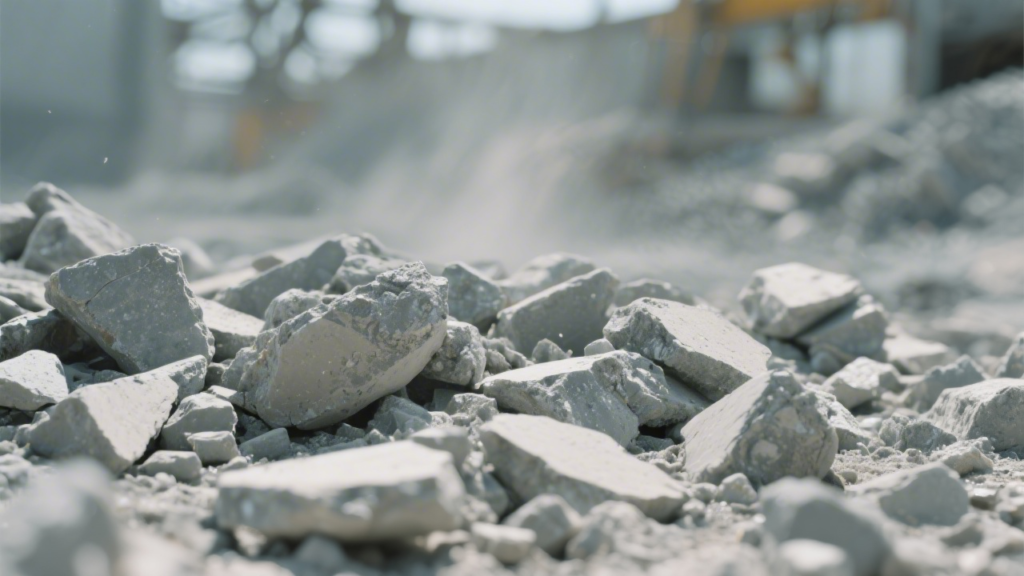
The demolition industry has always been closely tied to construction, urban development, and infrastructure renewal. But in recent years, a major shift has begun to reshape how demolition contractors approach their work. Across many regions, construction waste disposal costs are rising rapidly. Landfill fees, transportation expenses, environmental regulations, and fuel prices are all contributing to higher operating costs. As a result, demolition companies are rethinking how they handle debris and waste materials. Instead of sending everything to disposal facilities, many contractors are adopting new strategies, including recycling and on-site processing with equipment such as a portable rock crusher, to reduce expenses and improve efficiency.
This change is transforming demolition from a waste-removal industry into a resource-recovery industry.
Why Disposal Costs Are Rising
Several factors are driving the increase in construction waste disposal costs. Landfills across many regions are reaching capacity, which has forced municipalities to raise tipping fees to manage demand. At the same time, environmental regulations are becoming stricter, requiring more careful handling and sorting of construction debris.
Transportation costs are also increasing. Demolition projects often generate hundreds or even thousands of tons of concrete, asphalt, brick, and other materials. Hauling these materials to disposal sites requires trucks, drivers, fuel, and time. The farther the landfill or recycling facility is from the jobsite, the more expensive the process becomes.
For demolition contractors, these rising costs can quickly reduce profit margins if waste management strategies remain unchanged.
The Shift Toward Recycling
Because of these challenges, many contractors are moving toward demolition waste recycling solutions that allow them to reuse materials rather than discard them.
Concrete, asphalt, and natural stone are among the most common materials found in demolition debris. Instead of treating these materials as waste, they can be processed into valuable aggregates that can be reused in construction projects.
Crushed concrete can serve as road base, drainage material, or structural fill. Recycled asphalt can be reused in pavement layers. Brick and stone can also be repurposed for various building applications.
By adopting construction debris recycling equipment, demolition companies can turn materials that once generated disposal costs into resources that create value.
The Role of On-Site Crushing
One of the most effective ways contractors are addressing rising disposal costs is through on-site concrete crushing equipment. Instead of transporting debris to a distant recycling facility, contractors can process materials directly at the jobsite.
This method significantly reduces transportation expenses while accelerating project timelines. Concrete and asphalt from demolished structures can be crushed immediately and reused in the same project or nearby construction work.
Using mobile rock crusher for demolition operations allows contractors to handle large volumes of material without relying on outside facilities.
On-site crushing also helps demolition companies maintain greater control over their material flow. Instead of waiting for trucks or recycling yard schedules, contractors can process materials whenever it is most convenient for the project.
Reducing Transportation Costs
Transportation is often one of the largest hidden expenses in demolition projects. Every truckload of debris hauled away from a site adds fuel costs, driver wages, vehicle wear, and scheduling complexity.
By investing in construction debris recycling equipment, contractors can dramatically reduce the number of truck trips required to manage demolition waste.
For example, a demolition project that generates hundreds of tons of concrete might normally require dozens of truck trips to a recycling facility. With on-site processing, most of that material can be crushed and reused without ever leaving the jobsite.
This not only lowers expenses but also reduces congestion around construction zones and improves overall project efficiency.
Environmental Pressure and Sustainability
Environmental concerns are another major factor influencing how demolition waste is handled. Governments and developers are increasingly demanding sustainable construction practices that reduce landfill usage and minimize environmental impact.
Recycling construction materials helps achieve these goals. By adopting demolition waste recycling solutions, contractors can divert large amounts of debris from landfills while reducing the need for newly mined aggregate.
Using recycled materials also lowers the carbon footprint associated with transporting raw materials to construction sites.
These environmental benefits are becoming important considerations when contractors compete for projects, particularly those involving public infrastructure or environmentally conscious developers.
Profit Opportunities Through Recycling
The shift toward recycling is not just about reducing costs – it also creates new revenue opportunities.
Crushed concrete and recycled aggregate are valuable construction materials that can be sold or reused in future projects. Contractors who invest in mobile rock crusher for demolition work can generate additional income by producing aggregates that would otherwise be purchased from external suppliers.
Instead of paying landfill fees to dispose of materials, demolition companies can transform those materials into products with real market value.
This shift from disposal to production is one of the most significant changes occurring in the demolition industry today.
Improving Project Efficiency
Demolition projects are often complex operations involving tight schedules, heavy machinery, and coordination with construction teams that will begin work after demolition is complete.
Efficient waste management is critical to maintaining project timelines. Delays in debris removal can slow down subsequent phases of construction.
By using on-site concrete crushing equipment, contractors can keep materials moving through the demolition process without interruption. Concrete and asphalt can be processed immediately, clearing space on the jobsite and allowing crews to continue working.
This improved workflow helps contractors complete projects faster while reducing logistical complications.
A Competitive Advantage for Contractors
As construction waste disposal costs continue to rise, contractors who adopt efficient waste management strategies gain a significant competitive advantage.
Companies that rely solely on traditional disposal methods may struggle to maintain profitability as landfill fees and transportation costs increase. In contrast, contractors who implement demolition waste recycling solutions can lower operational expenses while improving their sustainability credentials.
The ability to process materials directly at the jobsite also provides greater flexibility when planning demolition projects. Contractors can adapt to changing project requirements without being limited by external recycling facility schedules.
The Future of Demolition Waste Management
The demolition industry is undergoing a major transformation driven by rising costs and environmental expectations. What was once considered waste is now increasingly recognized as a valuable resource.
Technologies such as construction debris recycling equipment and mobile rock crusher for demolition applications are enabling contractors to rethink how demolition materials are handled.
As more companies adopt on-site processing and recycling strategies, the industry will continue moving toward a more sustainable and cost-efficient model.
For demolition contractors looking to stay competitive, finding ways of reducing demolition waste disposal costs will remain a critical priority in the years ahead.
By turning demolition debris into reusable materials, companies can control costs, reduce environmental impact, and create new opportunities for growth in an evolving construction landscape.
