


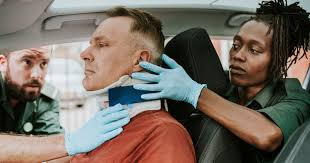
Recovering from a car accident is rarely a simple process. While some people heal within weeks, others face injuries that linger for months or even years. Lasting injuries can affect mobility, mental health, financial stability, and overall quality of life. Understanding how to navigate the physical, emotional, and legal challenges that follow a serious accident is essential for anyone trying to rebuild their life after trauma.
Recognizing the Long-Term Impact of Serious Injuries
Many injuries sustained in car accidents do not fully reveal their severity right away. Soft tissue damage, nerve injuries, and internal trauma can worsen over time, leading to chronic pain or limited mobility. Even fractures that appear to heal properly may cause long-term complications if they affect joints or weight-bearing areas. Some individuals experience cognitive changes or emotional distress long after the physical wounds have healed.
Recognizing the long-term impact of these injuries is the first step toward proper recovery. Medical professionals often recommend ongoing evaluations to track changes in symptoms and identify complications early. This approach helps ensure that treatment plans evolve as the patient’s needs change.
The Importance of Consistent Medical Care
Consistent medical care is essential for managing lasting injuries. Follow-up appointments, physical therapy, and specialist consultations help patients regain strength and prevent further complications. Skipping appointments or delaying treatment can worsen symptoms and prolong recovery.
In some cases, individuals require long-term rehabilitation or assistive devices to maintain independence. These needs can be costly, and insurance coverage may not always be sufficient. When injuries are severe, such as those involving permanent disability or limb loss, some people seek guidance from professionals like an amputation injury attorney to understand their options for securing financial support. Legal assistance can help ensure that long-term medical needs are accounted for when pursuing compensation.
Managing the Emotional and Psychological Effects
Lasting injuries often come with emotional challenges that are just as significant as the physical ones. Anxiety, depression, and post-traumatic stress can develop after a serious accident. These conditions may affect sleep, concentration, and the ability to return to normal routines.
Seeking support from mental health professionals can make a meaningful difference. Therapy, support groups, and stress‑management techniques help individuals process their experiences and regain a sense of control. Emotional recovery is not always linear, and acknowledging the psychological impact of an accident is an important part of healing.
Adjusting to Lifestyle Changes and Limitations
Long-term injuries often require adjustments to daily routines. Tasks that were once simple may become challenging, and some individuals must modify their homes, work environments, or transportation methods. These changes can be frustrating, especially when they affect independence or career goals.
Developing new habits and finding adaptive solutions can help ease the transition. Occupational therapists often assist patients in learning how to perform tasks safely and efficiently despite physical limitations. Support from family, friends, and community resources also plays a vital role in helping individuals adapt to their new circumstances.
Understanding Your Rights and Seeking Support
When injuries from a car accident have lasting consequences, understanding your rights becomes essential. Medical bills, lost income, and long-term care needs can create significant financial strain. Many people are unaware of the compensation they may be entitled to, especially when another party’s negligence contributed to the accident.
Consulting with a legal professional can help clarify available options and ensure that long-term needs are considered when pursuing a claim. Proper documentation, including medical records and evidence of ongoing limitations, strengthens the case and helps secure the support necessary for recovery. Taking action early can prevent delays and protect your ability to seek compensation.
Conclusion
Handling lasting injuries from a car accident requires patience, persistence, and a willingness to seek help when needed. From ongoing medical care and emotional support to lifestyle adjustments and legal guidance, each step plays a role in rebuilding stability and well‑being. While the road to recovery may be long, understanding the challenges and taking proactive steps can make the journey more manageable and lead to a stronger, healthier future.
