


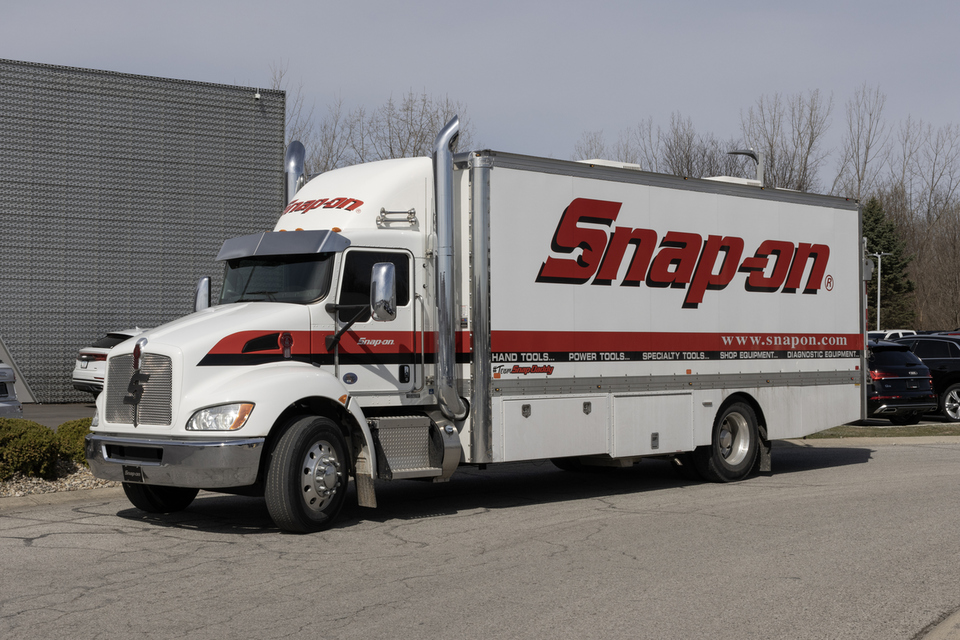
A tool truck is more than just a vehicle. It serves as a mobile workspace, storage solution, and business asset all in one. Whether you operate as a mobile mechanic, contractor, technician, or service professional, choosing the right truck can significantly impact productivity and organization.
Many professionals begin their search online, exploring platforms such as tool trucks for sale However, browsing listings is only the first step. To make a confident decision, you must understand what makes a tool truck suitable for your specific line of work. This guide explains the essential factors to consider, from size and layout to cost and long-term maintenance.
Understanding Your Business Requirements
Before evaluating specific vehicles, clarify your operational needs. Every trade requires a different configuration. A mobile mechanic, for example, needs organized drawer systems and secure tool storage, while an HVAC technician may require shelving for parts and equipment.
Ask yourself:
- How many tools do I carry daily?
- Do I need space for large equipment?
- Will I serve urban areas, rural locations, or both?
- Do I require refrigeration or special compartments?
By answering these questions, you narrow your focus and avoid purchasing a truck that is either too small or unnecessarily oversized. A properly sized vehicle improves efficiency and reduces operating costs.
Choosing the Right Size and Configuration
Tool trucks come in various sizes, including vans, box trucks, and custom-built vehicles. The correct configuration depends on the scale of your operations and the type of services you provide.
Common Tool Truck Types
1. Cargo Vans
Cargo vans are compact and easier to maneuver in tight city streets. They work well for technicians who need moderate storage space without heavy equipment.
2. Box Trucks
Box trucks offer greater interior space and customizable layouts. They are ideal for professionals who need extensive shelving, drawers, and display areas.
3. Custom Tool Trucks
Some businesses invest in fully customized trucks designed around their workflow. While more expensive, they maximize space efficiency and brand organization.
Selecting the right size helps balance capacity with fuel efficiency and maintenance costs.
Interior Layout and Storage Solutions
The interior design of a tool truck determines how efficiently you can work. A poorly organized truck wastes time and creates frustration.
Key Interior Features to Consider
- Heavy-duty drawer systems
- Adjustable shelving
- Lockable compartments
- Anti-slip flooring
- Proper lighting
- Ventilation systems
A practical layout ensures quick access to tools and parts. Drawers should glide smoothly and support heavy loads. Shelves must remain stable even during travel. Adequate lighting is essential for early morning or evening service calls.
Think about workflow. Frequently used tools should remain within easy reach, while rarely used equipment can stay in upper compartments.
Evaluating Vehicle Condition
If you are purchasing a used tool truck, inspection becomes even more critical. The mechanical condition directly affects reliability and operating expenses.
Mechanical Checklist
- Engine performance
- Transmission function
- Brake system condition
- Suspension stability
- Tire wear
- Electrical systems
Request maintenance records whenever possible. A well-maintained vehicle often proves more valuable than a newer truck with a questionable history.
Additionally, inspect the interior build quality. Look for signs of rust, loose fittings, or worn-out drawer slides. These issues may require costly repairs after purchase.
Budgeting and Total Cost of Ownership
The purchase price is only part of the overall investment. Many buyers focus solely on the upfront cost and overlook ongoing expenses.
Consider These Financial Factors
- Insurance premiums
- Fuel consumption
- Routine maintenance
- Repair costs
- Registration and licensing
- Customization expenses
A cheaper truck may require higher maintenance over time, while a slightly more expensive model might deliver better reliability and lower long-term costs.
Create a realistic budget that accounts for both immediate and future expenses. This approach protects your cash flow and prevents financial strain.
New vs. Used Tool Trucks
Choosing between a new or used tool truck depends on your financial situation and business goals.
Advantages of Buying New
- Manufacturer warranty
- Latest safety features
- Minimal wear and tear
- Custom build options
Advantages of Buying Used
- Lower initial investment
- Slower depreciation
- Immediate availability
If your business is growing rapidly, a new vehicle might provide peace of mind and reliability. If you are starting out or expanding cautiously, a well-maintained used truck may offer excellent value.
Customization and Branding Considerations
A tool truck also represents your business image. While functionality comes first, appearance matters.
Professional branding improves credibility and makes your truck recognizable in the community. However, avoid overspending on cosmetic features before ensuring structural and mechanical reliability.
Practical Customization Ideas
- Branded exterior wraps
- Organized labeling systems
- Safety partitions
- Backup cameras
- Security systems
Security is especially important. Tool theft can cause major financial losses. Investing in strong locking mechanisms and alarm systems protects your equipment and your livelihood.
Fuel Efficiency and Environmental Impact
Fuel efficiency influences daily operating costs. Larger trucks consume more fuel, especially in urban environments with frequent stops.
When comparing vehicles, review:
- Engine type
- Mileage ratings
- Emission standards
- Idle time performance
Some professionals consider alternative fuel options or newer engine technologies to reduce environmental impact and long-term fuel expenses.
Balancing performance with efficiency ensures sustainable operations.
Legal and Compliance Factors
Different regions impose specific regulations on commercial vehicles. Make sure the truck meets local legal requirements, including weight limits, licensing, and safety standards.
Important Compliance Areas
- Commercial registration
- Emission compliance
- Safety inspections
- Load capacity limits
Failure to comply with regulations may lead to fines or operational disruptions. Always confirm that the vehicle meets current standards before finalizing a purchase.
Where to Search and Compare Options
The buying process becomes easier when you compare multiple options instead of settling for the first available vehicle. Online marketplaces, auctions, dealerships, and industry networks all provide opportunities.
When reviewing listings:
- Examine clear photos
- Read detailed descriptions
- Compare similar models
- Verify contact information
- Request additional documentation
Taking time to compare choices helps you identify fair pricing and avoid rushed decisions.
Planning for Long-Term Growth
A tool truck should not only meet your present needs but also support future expansion. If your workload increases, will the truck accommodate additional tools and inventory?
Choosing a slightly larger vehicle may prevent the need for another upgrade within a short period. However, avoid excessive size that adds unnecessary expenses.
Strategic planning ensures your investment remains useful as your business evolves.
Conclusion
Finding the right tool truck requires thoughtful evaluation of size, layout, condition, cost, and long-term value. It is not simply about purchasing a vehicle; it is about selecting a mobile workspace that supports efficiency and professionalism.
When researching options, many professionals explore tool trucks for sale Comparing multiple listings and carefully assessing each vehicle’s features allows you to make an informed decision. By balancing practicality with budget considerations, you can invest in a tool truck that enhances productivity and contributes to sustainable business growth.
Frequently Asked Questions
1. What size tool truck is best for a small service business?
The best size depends on your equipment volume and service type. Small businesses often benefit from cargo vans because they offer manageable storage and better fuel efficiency. However, if you carry heavy equipment or plan to expand soon, a slightly larger option may provide better flexibility.
2. Is buying a used tool truck risky?
Buying used can be a smart financial decision if you inspect the vehicle thoroughly. Check maintenance records, engine condition, and interior build quality. A well-maintained used truck can offer strong value and lower depreciation compared to a new vehicle.
3. How much should I budget beyond the purchase price?
In addition to the purchase price, account for insurance, fuel, registration, maintenance, and potential repairs. Custom shelving or branding may also add costs. Planning for total ownership expenses helps avoid financial surprises later.
4. What interior features improve efficiency the most?
Heavy-duty drawers, adjustable shelving, good lighting, and secure locking systems significantly improve workflow. Organized storage reduces time spent searching for tools and minimizes job delays, which enhances overall productivity.
5. How do I ensure my tool truck remains secure?
Install high-quality locks, consider alarm systems, and park in well-lit areas whenever possible. Regularly check security mechanisms and avoid leaving valuable tools visible. Strong security measures protect both your equipment and your business operations.
