


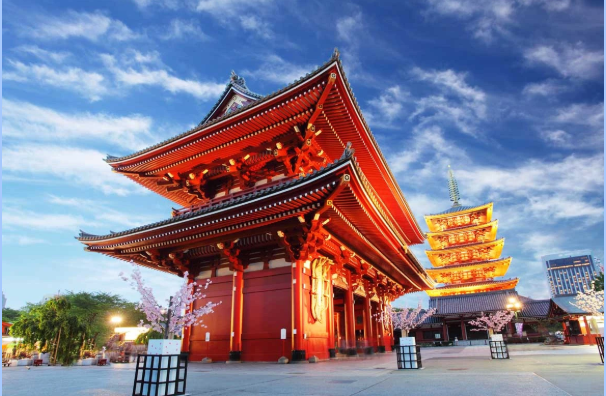
Japan is a country where ancient traditions blend beautifully with modern life. From serene tea rituals to vibrant festivals and historic districts, cultural experiences in Japan allow travellers to understand the country beyond its famous cities and technology. When planning your trip with the Best Japan Tour Packages, exploring these cultural traditions can make your journey far more meaningful and memorable.
Below are some of the most authentic cultural experiences every traveller should try while visiting Japan.
1. Participate in a Traditional Japanese Tea Ceremony
One of the most iconic cultural experiences in Japan is the traditional tea ceremony, known as Chado or Sado. This ritual involves the ceremonial preparation and serving of powdered green tea (matcha) in a calm and mindful environment. The ceremony reflects important Japanese values such as harmony, respect, purity, and tranquillity.
During the experience, guests sit on tatami mats while the host carefully prepares the tea using traditional utensils and techniques. The process is slow, graceful, and symbolic, emphasizing mindfulness and appreciation for simple moments.
Many travellers try tea ceremonies in Kyoto, Tokyo, and Kanazawa, where traditional tea houses still maintain centuries-old practices. It is not just about drinking tea but about experiencing Japanese philosophy and aesthetics.
2. Watch a Sumo Wrestling Match
Sumo wrestling is Japan’s national sport and an important part of its cultural heritage. Historically, sumo originated as a ritual performed to entertain Shinto gods and pray for good harvests.
Watching a live sumo tournament offers a fascinating glimpse into this ancient tradition. Before each match, wrestlers perform ceremonial rituals such as throwing salt in the ring to purify it. The matches themselves are usually very short but intense, often lasting only seconds.
Major tournaments are held in cities like Tokyo, Osaka, Nagoya, and Fukuoka throughout the year. For travellers, attending a sumo match is a thrilling cultural experience that highlights the discipline, strength, and ritualistic nature of Japanese sports traditions.
3. Explore the Geisha Culture in Kyoto
Kyoto is the cultural heart of Japan and home to famous geisha districts like Gion, where geisha and apprentice performers called maiko continue to preserve traditional Japanese arts.
These highly trained performers entertain guests through classical dance, music, conversation, and cultural performances. Districts like Gion developed historically as entertainment areas for visitors to nearby shrines and eventually became one of the most well-known geisha neighborhoods in Japan.
Travellers may catch glimpses of geisha walking through Kyoto’s lantern-lit streets or attend traditional performances such as spring dance festivals. Experiencing this elegant tradition provides insight into Japan’s refined artistic culture.
4. Relax in a Traditional Onsen (Hot Spring)
Japan is famous for its natural hot springs known as onsen. These geothermal baths are deeply rooted in Japanese culture and have been used for centuries for relaxation and healing.
An onsen experience typically involves bathing in mineral-rich hot water while enjoying scenic surroundings such as mountains, forests, or coastal views. Many onsens are located in traditional towns like Hakone, Beppu, and Kusatsu.
Visitors often combine this experience with a stay at a traditional ryokan inn, where they sleep on futons laid on tatami floors and enjoy multi-course Japanese meals known as kaiseki. This combination offers a peaceful escape from busy city life.
5. Experience Cherry Blossom Viewing (Hanami)
Spring in Japan brings one of the country’s most beloved traditions: hanami, or cherry blossom viewing. During this season, locals gather in parks to admire the blooming sakura trees while enjoying picnics with friends and family.
Hanami celebrations are held across Japan, especially in cities like Tokyo, Kyoto, and Osaka. Parks become lively gathering spots where people appreciate the fleeting beauty of cherry blossoms, symbolizing the Japanese appreciation for impermanence.
For travellers, witnessing cherry blossom season is one of the most memorable cultural experiences Japan offers.
6. Stay in a Traditional Ryokan
For a deeper cultural immersion, spending a night in a traditional Japanese inn called a ryokan is highly recommended. These inns reflect classic Japanese architecture and hospitality.
Guests stay in rooms with tatami flooring, sliding paper doors, and futon bedding. Meals are often elaborate multi-course dinners featuring seasonal ingredients and local cuisine.
Ryokan stays provide a slower and more traditional style of travel compared to modern hotels, allowing visitors to experience the essence of Japanese hospitality and lifestyle.
7. Attend a Japanese Festival (Matsuri)
Festivals, known as matsuri, are an essential part of Japanese culture and take place throughout the year. These events often celebrate historical traditions, religious rituals, or seasonal changes.
Visitors can enjoy colourful parades, traditional music, street food, and elaborate floats carried through city streets. Festivals such as the famous Kyoto dance performances like Miyako Odori showcase classical dance performed by geisha and maiko.
Attending a festival allows travellers to experience the vibrant community spirit and traditional customs that are still deeply valued in Japanese society.
Final Thoughts
Japan’s cultural heritage offers travellers a chance to experience traditions that have been preserved for centuries. Whether it is participating in a tea ceremony, watching sumo wrestling, exploring Kyoto’s geisha districts, or relaxing in an onsen, each experience reveals a unique aspect of Japanese life.
If you are planning your journey with the Best Japan Tour Packages, make sure these cultural activities are part of your itinerary. Working with a trusted Japan Travel Agency in Ahmedabad can also help you design a travel experience that combines sightseeing with authentic cultural immersion.
Exploring these traditions will not only enrich your trip but also help you truly understand the spirit and heritage of Japan.
