


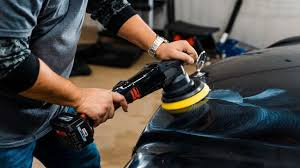
When it comes to vehicle painting, is it more logical to try to do it yourself? Or is it more prudent to leave it to the pros? Let’s look at the pros and cons of DIY vehicle painting and compare it to the results you’ll get by going to a reputable auto body repair shop.
The value of vehicle painting
There are many types of collision repair that are necessary and, often, urgent. If your brake pads are worn down, they need to be swapped out. If your windshield is smashed, you need a replacement. If your transmission stops working, you need a transmission repair. But not all vehicle problems are as concerning.
If your heated steering wheel stops working, you may not feel the need to rush off to an auto body repair shop (especially if it’s summer). If your automatic window won’t go down anymore, you probably won’t rush to have that repaired, either. And if you notice some chips, scrapes, or other blemishes on your vehicle’s paint? Well, you may not consider that to be an urgent auto body repair, either.
And that’s understandable, but you shouldn’t overlook scratches for very long. Any damage to your vehicle surface’s finish can lead to larger and more expensive problems down the proverbial and literal road. Scratches and peeling can allow moisture to get under the paint and corrode the panel. And, as we know, rust spreads, so oxidation can compromise vehicle panels and reduce their structural integrity.
All of this is to say, no, you don’t have to hurry to the auto body repair shop as soon as you notice damage to your car’s finish. But whether you want to attempt DIY vehicle painting or go to a professional collision repair business, you shouldn’t let those scratches sit for too long.
Benefits of DIY vehicle painting
The primary advantage of painting a vehicle yourself is the significant cost savings, as you eliminate the labor fees charged by professional auto body repair shops. Beyond the financial benefit, a DIY project offers complete control over the materials used, allowing you to choose specific paints and primers, and can be a highly rewarding and educational experience for automotive enthusiasts who want to develop a new skill.
Additionally, for minor repairs, tackling the job yourself allows you to avoid long wait times at busy collision repair shops, enabling you to address chips or small scratches immediately at your own pace and convenience.
When to choose the DIY approach
Taking the DIY route for vehicle painting is most appropriate when the primary goal is cost savings, the vehicle’s resale value is not a major concern, and/or the scope of work is limited.
For example, DIY vehicle painting can work great for:
- Small cosmetic repairs:
- Using touch-up pens or small spray cans to fix minor rock chips, door dings, or isolated scratches that only affect the top clear coat or base coat.
- Older or utility vehicles:
- Painting an old “beater” car, farm truck, or utility vehicle where the aesthetics and a perfectly smooth, showroom-quality finish aren’t exactly critical priorities.
- Non-visible components:
- Painting inner door jams, engine bays, or trunk interiors where precision color matching and a flawless finish are less important than the exterior panels.
- Experimentation and learning:
- When you’re approaching vehicle painting as a learning experience or hobby project, and you’re prepared to invest significant time and effort, accepting that the final result may have imperfections.
- Temporary or non-standard finishes:
- Applying a temporary or easily removable product that doesn’t require the same specialized equipment or dust-free environment as traditional auto paint.
Benefits of professional vehicle painting
The paramount benefit of hiring professionals for vehicle painting is the guarantee of a high-quality, durable, and aesthetically flawless finish. Professional auto body repair shops utilize highly specialized equipment including clean, temperature-controlled spray booths and advanced paint guns to achieve a deep, even, and consistent finish free of dust and uneven texture.
The expertise you get with professional vehicle painting includes perfect color matching to factory specifications and proper application of complex modern paint systems that are virtually impossible to replicate at home. And if you think automotive paint matching isn’t critical, you’re wrong (assuming you care even a little what the paint repair looks like.)
“Close enough” for color matching isn’t “good enough”. Even very close, but slightly different, hues will show up and make the paint repair look sloppy. Professional work, however, preserves or enhances the vehicle’s resale value and often comes with a warranty against defects like peeling or fading.
When to Choose the Professional Approach
Hiring a professional is the required course of action for vehicle painting when quality, durability, and maintaining the value of the vehicle are the primary concerns.
Visit a professional auto body repair shop for:
- Newer or high-value vehicles:
- Painting any vehicle that’s new, luxury, or high-performance, where a factory-perfect finish is necessary to maintain its market value and appeal.
- Collision repair:
- Any painting required after a major accident or body repair, as professionals can ensure the structural repairs and paint preparation meet safety and durability standards.
- Full exterior color changes:
- When undertaking a complete exterior color change, which requires meticulous disassembly, cleaning, and painting of all jambs, undersides, and exterior panels to look factory done.
- Complex painting jobs:
- When the vehicle uses a complex multi-stage finish that requires precision spraying and specific curing environments.
- Seeking warranty and speed:
- If you need the job completed quickly and reliably and require a warranty on the finish against defects like peeling, cracking, or premature fading.
Ultimately, DIY vehicle painting can be fun and help you learn new skills. But if the stakes are high or the job is complex, it’s wisest to leave auto painting to the professionals.
