


If the 2010s were about “cross-functional teams,” 2026 is about micro‑teams.
Three to seven people, owning a specific outcome end‑to‑end: a feature launch, a strategic account, a regional rollout, an incident response. They move fast, rely on each other heavily, and cannot afford to wait for the weekly status meeting.
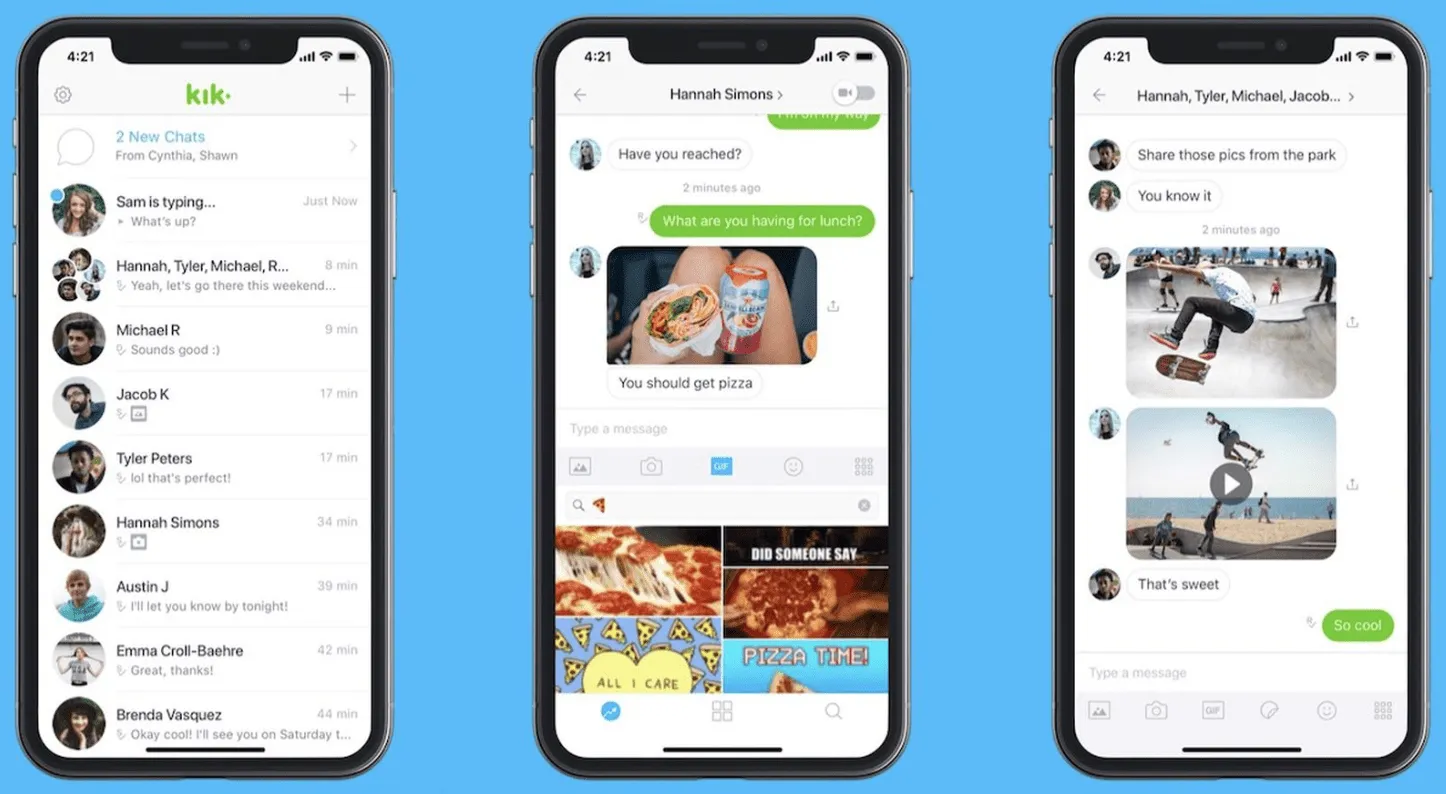
In this world, your Group Chat App is no longer a sidekick to email. It’s the operating layer where decisions are made, context lives, and momentum is either protected – or quietly destroyed.
To make smart decisions about chat, you need more than “stories.” You need hard realities: what’s changed, what it costs to get this wrong, and what a modern, secure setup actually looks like. And what follows doesn’t just chart those shifts; it shows what businesses gain when chat stops being a side tool and becomes core infrastructure. By the end, you’ll see how secure group chat protects momentum, clarity, and decision-making across every micro-team.
2026: Why Chat Is Now Core Infrastructure, Not a Toy
A few converging shifts explain why chat‑first work has become the default:
- Teams are shrinking. Many workplace reports highlight a move toward smaller execution pods with clear ownership. Fewer people per pod means faster decisions – if communication keeps up.
- Younger workers are chat‑native. Surveys consistently show Gen Z and younger millennials prefer messaging over email for internal communication. Long reply‑all threads feel like fax machines to them.
- AI is amplifying individuals. Copilots draft docs, summarize calls, and surface insights. Small teams can now handle work that once needed a full department – but only if they can coordinate cleanly.
- Meetings are being cut on purpose. Leaders are questioning every recurring meeting. Many companies report reducing routine check‑ins and pushing updates into written or chat‑based formats instead.
The pattern is clear: speed moved out of the conference room and into the chat window.
The question is whether your internal communication setup matches that reality – or fights it.
The Hidden Cost of Scattered Communication
When chat, email, documents, and tasks all live in separate worlds, micro‑teams pay a quiet but heavy tax.
Across organizations, a few patterns show up again and again:
- Knowledge workers routinely lose 5-8 hours per week to poor communication: searching for information, re‑asking questions, clarifying vague requests, or sitting in low‑value meetings.
- Managers report spending most of their week in a mix of email and meetings – leaving little time for actual problem‑solving.
- New hires take weeks longer to become productive because the “real” context lives in people’s heads and private inboxes.
Here’s how that looks on the ground:
A four‑person launch pod is responsible for shipping a new pricing page. Product notes are in one document, design feedback in a separate email chain, analytics requirements in a comment thread, and go‑to‑market ideas in a random chat channel.
Nobody has the full picture. Two people duplicate work. A key constraint (legal sign‑off) is discovered late, because it lived in an email that never made it into the group’s shared workspace.
That is pure operational drag. And it’s avoidable.
A well‑designed internal collaboration platform centered around secure group chat doesn’t just make work “feel smoother.” It directly reduces this waste.
What a Modern Group Chat App Must Actually Do
Not every messaging tool is ready to be the backbone of your digital workspace. To support micro‑teams, hybrid collaboration, and AI‑assisted workflows, a business‑grade Group Chat App needs to do four big jobs.
1. Centralize Context, Not Just Messages
It’s not enough to “talk faster.” Teams need to see the whole story of a topic in one place.
Look for:
- Channels or spaces organized by project, client, or squad
- The ability to attach or preview files, links, and key documents
- Easy pinning or bookmarking of decisions and reference material
The goal: when someone opens #feature-x-launch, they shouldn’t have to ask, “Where’s the brief?” or “Who decided this?” The channel itself should answer.
2. Support Real‑Time and Async Collaboration
High‑performing micro‑teams need both:
- Real‑time: swarm an incident, close a deal, unblock a deployment.
- Async: post updates, share context, and make non‑urgent decisions without forcing everyone onto a call.
Useful capabilities include:
- Threads to keep conversations on‑topic
- Reactions for quick alignment (“👍 to approve by EOD”)
- Clear timestamps and @mentions so ownership is obvious
This is especially critical in hybrid and remote work, where teammates may never share the same working hours.
3. Reduce, Not Increase, Communication Overload
Badly implemented chat becomes just another firehose.
You avoid that by combining tool features with intentional norms:
- Channel design that mirrors real workflows – not “one giant general room”
- Guidelines on @channel / @here usage and after‑hours expectations
- Encouraging short recap messages: “Summary of today’s discussion on X…”
Over time, this turns your chat history into a searchable knowledge base, not just a scrollback of noise.
4. Integrate With the Rest of Your Stack
A chat tool that doesn’t talk to anything else is just an upgraded walkie‑talkie.
Practical integrations include:
- Calendars for quick huddles and clear visibility of upcoming sessions
- File storage so the latest doc is always one click away
- Task or project tools so conversations connect to actual work items
Some platforms go beyond integrations and act as a true workflow hub. For example, Clariti brings emails, chats, files, calls, to‑dos, and calendar events into a single, context‑based “hybrid conversation.” Instead of micro‑teams stitching context from five different apps, they can see everything related to a project or client in one place – internal and external – and move faster with fewer mistakes.
Why the “Secure” in Secure Group Chat App Matters
It’s tempting to treat chat as casual. It isn’t.
On any normal week, your workplace messaging likely contains:
- Customer names, contracts, and account details
- Roadmaps, pricing discussions, and marketing strategy
- HR conversations, performance notes, and personal data
- Credentials, internal URLs, and architectural diagrams
That’s exactly the kind of information attackers love – and regulators care about.
If employees are using consumer messengers or unsanctioned tools (“shadow IT”), you have almost zero control over:
- Who has access to what, and for how long
- How long messages and files are retained
- What happens when someone leaves the company
A business‑grade solution should give you:
- Strong encryption and secure authentication
- Role‑based access, channel‑level permissions, and workspace controls
- Clear onboarding/offboarding flows tied to your identity provider
- Configurable retention and export policies, aligned with your industry
Think of it this way: would you be comfortable if an entire channel’s history appeared on the front page of the internet tomorrow? If not, treat chat security with the same seriousness as your CRM or HR system.
Implementation Playbook: Making Chat the Backbone (Without the Backlash)
Rolling out a Group Chat App is easy. Turning it into the backbone of internal collaboration – without overwhelming people – takes a bit more craft.
Here’s a simple, practical playbook.
1. Map 3-5 Critical Workflows
Start with reality, not theory.
Pick a few high‑value flows:
- Major incident response
- Feature or product launch
- Enterprise deal pursuit
- Customer escalation
For each, document:
- Who’s involved
- What tools they touch
- Where communication currently breaks down
This tells you what your chat environment must support.
2. Design a Channel Architecture That Mirrors Work
Resist the urge to create channels for everything all at once.
Instead:
- Create channels for those critical workflows and core teams
- Use naming conventions (#deal-…, #feature-…, #incident-…)
- Designate owners who can keep each space tidy and relevant
People shouldn’t have to guess, “Where does this update go?”
3. Set 5-7 Simple Norms (And Model Them)
You don’t need a 20‑page policy. You do need clarity.
Examples:
- “Status updates for X go in Y channel every Monday.”
- “We default to public channels; DMs for personal or sensitive topics only.”
- “No expectation of replies outside 9-5 local time unless marked urgent.”
- “Major decisions are summarized in a pinned message.”
Leaders should follow these norms religiously; otherwise, nobody else will.
4. Integrate and Automate the Obvious Things
Quick wins:
- Pipe key alerts (incidents, new deals, failed builds) into the right channels.
- Connect your calendar so ad‑hoc calls are easy but visible.
- Link tasks from your project tool back into discussion threads.
This is where chat stops being “where we talk about work” and starts becoming “where work actually flows.”
5. Measure and Iterate
Treat your Group Chat App like any other critical system.
Track simple metrics:
- Number and length of recurring meetings before vs. after
- Time from issue raised → issue resolved
- Onboarding time for new hires into a squad
- Employee feedback on clarity and communication load
Use what you learn to refine channel structure, norms, and integrations.
The Takeaway: Chat Is Where Velocity Lives
Micro‑teams, AI copilots, hybrid work, fewer meetings – these are not buzzwords. They’re the conditions under which your organization has to operate in 2026 and beyond.
In that environment, a secure, well‑designed Group Chat App is:
- Where decisions happen in real time
- Where context lives for people who join later
- Where small teams coordinate big outcomes without burning out
Get it wrong, and you’ll feel it as drag: duplicated work, missed handoffs, and endless “What’s the latest on this?” messages.
Get it right, and you build something much harder to copy than a feature: a company that can move quickly, coherently, and confidently – even when everything around it is changing.
