


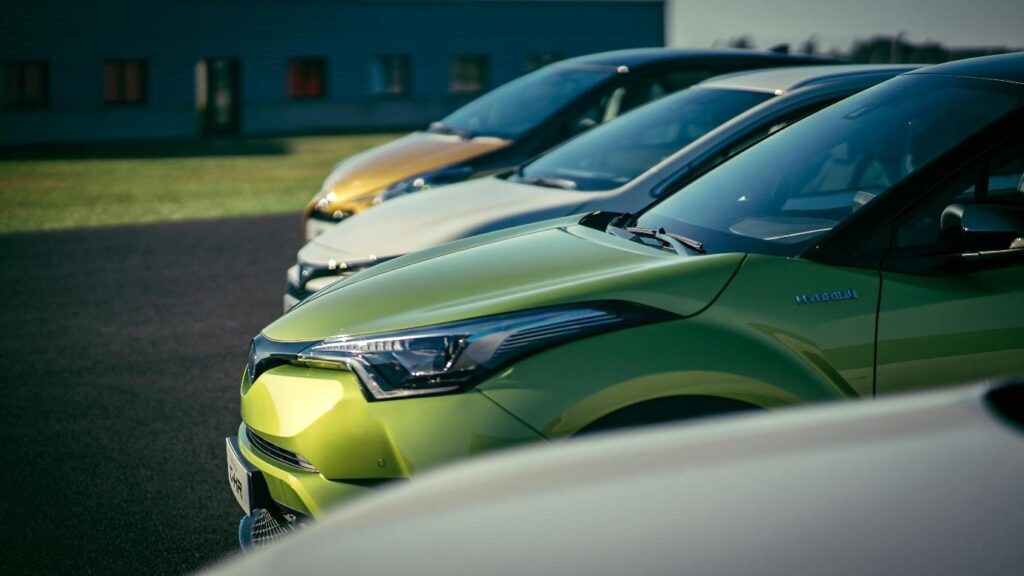
In this guest post by GarirBazar, we explore the battle between hybrid and petrol cars in Bangladesh. Discover which option is more efficient, eco-friendly, and ultimately, the best choice for you.
Overview of Bangladesh’s Automotive Market
The automotive market in Bangladesh has experienced significant growth over the past decade. This expansion is fuelled by an increasing middle-class population, rising incomes, and the government’s focus on infrastructure development. Consequently, more consumers are considering car ownership as a viable option, leading to a surge in demand for both new and used vehicles. Currently, the market is dominated by Japanese brands, with Toyota, Honda, and Nissan being the most popular choices among Bangladeshi consumers. These brands are known for their reliability, fuel efficiency, and affordability, making them ideal for the local market.
Despite the dominance of petrol cars, hybrid vehicles are gradually gaining traction. Hybrid cars, which use a combination of a petrol engine and an electric motor, offer better fuel efficiency and lower emissions compared to traditional petrol cars. This makes them an attractive option for environmentally conscious consumers. However, the adoption rate of hybrid cars in Bangladesh is still relatively low due to factors such as higher purchase costs, limited availability, and a lack of awareness about their benefits.
In recent years, the Bangladeshi government has taken steps to promote the use of hybrid and electric vehicles. This includes offering tax incentives and import duty reductions for hybrid cars, as well as investing in the development of charging infrastructure. These efforts are aimed at reducing the country’s dependence on fossil fuels and mitigating the environmental impact of the rapidly growing automotive sector. As a result, the automotive market in Bangladesh is poised for a shift towards more sustainable and eco-friendly transportation options in the coming years.
Environmental Impact: Hybrid vs. Petrol Cars
When it comes to the environmental impact, hybrid cars have a clear advantage over petrol cars. Hybrid vehicles emit significantly lower levels of greenhouse gases, such as carbon dioxide (CO2), compared to their petrol counterparts. This is primarily because hybrid cars rely on both a petrol engine and an electric motor, which work together to optimise fuel consumption and reduce emissions. In urban driving conditions, where stop-and-go traffic is common, hybrid cars can operate on electric power alone, further minimising their environmental footprint.
In contrast, petrol cars are solely powered by internal combustion engines, which burn fossil fuels and release harmful pollutants into the atmosphere. These emissions contribute to air pollution, global warming, and a host of health issues, including respiratory diseases and cardiovascular problems. Given the rapid urbanisation and population growth in Bangladesh, the environmental impact of petrol cars is becoming increasingly concerning. The country’s major cities, such as Dhaka and Chittagong, are already grappling with severe air pollution, and the widespread use of petrol cars only exacerbates the problem.
Moreover, the production and disposal of petrol cars have a significant environmental impact. The extraction, refining, and transportation of fossil fuels require substantial energy and resources, leading to habitat destruction, water pollution, and greenhouse gas emissions. Additionally, the end-of-life disposal of petrol cars generates a considerable amount of waste, including hazardous materials such as lead-acid batteries and engine fluids.
In contrast, hybrid cars, particularly those with advanced battery technologies, have a lower overall environmental impact throughout their lifecycle. While the production of hybrid batteries does involve the use of rare earth metals and other resources, the long-term benefits of reduced fuel consumption and emissions outweigh these initial environmental costs.
Fuel Efficiency Comparison
Fuel efficiency is a critical factor for many car buyers, especially in a country like Bangladesh, where fuel prices can be volatile and household incomes are often limited. In this regard, hybrid cars have a significant edge over petrol cars. Hybrid vehicles are designed to maximise fuel efficiency by combining the power of a petrol engine with an electric motor. The electric motor assists the petrol engine during acceleration and takes over entirely during low-speed driving and idling, which are common in congested urban areas. This allows hybrid cars to achieve higher miles per gallon (MPG) ratings compared to traditional petrol cars.
For instance, a typical hybrid car can achieve fuel efficiency levels of around 40-50 MPG, whereas a standard petrol car might only manage 25-30 MPG. This substantial difference in fuel efficiency translates to considerable savings on fuel costs over the lifetime of the vehicle. Given the high cost of fuel in Bangladesh, this can be a decisive factor for many consumers when choosing between hybrid and petrol cars. Moreover, the improved fuel efficiency of hybrid cars also means fewer trips to the gas station, which can be a significant convenience in a country where fuel stations may not always be readily accessible.
Additionally, hybrid cars employ regenerative braking systems that further enhance fuel efficiency. In a conventional petrol car, kinetic energy generated during braking is lost as heat. However, in a hybrid car, this energy is captured and converted into electrical energy, which is then stored in the battery for later use. This process not only improves fuel efficiency but also reduces wear and tear on the braking system, leading to lower maintenance costs. Overall, the superior fuel efficiency of hybrid cars makes them an attractive option for consumers looking to save on fuel costs and reduce their environmental impact.
Petrol vs. Hybrid Car Price in Bangladesh
While hybrid cars offer numerous benefits in terms of fuel efficiency and environmental impact, they generally come with a higher purchase price compared to petrol cars. The advanced technology and components used in hybrid vehicles, such as the electric motor and battery pack, contribute to their higher initial cost. In Bangladesh, where the average consumer is highly price-sensitive, this price difference can be a significant barrier to the widespread adoption of hybrid cars. However, it’s essential to consider the long-term cost implications when evaluating the overall affordability of hybrid versus petrol cars.
One of the key factors to consider is the potential savings on fuel costs. As discussed earlier, hybrid cars are significantly more fuel-efficient than petrol cars, which can lead to substantial savings on fuel expenses over the vehicle’s lifespan. Additionally, hybrid cars often qualify for government incentives and tax breaks, which can help offset the higher purchase price. In Bangladesh, the government has introduced various incentives to promote the adoption of hybrid and electric vehicles, including reduced import duties and tax exemptions. These incentives can make hybrid cars more financially accessible to a broader range of consumers.
Maintenance costs are another crucial aspect of the cost analysis. Hybrid cars typically require less frequent maintenance compared to petrol cars, primarily due to the reduced wear and tear on the engine and braking system. The electric motor and regenerative braking system in hybrid cars contribute to less strain on the internal combustion engine and traditional brake components, resulting in lower maintenance costs over time. However, it’s worth noting that hybrid cars do have some unique maintenance requirements, such as battery replacement, which can be expensive. Nevertheless, the overall maintenance costs for hybrid cars are generally lower than those for petrol cars, making them a more cost-effective option in the long run.
Government Regulations and Incentives
Government policies and incentives play a crucial role in shaping the automotive market and influencing consumer preferences. In Bangladesh, the government has recognised the need to promote sustainable and eco-friendly transportation options to address the growing environmental challenges and reduce the country’s dependence on fossil fuels. As a result, several measures have been introduced to encourage the adoption of hybrid and electric vehicles.
One of the primary incentives offered by the Bangladeshi government is the reduction of import duties on hybrid cars. Import duties on traditional petrol cars can be as high as 100-150%, making them relatively expensive for consumers. In contrast, hybrid cars benefit from significantly lower import duties, ranging from 30-60%, depending on the type and specifications of the vehicle. This reduction in import duties can make hybrid cars more affordable and accessible to a broader range of consumers, thereby promoting their adoption.
In addition to import duty reductions, the government has also introduced tax exemptions and rebates for hybrid and electric vehicles. These incentives are designed to further reduce the overall cost of ownership and encourage consumers to choose more environmentally friendly transportation options. Moreover, the government is investing in the development of charging infrastructure for electric and hybrid vehicles, which is essential for their widespread adoption. By providing the necessary infrastructure and financial incentives, the government aims to create a favourable environment for the growth of the hybrid and electric vehicle market in Bangladesh.
Furthermore, the government has implemented various environmental regulations to curb emissions and promote cleaner transportation options. These regulations include stricter emission standards for vehicles, which can drive consumers towards choosing hybrid cars that produce lower emissions compared to traditional petrol cars. By implementing these policies and incentives, the Bangladeshi government is taking significant steps towards promoting sustainable transportation and reducing the environmental impact of the automotive sector.
Consumer Preferences and Trends for Bangladesh Cars
Consumer preferences and trends in the automotive market are continuously evolving, influenced by factors such as economic conditions, technological advancements, and changing societal values. In Bangladesh, the growing awareness of environmental issues and the rising cost of fuel are driving a shift in consumer preferences towards more fuel-efficient and eco-friendly vehicles. As a result, hybrid cars are becoming increasingly popular among Bangladeshi consumers who are looking for sustainable transportation options without compromising on performance and convenience.
One of the key trends observed in the Bangladeshi automotive market is the increasing demand for compact and midsize hybrid cars. These vehicles offer a perfect balance of fuel efficiency, affordability, and practicality, making them ideal for urban driving conditions. Popular hybrid models such as the Toyota Prius, Honda Insight, and Nissan Note have gained a significant following among Bangladeshi consumers due to their reliability, advanced features, and impressive fuel efficiency. Additionally, the growing availability of hybrid cars in the used car market has made them more accessible to a wider range of consumers.
Another notable trend is the rising interest in electric vehicles (EVs), which are seen as the next step in sustainable transportation. While the adoption of EVs in Bangladesh is still in its early stages, the increasing availability of charging infrastructure and government incentives are expected to drive their growth in the coming years. Consumers who prioritise environmental sustainability and are willing to invest in cutting-edge technology are likely to gravitate towards EVs as a viable alternative to both petrol and hybrid cars.
Furthermore, the younger generation of car buyers in Bangladesh is more inclined towards adopting new technologies and embracing environmentally friendly practices. This demographic is more likely to consider hybrid and electric vehicles as their primary mode of transportation, driven by their awareness of climate change and the desire to reduce their carbon footprint. As consumer preferences continue to evolve, the demand for hybrid and electric vehicles is expected to grow, shaping the future of the automotive market in Bangladesh.
Performance and Driving Experience
When it comes to performance and driving experience, hybrid cars have made significant strides in recent years, offering a compelling alternative to traditional petrol cars. Modern hybrid vehicles are equipped with advanced technologies that deliver a smooth and responsive driving experience, without compromising on power and acceleration. The combination of a petrol engine and an electric motor provide ample torque and seamless power delivery, making hybrid cars enjoyable to drive in various driving conditions.
One of the key advantages of hybrid cars is their ability to operate in electric-only mode at low speeds, which is particularly beneficial in stop-and-go urban traffic. This feature not only enhances fuel efficiency but also provides a quiet and refined driving experience. The transition between the petrol engine and electric motor is typically seamless, thanks to sophisticated power management systems that ensure optimal performance. As a result, drivers can enjoy the benefits of both power sources without any noticeable interruptions.
In terms of handling and ride comfort, hybrid cars are designed to offer a balanced and comfortable driving experience. The placement of the battery pack, usually under the rear seats or in the trunk, helps lower the centre of gravity, improving stability and handling. Additionally, hybrid cars often come with advanced suspension systems that provide a smooth and controlled ride, even on rough and uneven road surfaces. This makes them well-suited for the diverse driving conditions encountered in Bangladesh, from congested city streets to rural roads.
While petrol cars have traditionally been favoured for their performance and driving dynamics, hybrid cars have closed the gap significantly. The advancements in hybrid technology have resulted in vehicles that offer comparable, if not superior, performance to petrol cars. With features such as regenerative braking, instant torque from the electric motor, and improved fuel efficiency, hybrid cars provide a compelling driving experience that appeals to a wide range of consumers. As hybrid technology continues to evolve, the performance and driving experience of hybrid cars are expected to improve further, making them an increasingly attractive option for Bangladeshi car buyers.
Future of Hybrid and Petrol Cars in Bangladesh
The future of the automotive market in Bangladesh is poised for significant transformation, driven by the growing demand for sustainable and eco-friendly transportation options. As the country continues to urbanise and its population grows, the need for efficient and environmentally friendly vehicles will become increasingly important. Hybrid cars are expected to play a crucial role in this transition, offering a viable solution to the challenges posed by traditional petrol cars.
One of the key factors that will influence the future of hybrid and petrol cars in Bangladesh is the government’s ongoing commitment to promoting sustainable transportation. The continued implementation of incentives, tax breaks, and regulations aimed at reducing emissions and encouraging the adoption of hybrid and electric vehicles will be critical in shaping the automotive market. Additionally, the development of charging infrastructure for electric and hybrid vehicles will be essential in supporting their widespread adoption. As infrastructure improves and becomes more accessible, consumers will be more inclined to choose hybrid and electric vehicles over traditional petrol cars.
Technological advancements will also play a significant role in the future of hybrid and petrol cars in Bangladesh. As hybrid technology continues to evolve, we can expect to see further improvements in fuel efficiency, performance, and affordability. Innovations such as more efficient battery technologies, enhanced power management systems, and lightweight materials will contribute to the development of next-generation hybrid vehicles that offer even greater benefits compared to their petrol counterparts. These advancements will make hybrid cars an increasingly attractive option for consumers looking for sustainable and cost-effective transportation solutions.
Moreover, changing consumer preferences and increasing environmental awareness will drive the demand for hybrid and electric vehicles. The younger generation of car buyers is more likely to prioritise sustainability and embrace new technologies. As this demographic continues to grow, the demand for hybrid and electric vehicles is expected to rise, further shaping the future of the automotive market in Bangladesh. In conclusion, the future of hybrid and petrol cars in Bangladesh looks promising, with hybrid vehicles set to play a pivotal role in the country’s transition towards sustainable and eco-friendly transportation.
Conclusion: Making the Right Choice
Choosing between hybrid and petrol cars in Bangladesh ultimately depends on various factors, including individual preferences, budget, and driving needs. Both types of vehicles have their unique advantages and disadvantages, and it’s essential to weigh these factors carefully before deciding.
Hybrid cars offer numerous benefits, including superior fuel efficiency, lower emissions, and a more environmentally friendly footprint. They are particularly well-suited for urban driving conditions, where stop-and-go traffic is common, and fuel efficiency is paramount. Additionally, the lower maintenance costs and government incentives associated with hybrid cars make them an attractive option for consumers looking to save on long-term expenses.
On the other hand, petrol cars have traditionally been favoured for their affordability, performance, and widespread availability. While they may not offer the same level of fuel efficiency and environmental benefits as hybrid cars, they remain a popular choice for many consumers due to their lower initial purchase price and familiarity. Petrol cars are also more readily available in the used car market, providing a wider range of options for budget-conscious buyers.
Ultimately, the decision between hybrid and petrol cars comes down to individual priorities and circumstances. For those who prioritise fuel efficiency, environmental sustainability, and long-term cost savings, hybrid cars are the clear winner. However, for consumers who value affordability, performance, and ease of access, petrol cars may still be the preferred choice. As the automotive market in Bangladesh continues to evolve, consumers can expect to see more options and advancements in both hybrid and petrol vehicles, making it easier to find the right car to meet their needs.
In conclusion, the battle between hybrid and petrol cars in Bangladesh is a complex one, with each type of vehicle offering distinct advantages. By carefully considering factors such as environmental impact, fuel efficiency, cost, and driving experience, consumers can make an informed decision that aligns with their values and requirements.
As Bangladesh moves towards a more sustainable future, hybrid cars are likely to play an increasingly important role in the automotive landscape, offering a viable and eco-friendly alternative to traditional petrol cars.
We hope enjoyed reading GarirBazar’s guest blog about the Bangladesh car sector. Please check out similar blogs in our news and articles page. We wish you all best in your journey to find the best car sales in Bangladesh.
