


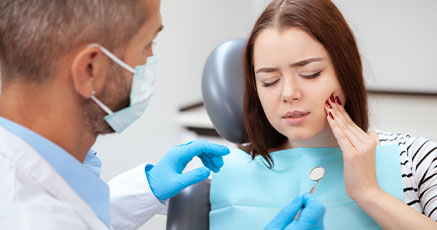
Understanding Dental Emergencies
What Constitutes a Dental Emergency
Dental emergencies can be confusing. You might wonder, “Is this serious enough to see an emergency dentist in Toronto?” Generally, any situation where you’re experiencing severe pain, bleeding, or have lost a tooth unexpectedly might be considered an emergency. If you’re unsure, it’s better to be safe and consult a dentist in Toronto.
Common Causes of Dental Emergencies
Here’s a quick rundown of what often leads to dental emergencies:
- Tooth Decay: Ignored cavities can suddenly become painful.
- Injury: Accidents while playing sports or even just biting down on something hard.
- Infections: These can escalate quickly if not treated.
Importance of Immediate Care
Ignoring a dental emergency can lead to more serious health issues down the road. Acting quickly not only alleviates pain but can also save your tooth. Emergency dentist Toronto are equipped to handle these situations promptly, ensuring your dental health doesn’t take a backseat. Don’t delay in seeking help when needed.
Toothaches and Severe Pain
Identifying the Source of Pain
Toothaches can hit you out of nowhere, and the pain can be downright unbearable. The first step is figuring out what’s causing that pain. Is it a cavity? Maybe a cracked tooth or something stuck between your teeth? Understanding the root cause is crucial because it helps you decide what to do next. If the pain is sharp and sudden, it might be a sign of something serious, like an infection. But if it’s a dull, persistent ache, it could be something less urgent but still needs attention.
Home Remedies Before Seeing a Dentist
Before you rush to the dentist, there are a few things you can try at home to ease the pain. Rinse your mouth with warm salt water to clean out any debris and reduce swelling. Over-the-counter pain relievers like ibuprofen can help, too. Try applying a cold compress to the outside of your cheek to numb the area and reduce inflammation. Remember, these are just temporary fixes. They won’t solve the problem, but they might make you more comfortable until you can see a dentist.
When to Contact a Dentist in Toronto
Sometimes, waiting isn’t an option. If your toothache is accompanied by fever, swelling in your face, or difficulty swallowing, it’s time to see a dentist right away. These symptoms could mean an infection, which can spread and cause more serious health issues. Even if the pain isn’t severe, if it lasts more than a couple of days, it’s a good idea to get it checked out. In Toronto, there are plenty of emergency dental services available, so don’t hesitate to reach out for help when you need it.
Chipped or Broken Teeth
Immediate Steps to Take
When you chip or break a tooth, acting quickly can make a big difference. Here’s what you should do:
- Rinse your mouth with warm water to clean the area.
- If there’s bleeding, apply gentle pressure with a piece of gauze or a clean cloth.
- To reduce swelling, place a cold compress on the outside of your mouth or cheek.
- Try to save any pieces of the tooth if possible.
Potential Complications of Ignoring Damage
Ignoring a chipped or broken tooth can lead to several issues:
- Increased pain as the inner layers of the tooth become exposed.
- Higher risk of infection, which could spread to other parts of your mouth or body.
- Potential for further damage to the tooth or surrounding teeth.
It’s easy to dismiss a small chip or crack, but even minor damage can have big consequences if left untreated.
Finding a Dentist in Toronto for Repairs
Looking for a dentist in Toronto to fix a chipped or broken tooth? Consider these tips:
- Check reviews online to find a reputable dentist.
- Ask friends or family for recommendations.
- Ensure the dentist offers emergency services, as quick treatment can prevent further complications.
Taking care of a chipped or broken tooth promptly can save you from more serious dental problems down the road. Don’t wait too long to seek professional help.
Knocked-Out Teeth
How to Preserve a Knocked-Out Tooth
Losing a tooth can be quite a shock, but quick action can sometimes save it. Here’s what you should do:
- Handle the tooth carefully. Pick it up by the crown, not the root, to avoid damaging any tissue.
- Rinse it gently. Use water to clean off dirt, but don’t scrub or use soap.
- Keep it moist. Place it in a container of milk or a tooth preservation product if available. If neither is handy, keep it in your mouth between the cheek and gums.
Emergency Dental Care Options
In Toronto, several clinics offer emergency dental services. If you’ve knocked out a tooth, contact a dentist immediately. Timing is critical, ideally within 30 minutes, to increase the chances of saving the tooth.
Long-Term Solutions for Tooth Loss
If a tooth can’t be saved, don’t worry. There are options like dental implants, bridges, or dentures. A dentist can help you decide what’s best based on your situation and budget.
Losing a tooth is unexpected, but knowing the steps to take can make a big difference. Stay calm and act fast to give your tooth the best chance of survival.
Lost Fillings or Crowns
Temporary Solutions at Home
Losing a filling or crown can be a real pain, literally and figuratively. But don’t panic just yet. Here are some quick fixes you can try at home until you see your dentist:
- Clean the area gently: Rinse your mouth with warm water to keep it clean. Avoid using anything sharp or hard.
- Temporary dental cement: Available at most drugstores, this can help protect the exposed tooth.
- Avoid sticky foods: Chewing gum or sticky candies can make things worse, so steer clear.
Risks of Delaying Treatment
Ignoring a lost filling or crown might seem tempting, especially if you’re busy or can’t see a dentist right away. However, it can lead to bigger problems like:
- Tooth decay: The exposed area is vulnerable to bacteria, leading to decay.
- Tooth sensitivity: Without the protective layer, hot and cold foods can cause discomfort.
- Infection: If left untreated, the risk of infection increases, which can be painful and require more intensive treatment.
It’s important to address these issues promptly to avoid more complex dental procedures down the line.
Locating a Dentist in Toronto for Restorations
If you’re in Toronto and need a quick fix for your lost filling or crown, here’s what you can do:
- Search online: Look for emergency dental services in your area. Many clinics offer same-day appointments.
- Ask for recommendations: Friends or family might know a reliable dentist.
- Check your insurance: Make sure the dentist you choose is covered by your plan.
Finding the right care quickly can make a big difference in your comfort and dental health.
Infections and Abscesses
Recognizing Signs of Infection
Dental infections can sneak up on you. One day everything’s fine, and the next, your tooth is throbbing like a drum. Here’s what to watch for:
- Persistent pain that doesn’t go away.
- Swelling in your gums or face.
- A nasty taste in your mouth or bad breath that sticks around.
- Fever or feeling generally unwell.
These signs are your body’s way of waving a red flag. Don’t ignore them.
Dangers of Untreated Abscesses
Leaving an abscess untreated is like playing with fire. It might start small, but it can spread, causing more pain and even serious health issues. Here’s what can happen if you don’t get it checked:
- The infection can spread to your jaw, neck, or even your brain.
- You might lose the tooth if the infection damages it too much.
- It can lead to sepsis, a life-threatening condition.
Taking a chance with an untreated abscess isn’t worth the risk. Early treatment can save you a lot of trouble and pain.
Seeking Urgent Care from a Dentist in Toronto
If you suspect an infection, don’t wait around. Get to a dentist pronto. Here’s how to find help in Toronto:
- Call your regular dentist and see if they can squeeze you in.
- Look for emergency dental clinics if your dentist isn’t available.
- Some hospitals have emergency dental services, so that’s an option too.
Remember, when it comes to dental infections, the sooner you act, the better. Don’t let it slide, or you might end up with more than just a toothache.
Orthodontic Emergencies
Common Issues with Braces
Braces are great for straightening teeth, but sometimes they cause problems. Wires can poke out, brackets might come loose, or bands could break. These issues can be annoying and even painful. It’s important to handle them quickly to avoid more trouble.
Temporary Fixes for Orthodontic Problems
You can try some quick fixes at home if you’re having trouble with your braces. Here’s what you can do:
- Use orthodontic wax to cover any poking wires.
- If a bracket is loose, gently push it back into place and cover it with wax.
- For broken bands, try to remove them if they are loose and save them to show your dentist.
These are just temporary fixes. Make sure to see your orthodontist soon.
Consulting a Dentist in Toronto for Orthodontic Care
If you’re dealing with a brace emergency, don’t wait too long to see a dentist. Toronto has many orthodontists who can help. Call your regular dentist or search for specialists nearby. They’ll get you back on track and make sure your braces are working as they should.
Braces might seem like a hassle sometimes, but they’re worth it for a great smile. If something goes wrong, don’t stress—just take quick action and consult your dentist.
Preventing Dental Emergencies
Tips for Maintaining Oral Health
Keeping your teeth and gums in good shape is the best way to avoid dental emergencies. Here’s a simple plan:
- Brush and floss daily: This one’s a no-brainer. Do it twice a day to keep plaque away.
- Use fluoride toothpaste: It strengthens your teeth and fights decay.
- Don’t skip dental check-ups: Regular visits can catch problems before they turn serious.
Protective Measures for Athletes
If you’re into sports, protecting your teeth is a must. Here’s how:
- Wear a mouthguard: Especially for contact sports. It’s like a helmet for your teeth.
- Use a helmet: This might sound obvious, but it protects more than just your head.
- Avoid chewing on hard objects: Ice or pens can crack your teeth, so it’s better to avoid them.
Regular Check-Ups with a Dentist in Toronto
Seeing your dentist regularly is important. Here’s why:
- They spot potential issues early: Catching things like cavities or gum disease can save you a lot of pain.
- Professional cleaning: Removes tartar that your toothbrush can’t.
- Personalized advice: Your dentist can give you tips tailored to your needs.
Taking care of your teeth might seem like a chore, but it pays off big time. You avoid pain, save money, and keep smiling confidently. So, keep up with your dental routine and don’t ignore those check-ups!
Wrapping It Up
So, there you have it. Dental emergencies can pop up when you least expect them, and knowing when to rush to the dentist can make all the difference. Whether it’s a knocked-out tooth or sudden, sharp pain, don’t wait around. In Toronto, there are plenty of options for immediate care, so take advantage of them. Remember, it’s always better to be safe than sorry when it comes to your teeth. Keep this info in mind, and you’ll be ready if a dental crisis hits. Stay prepared, and keep smiling!
Frequently Asked Questions
What should I do if I have a bad toothache?
If you have a bad toothache, try rinsing your mouth with warm salt water and use a cold compress on your cheek. If the pain doesn’t go away, see a dentist as soon as you can.
How can I save a knocked-out tooth?
To save a knocked-out tooth, pick it up by the top part, rinse it gently, and try to put it back in its spot. If that’s not possible, keep it in milk and get to a dentist quickly.
What are the risks of ignoring a broken tooth?
Ignoring a broken tooth can lead to more pain, infections, or even losing the tooth. It’s best to see a dentist to fix it.
Can I fix a lost filling at home?
You can temporarily fix a lost filling with dental cement from the drugstore, but you should see a dentist to get it properly repaired.
Why is it important to treat dental infections quickly?
Treating dental infections quickly is important because they can spread to other parts of your body and cause serious health problems.
How can I prevent dental emergencies?
You can prevent dental emergencies by brushing and flossing daily, wearing a mouthguard during sports, and visiting your dentist regularly for check-ups.
