


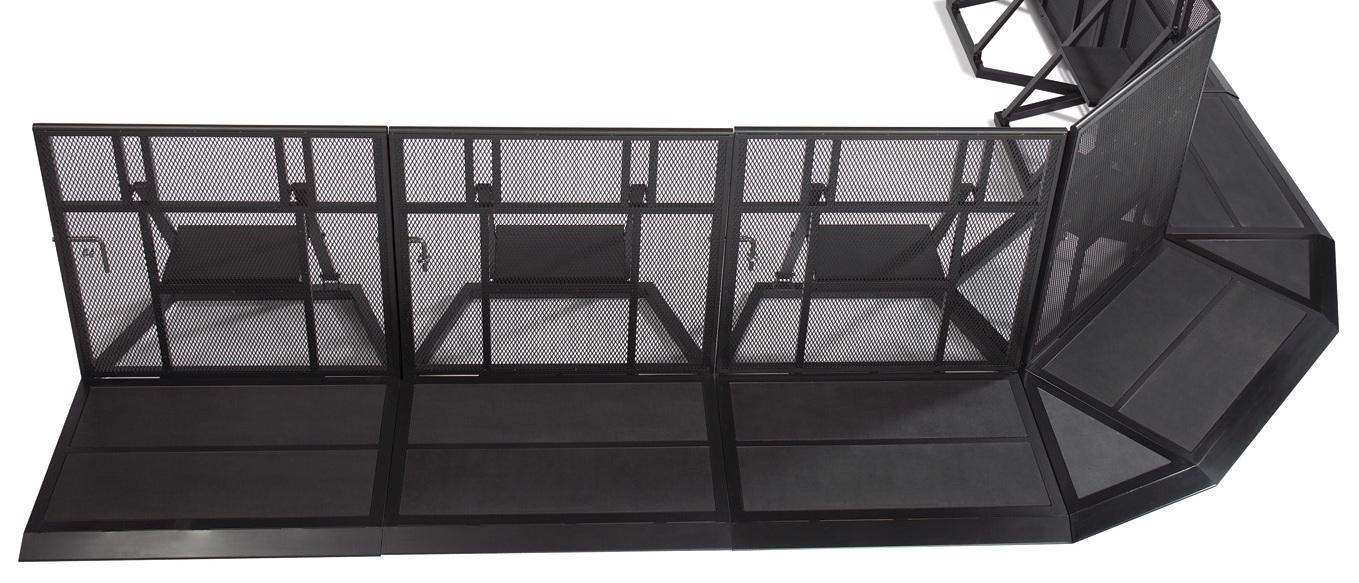
Learning about the main function of crowd control barriers
Crowd control barriers function as a basic operational element which helps to manage efficient crowd flows during large gatherings. Organizations together with public authorities along with event managers depend on crowd control structures to organize people flows and guarantee security and maintain order. A disorganized foot traffic control system leads to operational inefficiencies and safety risks together with confusion for the people.
The barriers establish clear paths for safe entry and exit of people. These barriers serve to divide separate zones including VIP areas and restricted zones alongside main audience areas. The implementation of adequate crowd management systems effectively reduces congestion risks at events that bring large crowds like concerts or festivals or sporting events. A system properly positioned allows people to move freely without creating obstacles to their way.
Crowd barriers serve businesses with promotional events and product launches by improving the experience of their customers. The barriers create an orderly queuing mechanism for people who waits less time and avoids overcrowded situations. Such barriers serve public authorities for blocking off critical areas to protect sensitive zones while promoting operational safety within public areas. These barriers serve dual functions because their main purpose goes beyond physical separation as they function both as strategic tools for space optimization and regulatory compliance.
Multiple important elements need evaluation during the selection process for crowd control barriers.
Multiple variables must be assessed to select appropriate crowd control barriers because these products need to be durable while flexible and material-efficient. Event planners and businesses need to decide barriers which match their operational conditions while meeting their specific requirements.
Material selection stands as one of the primary considerations during decision-making. Crown control barriers made from steel excel at bearing heavy use because of their superior durability which makes them appropriate for permanent installations. Plastic barriers demonstrate flexibility in combination with light weight which makes them appropriate for momentary construction projects. Materials need assessment according to their resistance to weather elements combined with their mobility and storage requirements.
The shape and flexibility quality of an obstacle also plays an essential role during selection. The modular design of barriers enables efficient changes to match the number of attendees and their flow patterns. The specific design of interlocking barriers creates a stable system which decreases any chance of unintentional barrier falls. Different event barrier products include extraordinary features such as adjustable signage instruments and retractable bands that strengthen operational efficiency.
Organizations need to perform inspections of their compliance with relevant rules and regulations. Public safety and accessible access to controlled areas become mandatory requirements that local authorities establish through their specific guidelines. The implementation of these standards protects from legal problems while delivering improved event customer satisfaction. Organizations succeed in making safety-aware decisions through thorough assessment of these conditions and operational goals.
The Role of Crowd Control Barriers in Safety and Security
Every organization needs safe conditions when dealing with crowded situations. Safety is greatly enhanced through crowd control barriers by specifically lowering the risks caused by busy pedestrian areas and chaotic movements. Well-placed barriers act as a safety measure which stops stampedes while avoiding blocked passages and stopping unapproved entry into restricted spaces.
Security staff members find organized working conditions within these barriers. The procedure of managing entrances for crowds results in an organized security screening process at large events. Emergencies gain advantages from barrier placement because they aid evacuation direction and stop confusion while providing prompt emergency actions. Designated barrier zones provide support to law enforcement personnel when managing protests together with parades and demonstrations so they can maintain public order.
Crowd control barriers installed at retail businesses stop shoplifting along with deterring unapproved persons from entering. The implementation of specific checkout lines in crowded commercial locations helps prevent operational disturbances for stores. Constant evaluations of safety measures help to validate barrier effectiveness across different crowd scenarios. Barriers installed before crowds arrive contribute to both enhanced security protection and streamlined movement of people.
Maximizing Efficiency with Strategic Placement
The position of crowd control barriers directly impacts their overall operational effectiveness. Organizations responsible for crowd management must allocate barriers strategically after considering crowd behavior patterns together with site layout requirements and safety standards. Rational barrier placement determines operational success but subpar positions generate confusion together with operational inefficiencies.
The correct placement strategy requires identification of main traffic zones including entrance areas together with exit points alongside points where congestion is expected to be high. Crowd management barriers need strategic positioning because well-placed elements will steer crowds naturally while preventing disruptive moments of stopping and diversion from their path. Barriers in large-scale events must facilitate clear observation of emergency exits so establishments follow required safety protocols.
Event organizations must base their barrier installation process on the nature of the activities they stage. At concerts that have standing audiences the barriers should be positioned closer to the stage to enhance security but trade shows need open pathways that enable smooth navigation between displays. Businesses organizing promotional events should implement barrier placement according to two objectives of maximizing brand exposure while ensuring queue organization remains clear.
Organizations must periodically check and modify barrier arrangements in order to achieve maximum efficiency. Organizations need to observe crowd conduct for possible immediate changes to barrier placement. Barriers properly arranged create operational success by enabling efficient crowd control and eliminate disruptions within the area.
The Choosing of Appropriate Crowd Management Technology Requires Serious Consideration
Quantitative and strategic purchase decisions regarding crowd control barriers determine safety measures alongside operational performance and contribute to business brand recognition. Businesses need to assess their future requirements when choosing barriers to guarantee durable performance that supports operational goals. The combination of cost-effectiveness and operational excellence should guide choice-making so that barrier systems do not require frequent maintenance or replacement expenditures.
Supplying customization features to businesses generates extra advantages. Brand-marked barriers help companies achieve two benefits: they create brand visibility and they maintain a high presence in active locations. Businesses benefit from adjustable barrier formats that support various occasions thus minimizing the need to buy multiple physical barriers. Barriers should sustain relevance as market expansions occur because of plans for future growth.
Barriers survive longer when businesses perform maintenance procedures and store them properly which in turn increases their worth. Businesses need to create inspection procedures which maintain their barriers in a proper state. Businesses that acquire well-made barriers constructed appropriately will acquire long-term operational advantages as well as fulfill regulatory written standards.
Smooth crowd management depends on selecting proper crowd control tools which results in efficient operations. The strategic selection of appropriate crowd control solutions leads organizations toward superior operational results both for security purposes and operational efficiency needs and branding requirements.
