


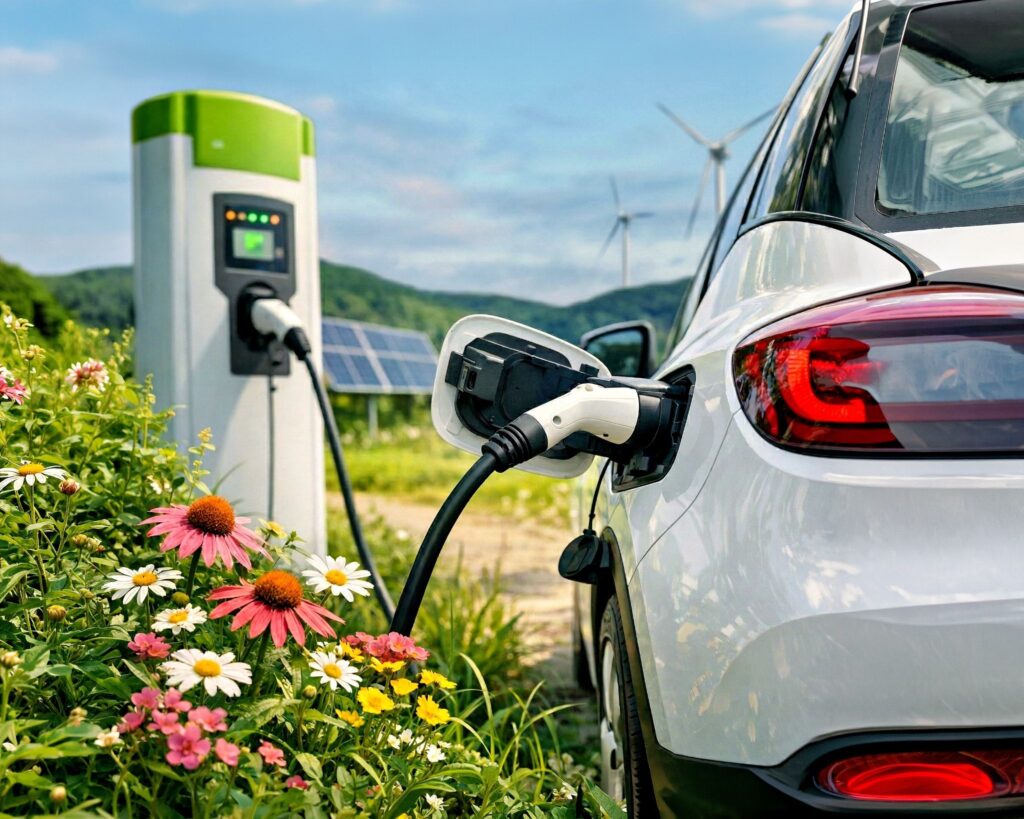
The electric vehicle market has moved far beyond its early adoption stage. Every year, more consumers purchase electric cars, governments introduce supportive policies, and businesses invest heavily in charging infrastructure. Yet, as charging networks continue to expand, operators are discovering that hardware alone cannot guarantee long term success.
The real difference now lies in how charging networks are managed. From real time monitoring to billing automation and customer engagement, intelligent software platforms are becoming the foundation of modern charging ecosystems. Companies that can efficiently manage large networks will be better positioned to succeed in an increasingly competitive market.
The Growing Importance of Charging Data
Every charging session generates valuable information. Data related to charger availability, peak usage hours, energy consumption, and customer behavior can provide important insights for operators.
Without the right tools, however, this information often remains unused. Charging operators need systems that can collect, organize, and analyze data in real time. By doing so, they can make informed decisions that improve both operational efficiency and customer satisfaction.
Turning Information Into Action
Data driven management allows operators to identify underperforming stations, predict maintenance requirements, and optimize pricing strategies. Instead of relying on assumptions, businesses can make decisions based on actual user behavior and network performance.
Platforms such as EV Charging Management Software provide centralized dashboards that transform large amounts of operational data into practical insights. This helps operators improve resource allocation while maintaining a high level of service reliability.
Understanding Customer Charging Patterns
Consumer behavior within the EV industry is constantly evolving. Some charging locations experience heavy demand during business hours, while others become busy during evenings or weekends.
By analyzing charging patterns, operators can better understand customer needs and adjust their services accordingly. This information can influence future station deployment, pricing structures, and infrastructure investments.
Improving Charger Utilization Rates
One of the biggest challenges facing charging operators is maximizing charger usage. Poorly utilized stations can significantly reduce profitability and delay return on investment.
Data analytics can identify opportunities to improve utilization rates by highlighting demand trends and operational inefficiencies. Operators can then adjust their strategies to increase network performance and generate greater revenue.
Real Time Monitoring Is Becoming Essential
Modern charging networks require continuous monitoring. A single charger failure can affect customer trust and lead to lost revenue opportunities.
TrendPower has developed one of China’s leading software solutions that help operators manage OCPP networks, users, billing systems, payments, and charger operations through real time monitoring capabilities. These features allow businesses to respond quickly to technical issues and maintain consistent service quality. The ability to remotely monitor and diagnose charging equipment has become an essential requirement in today’s rapidly expanding EV market.
Predictive Maintenance Reduces Costs
Traditional maintenance models often rely on reacting to equipment failures after they occur. This approach can be expensive and disruptive for charging operators.
Intelligent software platforms are changing this model through predictive maintenance technologies. By continuously analyzing equipment performance, operators can identify potential problems before they result in charger downtime. This not only reduces maintenance expenses but also improves the overall reliability of charging networks.
Supporting Smarter Business Decisions
As charging infrastructure becomes more competitive, operators must make increasingly strategic decisions regarding expansion and investment.
Solutions such as the EV Charging Point Management System help businesses gain deeper visibility into their networks and make better long term decisions. Access to detailed reporting and operational insights enables companies to identify profitable opportunities while minimizing risks. This level of intelligence is becoming a significant competitive advantage for operators seeking sustainable growth.
Preparing for a More Connected Future
The future of electric mobility will involve much more than simply providing charging services. Charging stations are expected to become part of broader smart city and energy management ecosystems.
Artificial intelligence, renewable energy integration, and advanced analytics will continue transforming the way charging infrastructure operates. Operators that invest in intelligent software today will be better prepared to adapt to these future developments.
Final Thoughts
The rapid growth of electric mobility is creating both opportunities and challenges for charging operators worldwide. Building charging stations remains important, but managing them efficiently has become equally critical.
Data driven platforms are helping operators improve reliability, increase profitability, and deliver better customer experiences. Through centralized management, predictive analytics, and real time monitoring, intelligent charging software is becoming one of the most valuable assets in the EV industry. As the market continues to mature, companies that successfully utilize operational data and advanced management technologies will be the ones leading the next generation of electric mobility infrastructure.
