


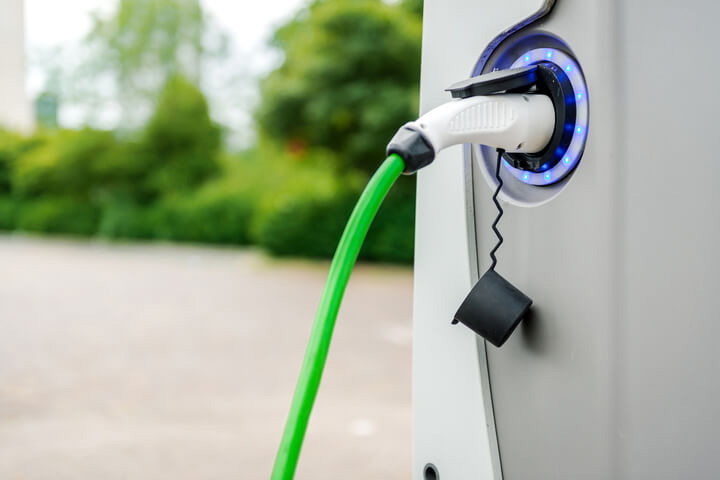
Flexible charging equipment has become increasingly important as electric vehicles become part of everyday transportation. Drivers need charging solutions that are easy to handle, store, and connect without creating unnecessary difficulties. Ev cables and Ev charging cables are designed to support reliable electricity transfer while offering practical flexibility for different charging environments. A flexible cable can make the charging process more convenient, particularly when vehicles need to be positioned at different angles or distances from charging equipment.
Understanding Flexibility in Electric Vehicle Charging
Flexibility refers to how easily a charging cable can bend, move, coil, and adapt to different charging positions without becoming damaged. A rigid cable can be difficult to manage, especially when the charging point is not positioned directly beside the vehicle’s charging port.
Flexible cables are designed with materials and construction methods that allow easier movement. This can improve the overall charging experience while reducing the physical effort required to connect and store the cable.
Why Cable Flexibility Matters
A charging cable may need to be moved frequently throughout its service life. Drivers connect it to the vehicle, disconnect it after charging, and often store it afterward.
A flexible design makes these everyday actions easier. It can also help prevent unnecessary strain on the cable, particularly when the charging point and vehicle are positioned differently during each charging session.
Easier Connection Between Vehicle and Charger
One of the biggest advantages of flexible charging cables is easier positioning. Parking spaces and charging locations can vary considerably, meaning the vehicle may not always be located at the ideal angle.
A flexible cable can adapt to these conditions more easily. Instead of requiring precise vehicle positioning, it provides greater freedom when connecting the charging equipment.
Supporting Different Parking Positions
At home, a vehicle may be parked in a driveway, garage, or carport. At public charging locations, parking arrangements can be different from one station to another.
Flexible cables can accommodate these variations more conveniently. Their ability to bend and move can reduce the need for repositioning the vehicle simply to reach a charging connection.
Improved Handling and Storage
Charging cables are commonly handled several times each week. A cable that is difficult to bend or coil can become inconvenient to use.
Flexible construction allows users to coil the cable more easily after charging. This can help keep storage areas organized and reduce the amount of space required.
Reducing Unnecessary Cable Stress
Proper flexibility can also help reduce stress caused by repeated bending. However, flexibility does not mean a cable should be sharply folded or twisted.
Users should still follow appropriate handling practices. Avoiding excessive bending, pulling, and twisting can help preserve the cable’s internal components and outer protective layers.
Durability in Everyday Conditions
A flexible charging cable needs to combine movement with durability. The cable should be capable of repeated handling while protecting its internal electrical conductors.
High-quality insulation and protective outer materials can help the cable withstand common environmental and mechanical conditions. This is particularly important when charging equipment is frequently used outdoors.
Protection From Weather and Wear
Outdoor charging can expose cables to rain, sunlight, dust, temperature changes, and contact with different surfaces.
A durable outer jacket can provide protection against these conditions. When combined with appropriate flexibility, it can help the cable remain practical for regular charging use.
Flexibility and Charging Performance
Flexibility primarily affects usability, but cable construction can also influence charging performance. The internal conductors must be appropriately sized and protected for the electrical load they are designed to carry.
A suitable cable should match the charging system and vehicle requirements. Using compatible equipment helps ensure that electricity can be transferred safely and efficiently.
Choosing the Appropriate Cable Capacity
Charging cables are designed for particular electrical ratings. These ratings may relate to voltage, current, and charging capabilities.
Before selecting a cable, users should confirm that it is compatible with their vehicle and charging equipment. A flexible cable is only beneficial when it also provides the electrical performance required by the charging system.
Safety Benefits of Well-Designed Charging Cables
Safety is an important consideration whenever electrical equipment is used. Flexible charging cables should be constructed with suitable insulation and protective components.
A properly designed cable helps protect the internal conductors from physical damage while maintaining a stable connection during charging.
Importance of Connector Quality
The connector is another critical part of a charging cable. It needs to fit securely into the charging port and maintain reliable electrical contact.
Users should inspect connectors regularly for visible damage, cracks, dirt, deformation, or signs of excessive heat. Damaged charging equipment should be replaced or professionally assessed before continued use.
Benefits for Home Charging
Flexible cables are especially useful for home charging because parking arrangements can change from day to day. A vehicle might be parked closer to one side of the garage or driveway on one occasion and in a different position the next.
A flexible cable can provide additional reach and positioning freedom without requiring the vehicle to be parked in exactly the same location each time.
Convenient Daily Charging
For drivers who charge overnight, convenience is particularly valuable. Easy-to-handle equipment can make connecting and disconnecting the vehicle a simple part of the daily routine.
Proper storage also helps prevent the cable from becoming a tripping hazard or being exposed to unnecessary physical damage.
Benefits for Public Charging
Public charging stations may have different layouts and parking configurations. Drivers often need to work with the available charging position rather than choosing the perfect parking arrangement.
Flexible cables can make these situations easier by allowing the connection to move naturally between the charging station and vehicle.
Greater Charging Convenience
When a cable is flexible enough to accommodate different vehicle positions, drivers can spend less time adjusting the cable or repositioning the vehicle.
This can be particularly useful during busy charging periods when drivers want to complete their charging session efficiently.
Maintaining Flexible Charging Cables
Proper maintenance can help preserve cable flexibility and overall performance. Users should keep the cable clean and avoid storing it in areas where it may be exposed to excessive heat, moisture, or heavy objects.
After use, the cable should be coiled naturally rather than tightly wrapped or sharply folded.
Regular Visual Inspection
Periodic inspection can identify potential problems before they become more serious. Look for cuts, exposed wires, damaged insulation, unusual discoloration, or connector damage.
If any significant damage is found, the cable should not be used until it has been properly evaluated.
Frequently Asked Questions
Are flexible charging cables better than rigid cables?
Flexible cables are generally more convenient for everyday use because they are easier to position, handle, and store. The best choice still depends on the vehicle, charging equipment, electrical requirements, and intended environment.
Does cable flexibility affect charging speed?
Flexibility itself does not determine charging speed. Charging speed depends mainly on factors such as the vehicle’s charging capability, charging equipment, electrical supply, and cable’s electrical rating.
Can flexible charging cables be used outdoors?
Many charging cables are designed for outdoor environments, but users should check the cable’s specifications and environmental ratings before outdoor use. Proper storage and handling are also important.
How should EV charging cables be stored?
Charging cables should be coiled without sharp bends and stored in a clean, dry location. Avoid placing heavy objects on them or exposing them unnecessarily to extreme temperatures.
How often should charging cables be inspected?
A quick visual inspection before or after regular use is a good practice. Particular attention should be given to the connectors, outer jacket, and areas that experience repeated bending.
Conclusion
Flexibility can make electric vehicle charging significantly more convenient by allowing cables to adapt to different parking positions, charging locations, and storage requirements. Along with flexibility, durability, suitable electrical capacity, strong insulation, and reliable connectors are essential for dependable operation. As electric vehicle adoption continues to grow, well-designed Ev cables and Ev charging cables will remain important for making daily charging safer, easier, and more practical across home and public charging environments.
