


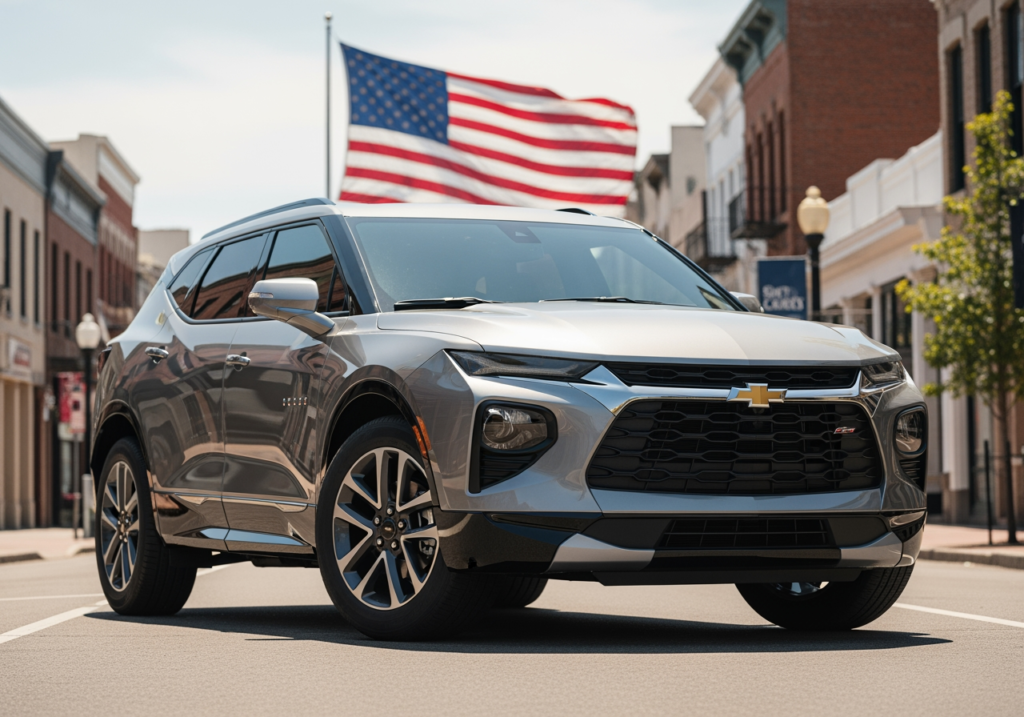
The Evolution of the Trailblazer: From Trim Line to Standalone SUV
Making a vehicle last a long time needs more than just driving it. You need to truly understand its design and history. This knowledge helps owners make smart choices about its care. We will look at the Chevrolet TrailBlazer, a model with a long and changing history.
This guide shares the TrailBlazer’s full story. We will see how it started as a special trim. Then, we will learn how it became its own SUV. We will cover its different models, engines, and where it was sold around the world.
Last, we will give you important tips for its upkeep. Our goal is to help your TrailBlazer work well for many years.
The Chevrolet TrailBlazer nameplate has a fascinating journey, evolving from a premium trim package to a standalone mid-size SUV, and later to a global truck-based SUV and a subcompact crossover. This evolution reflects changing market demands and Chevrolet’s strategic adaptations.
Initially, the “TrailBlazer” badge first appeared in 1999 as an upscale trim level for the Chevrolet S-10 Blazer. This early iteration offered enhanced features and styling, hinting at the potential for a dedicated model. The positive reception paved the way for its transformation into a distinct vehicle.
The first generation of the standalone Chevrolet TrailBlazer (2001–2009) marked a significant departure, launching as a mid-size SUV built on the robust GMT360 platform. This body-on-frame architecture, shared with siblings like the GMC Envoy and Oldsmobile Bravada, provided a sturdy foundation designed for both on-road comfort and off-road capability. Its introduction was a success, culminating in the prestigious North American Truck of the Year award in 2002. This accolade underscored its impact on the SUV market, where it quickly became a popular choice for families and adventurers alike.
Production for this generation primarily took place at GM’s Moraine, Ohio, plant, a facility that became synonymous with the TrailBlazer’s North American tenure. The GMT360 platform featured an independent front suspension for improved ride quality and a five-link rear suspension, balancing utility with driving dynamics. A key variant, the TrailBlazer EXT, was built on the GMT370 chassis, offering an extended wheelbase and greater passenger capacity.
To illustrate the difference between the standard and extended versions, consider the following:
Feature Standard TrailBlazer (GMT360) TrailBlazer EXT (GMT370) Body Style 5-door SUV 5-door SUV Seating Capacity 5 passengers 7 passengers Wheelbase Standard Extended Length Standard Approximately 410 mm longer Rear Roofline Standard Higher The first-generation TrailBlazer achieved remarkable sales figures in the US, with a total of 1,626,309 units sold between 2001 and 2009. Its peak sales year was 2004, when 283,484 units found homes, demonstrating its strong market presence during its prime.
First-Generation Trim Levels and Features
During its North American run from 2001 to 2009, the first-generation Chevrolet TrailBlazer offered a range of trim levels designed to cater to diverse customer preferences, from basic utility to luxurious comfort.
The entry-level LS trim provided a solid foundation, equipped with essential features for everyday driving. As customers moved up the ladder, the LT trim added more comfort and convenience, often including power-adjustable seats, upgraded interior materials, and enhanced infotainment options.
For those seeking a more premium experience, the LTZ trim delivered luxury-oriented features. This typically included leather seating, automatic climate control, a premium audio system, and more advanced technological amenities for its time. These higher trims aimed to provide a refined driving experience, positioning the TrailBlazer as a versatile SUV capable of both rugged tasks and comfortable family transport.
Across all trims, the first-generation TrailBlazer benefited from its robust engineering. The independent front suspension and five-link rear suspension system contributed to a balanced ride, offering a good blend of stability and comfort for a body-on-frame SUV. Key features like four-wheel anti-lock disc brakes were standard, enhancing safety. Depending on the trim and model year, available options included a driver information center, OnStar telematics, and a variety of wheel designs.
The Extended EXT and Performance SS Variants
Beyond the standard five-passenger model, the first-generation TrailBlazer offered two distinctive variants that catered to specific needs: the TrailBlazer EXT and the high-performance TrailBlazer SS.
The TrailBlazer EXT was a longer-wheelbase version designed to accommodate seven passengers across three rows. This variant was approximately 410 mm (16 inches) longer than the standard model, with a visually distinct higher rear roofline to provide ample headroom for third-row occupants. The EXT offered increased cargo capacity and seating flexibility, making it an ideal choice for larger families or those requiring more interior space. Production of the TrailBlazer EXT, along with its GMC Envoy XL counterpart, concluded in 2006, with the last unit rolling off the line on February 20, 2006, reflecting a shift in market demand towards more fuel-efficient or crossover alternatives.
For enthusiasts seeking exhilarating performance in an SUV, Chevrolet introduced the TrailBlazer SS in 2006. This variant was a groundbreaking vehicle, being the first production SUV to wear the iconic “Super Sport” badge. Under the hood, the TrailBlazer SS was powered by a detuned version of the 6.0L LS2 V8 engine, famously shared with the C6 Corvette. This engine transformed the mid-size SUV into a formidable performance machine, delivering impressive acceleration and handling. The SS variant also featured a sport-tuned suspension, larger brakes, and distinctive exterior styling cues, including unique wheels and bodywork, to set it apart.
The TrailBlazer SS was produced from 2006 to 2009, with a total production run of 26,441 units. This represented a niche but significant segment, accounting for about 1.7% of the total first-generation TrailBlazer production. Its peak sales year was 2006, with 9,361 units sold, solidifying its status as a unique and powerful entry in the performance SUV market. The SS variant showcased Chevrolet’s ability to infuse high-performance DNA into a practical SUV, creating a vehicle that remains a cult classic among enthusiasts.
Engineering Excellence: Powertrains and Specialized Variants
The heart of any vehicle lies in its powertrain, and the Chevrolet TrailBlazer generations have featured a range of engines known for their performance and durability. The first-generation North American TrailBlazer was particularly notable for its innovative inline-six engine.
At its launch, the standard engine for the first-generation TrailBlazer was the 4.2L Atlas LL8 inline-six. This engine was a marvel of engineering for its time, producing an impressive 273 horsepower (203.5 kW) and 277 lb-ft of torque. This made it the most powerful six-cylinder SUV in its class, a significant achievement that contributed to the TrailBlazer’s strong performance and towing capabilities. The 4.2L engine was also recognized for its excellence, appearing on Ward’s 10 Best Engines list from 2002 to 2005. Its robust design and smooth operation made it a favorite among owners.
Later in its production run, a 5.3L V8 engine became available, offering even more power and torque for those needing enhanced towing or acceleration. This V8 often featured Active Fuel Management (AFM) technology, which could deactivate cylinders under light load conditions to improve fuel efficiency, a forward-thinking feature for an SUV of its era. These powertrains, combined with various transmission options, provided a versatile driving experience, whether for daily commuting, long-distance travel, or light off-road adventures.
Performance Benchmarks of the Super Sport
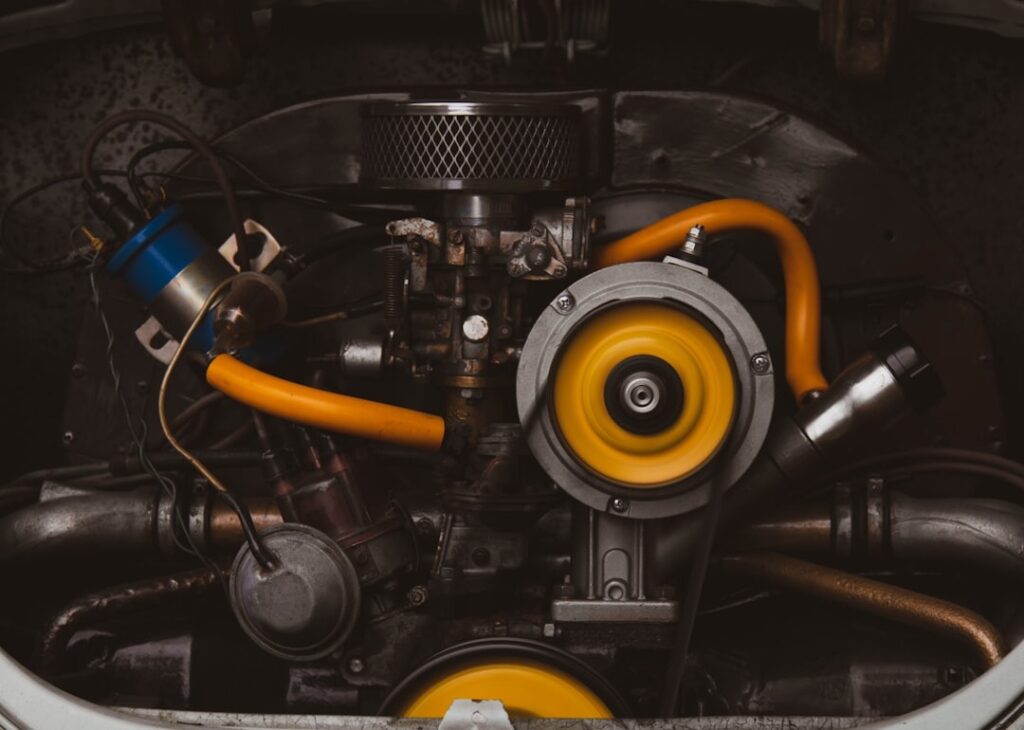
The Chevrolet TrailBlazer SS wasn’t just about a powerful engine; it was a comprehensive performance package. Its 6.0L LS2 V8 engine, while detuned from its Corvette application, still delivered a potent 395 horsepower and 400 lb-ft of torque. This raw power translated into impressive acceleration, allowing the SS to sprint from 0 to 60 mph in approximately 5.5 seconds, an astounding figure for a mid-size SUV of its time.
Beyond the engine, the SS variant featured several enhancements to match its performance capabilities. A cold air induction system helped the engine breathe better, contributing to its power output. The suspension was significantly upgraded with stiffer springs, larger anti-roll bars, and a lower ride height, transforming the TrailBlazer’s handling dynamics. Performance brakes with larger rotors and calipers were installed to ensure adequate stopping power for the increased speed.
The exclusivity of the SS model also added to its allure. With only 26,441 units produced between 2006 and 2009, representing a mere 1.7% of total TrailBlazer production, it remains a sought-after model for collectors and performance enthusiasts. The TrailBlazer SS truly pushed the boundaries of what a utility vehicle could be, blurring the lines between SUV practicality and sports car exhilaration.
Global Powertrains and Diesel Options
While North America saw gasoline-powered TrailBlazers, the second generation (RG; 2011–present), designed for global markets, embraced a different set of powertrains, particularly focusing on diesel options to meet regional demands for fuel efficiency and torque.
The global second-generation Trailblazer, which is a body-on-frame SUV based on the GMT31XX platform (shared with the Chevrolet Colorado pickup truck), prominently featured the 2.8L Duramax turbodiesel engine. This engine was a workhorse, offering robust performance with up to 197 horsepower and a substantial 370 lb-ft of torque. Its high torque output made it exceptionally capable for towing and off-road driving, aligning with the utility needs of markets like Southeast Asia, Australia, and South America.
Alongside the diesel, a 3.6L V6 gasoline engine was also available in some markets, providing a powerful alternative. Transmission options for these global models included 6-speed manual and automatic transmissions, offering drivers flexibility based on their preferences and driving conditions. The second-generation Trailblazer’s focus on durable, high-torque engines, especially diesels, underscored its role as a rugged, go-anywhere SUV for international markets, distinctly different from the North American crossover replacements.
Global Markets and the Transition to Modern Crossovers
The Chevrolet TrailBlazer’s journey is a tale of two distinct vehicle lineages. While the first generation concluded its run in North America in 2009, the nameplate found a new life in global markets with a second generation (RG) launched in 2011. This global model, a body-on-frame SUV, served diverse regions before Chevrolet introduced an entirely different, unibody subcompact crossover also bearing the Trailblazer name in 2020 for markets like North America and China.
The second-generation Trailblazer (RG), produced from 2011 onwards, was primarily developed for markets outside North America. Key production hubs included Thailand and Brazil, serving as manufacturing bases for this rugged, truck-based SUV. It quickly gained popularity in these regions due to its durability, seven-passenger capacity, and strong towing capabilities, often powered by the aforementioned Duramax diesel engines.
In Australia and New Zealand, this second-generation model was initially sold as the Holden Colorado 7, later rebranded as the Holden Trailblazer in 2016. This regional variant received a 5-star ANCAP safety rating in 2016, scoring well with 13.89/16 in frontal offset and a perfect 16/16 in side impact, highlighting its commitment to occupant protection. Brazilian sales of this generation peaked in 2018 with 3,854 units, demonstrating its sustained appeal in South America.
The current subcompact crossover Trailblazer, launched in 2020, represents the third major iteration of the nameplate, built on the GM VSS-F platform. This smaller, unibody vehicle is primarily assembled in South Korea and China, targeting a different segment of the market—urban dwellers and those seeking a more compact, fuel-efficient SUV.
Market Specifics and Regional Branding
The global second-generation Chevrolet Trailblazer (RG) truly showcased how a single nameplate could be adapted and branded for various international markets, reflecting local preferences and partnerships.
In Australia and New Zealand, as mentioned, it was initially known as the Holden Colorado 7 before being rebranded as the Holden Trailblazer in 2016. This rebranding aligned it more closely with Chevrolet’s global naming strategy while still leveraging the established Holden brand. These models often featured specific tuning and trim levels to suit the Australian and New Zealand driving conditions and consumer tastes, including a focus on off-road capability and towing.
South American markets, particularly Brazil, were significant for the second-generation Trailblazer. It was launched there in 2012 and continued to receive updates and facelifts, demonstrating its long lifecycle and popularity in the region. The model’s robust construction and diesel engine options made it a suitable choice for the varied terrains and fuel economics of South America.
Even Russia saw production of the Trailblazer, with assembly taking place at the Avtotor plant. This localized production helped cater to the Russian market, which often favored large, capable SUVs. The Russian version, like others, incorporated region-specific features or adaptations where necessary. The 2016 facelift for the global Trailblazer brought updated styling, improved interiors, and enhanced connectivity features across these markets, ensuring its competitive edge for years.
The Modern Subcompact Crossover Era
The latest chapter in the Chevrolet Trailblazer story began in 2020 with the introduction of an entirely new vehicle—a subcompact crossover SUV. This model, which shares only its name with its predecessors, is built on the GM VSS-F platform, emphasizing a unibody construction, front-wheel-drive bias (with available AWD), and a focus on urban maneuverability and fuel efficiency.
This modern Trailblazer is powered by small, efficient turbocharged three-cylinder engines. The primary options are a 1.2L ECOTEC Turbo engine and a more powerful 1.3L ECOTEC Turbo engine, which delivers 155 horsepower. These engines are paired with either a continuously variable transmission (CVT) for front-wheel-drive models or a 9-speed automatic transmission for all-wheel-drive variants.
Despite its compact size, the subcompact Trailblazer has made a strong impression, particularly in safety. The 2021 model earned the IIHS Top Safety Pick+ award, a testament to its robust design and comprehensive safety features. This rating included “Good” scores in most crash tests, positioning it as a very safe option in its segment.
The vehicle has also received continuous updates. For instance, the 2024 refresh brought a more aggressive front fascia, new LED lighting, and a significantly upgraded interior featuring a standard 11-inch diagonal touchscreen infotainment system. This larger display, along with wireless Apple CarPlay and Android Auto, enhances the cabin’s modernity and connectivity, catering to the tech-savvy preferences of today’s buyers. This new Trailblazer represents Chevrolet’s entry into the burgeoning subcompact crossover market, offering a stylish, safe, and efficient option for a new generation of drivers.
Essential Automotive Maintenance Tips for Long-Term Reliability
Ensuring the longevity of any vehicle, including a Chevrolet TrailBlazer across its various generations, hinges significantly on consistent and proactive maintenance. Regular service isn’t just about fixing problems; it’s about preventing them and optimizing performance over the long haul. We understand that keeping a vehicle in top condition requires attention to detail and adherence to a scheduled maintenance plan.
Routine inspections are the cornerstone of vehicle health. These check-ups allow technicians to identify potential issues before they escalate into costly repairs. From tire pressure and tread depth to brake wear and suspension components, a thorough inspection can reveal early warning signs. Fluid longevity is another critical aspect; engine oil, transmission fluid, coolant, and brake fluid all degrade over time and require replacement at specified intervals to prevent wear and tear on vital systems. For comprehensive care and specialized attention to your Chevrolet, we recommend consulting experts who understand the nuances of these vehicles. For example, seeking guidance for specific service needs, such as Dave Hallman Trailblazer maintenance, ensures your vehicle receives the precise care it deserves.
Here is a list of critical service intervals and components that demand attention:
- Oil and Filter Changes: Typically every 5,000 to 7,500 miles, depending on oil type and driving conditions.
- Tire Rotation and Balance: Every 5,000 to 7,500 miles to ensure even wear and extend tire life.
- Brake Inspection: Annually or every 10,000-15,000 miles, checking pads, rotors, and fluid.
- Fluid Checks and Replacements:Coolant: Every 30,000-50,000 miles or as recommended by the manufacturer.
- Transmission Fluid: Every 30,000-100,000 miles, depending on vehicle and transmission type (check owner’s manual).
- Power Steering Fluid: As needed, usually checked during routine inspections.
- Brake Fluid: Every 2-3 years, as it can absorb moisture.
- Air Filter Replacement: Annually or every 15,000-30,000 miles (engine and cabin filters).
- Spark Plug Replacement: Every 30,000-100,000 miles, depending on plug type.
- Timing Belt/Chain Inspection/Replacement: Crucial for engines with timing belts, often around 60,000-100,000 miles. Timing chains typically last the life of the engine but should be inspected.
- Battery Test: Annually, especially before winter, to ensure optimal charge and cranking power.
- Wiper Blade Replacement: Every 6-12 months for optimal visibility.
Proactive Automotive Maintenance Tips for Engine Health
The engine is the heart of your TrailBlazer, and its health is paramount for maximizing vehicle longevity. Proactive maintenance can significantly extend its lifespan and maintain optimal performance.
Oil Viscosity and Quality: Always use the manufacturer-recommended oil viscosity and specification. For the first-generation 4.2L inline-six engine, using the correct synthetic or semi-synthetic oil is crucial for its sophisticated design. Regular oil and filter changes prevent sludge buildup and ensure proper lubrication of moving parts.
Cooling Systems: Overheating can cause catastrophic engine damage. Regularly check coolant levels and condition. Flush and replace the coolant according to the manufacturer’s schedule to prevent corrosion and maintain its heat transfer properties. Inspect hoses and the radiator for leaks or damage.
Timing Belt/Chain: For engines equipped with a timing belt, adherence to the replacement schedule is non-negotiable. A broken timing belt can lead to severe engine damage. While timing chains are generally more durable, they should still be inspected for wear or stretch during high-mileage services.
Spark Plugs: Worn spark plugs can lead to misfires, reduced fuel efficiency, and increased emissions. Replace them at recommended intervals. For the 4.2L I6, ensuring proper spark plug function is key to maintaining its power and efficiency.
Fuel System Cleaning: Periodically using a high-quality fuel system cleaner can help remove deposits from injectors and valves, ensuring optimal fuel delivery and combustion. This is particularly beneficial for maintaining the efficiency of modern direct-injection engines found in the subcompact Trailblazer.
Safety Systems and Automotive Maintenance Tips for Electronics
Modern vehicles, including all generations of the TrailBlazer, rely heavily on complex electronic systems for both performance and safety. Maintaining these systems is crucial to ensure the vehicle operates safely and reliably.
One notable issue that highlighted the importance of electrical system maintenance was a power switch recall affecting the first-generation TrailBlazer and its GMT360 siblings. In 2012, GM issued a recall for certain models due to a potential fire hazard caused by a faulty power window switch that could short circuit. This incident underscores the need to address any electrical anomalies promptly and to ensure that recalls are always completed.
Battery Health: The battery is the central power source for all electronic components. Regular battery tests, especially before extreme weather, can prevent unexpected breakdowns. Ensure battery terminals are clean and free of corrosion.
Sensor Calibration: Modern TrailBlazers, particularly the subcompact crossover, are equipped with advanced driver-assistance systems (ADAS) that rely on numerous sensors. Features like Chevy Safety Assist (which includes automatic emergency braking, lane keep assist, forward collision alert, etc.) require these sensors to be accurately calibrated. Any impact or repair involving bodywork might necessitate recalibration of these systems to ensure they function as intended.
Brake Pad Wear and ABS: While brake pad wear is mechanical, the Anti-lock Braking System (ABS) is electronic. Ensure all ABS sensors are clean and functioning correctly. Any warning lights related to ABS or traction control should be investigated immediately.
By paying attention to both mechanical and electronic components, owners can significantly enhance the safety and reliability of their TrailBlazer, ensuring it remains a dependable vehicle for years to come.
Frequently Asked Questions about the Chevrolet Trailblazer
We often encounter questions about the various iterations of the Chevrolet TrailBlazer, reflecting its complex history and global presence. Here, we address some of the most common inquiries to provide clarity.
Why was the Trailblazer discontinued in North America in 2009?
The discontinuation of the first-generation Chevrolet TrailBlazer in North America in 2009 was a multifaceted decision driven by evolving market dynamics and economic pressures. During the mid-2000s, consumer preferences began shifting away from traditional body-on-frame SUVs towards more fuel-efficient, car-based crossovers. The TrailBlazer, with its truck-like construction, became less competitive in this changing landscape, especially as gasoline prices fluctuated.
Furthermore, the economic downturn and the automotive industry crisis of 2008-2009 forced General Motors to streamline its product lineup and manufacturing operations. The Moraine, Ohio, plant, where the TrailBlazer was primarily built, was among those slated for closure. The last first-generation TrailBlazer rolled off the assembly line on December 16, 2008, just days before the plant ceased operations, an event famously documented in the HBO film ‘The Last Truck: Closing of a GM Plant.’
Chevrolet replaced the TrailBlazer in its North American lineup with two distinct models: the larger, unibody Chevrolet Traverse, which served as a successor for the standard TrailBlazer’s family-hauling role, and the compact Chevrolet Equinox, which effectively took over the market segment previously occupied by the longer TrailBlazer EXT. These replacements offered better fuel economy, more car-like driving dynamics, and updated features that appealed to the new generation of SUV buyers.
What are the safety ratings for the different generations?
The safety ratings for the Chevrolet TrailBlazer vary significantly across its different generations, reflecting advancements in automotive safety technology and testing standards over time.
The first-generation TrailBlazer (2001–2009) received mixed safety ratings from organizations like the National Highway Traffic Safety Administration (NHTSA). While it generally performed adequately in frontal crash tests, early models often received lower scores in side-impact protection, a common characteristic of SUVs from that era. For example, NHTSA ratings for the first generation often showed 4 out of 5 stars for frontal impact for the driver and passenger, but side-impact ratings could vary, sometimes showing 3 stars for rear passenger protection. The Insurance Institute for Highway Safety (IIHS) also conducted tests, and while specific overall ratings were not always as comprehensive as today’s, the vehicle was generally considered to offer reasonable protection for its time, though it lacked many of the advanced active safety features common in modern vehicles.
In contrast, the modern subcompact crossover Trailblazer (2020–present) has achieved significantly higher safety accolades. The 2021 model year of this new generation earned the prestigious IIHS Top Safety Pick+ award, which is the highest possible rating from the organization. To achieve this, the Trailblazer scored “Good” in all six crashworthiness tests (including driver-side small overlap front, passenger-side small overlap front, moderate overlap front, side, roof strength, and head restraints & seats). It also received “Superior” or “Advanced” ratings for its front crash prevention systems and “Good” or “Acceptable” ratings for its headlights. NHTSA also awarded the new Trailblazer a 5-star overall safety rating, indicating excellent performance in frontal, side, and rollover crash tests. These high ratings are a testament to the advanced engineering, robust structure, and comprehensive suite of active and passive safety features integrated into the latest Trailblazer.
How does the second-generation model differ from the original?
The term “second-generation Trailblazer” can be a bit confusing due to Chevrolet’s global strategy. It typically refers to the RG series (2011–present), which is a completely different vehicle from the North American first generation.
The original North American TrailBlazer (2001–2009) was a mid-size SUV built on the GMT360/370 body-on-frame platform. It was designed primarily for the North American market, offering a comfortable ride, decent towing capacity, and a range of gasoline engines, including the popular 4.2L inline-six and an optional V8. It was a traditional SUV, often seen as a family hauler or a capable vehicle for light off-roading. Its discontinuation in North America led to its replacement by unibody crossovers like the Traverse and Equinox.
The second-generation Trailblazer (RG; 2011–present), however, is a body-on-frame, truck-based SUV primarily developed for global markets such as Southeast Asia, Australia (as the Holden Colorado 7/Trailblazer), and South America. It shares its underpinnings with the Chevrolet Colorado pickup truck (GMT31XX platform), making it a much more rugged and utilitarian vehicle. This generation is known for its strong diesel engine options (like the 2.8L Duramax), high towing capacity, and seven-passenger seating, catering to markets where durability and off-road capability are highly valued. It received facelifts over its production run but maintained its truck-based architecture.
To further complicate matters, the subcompact crossover Trailblazer (2020–present) is sometimes informally referred to as a “third generation” or simply “the new Trailblazer.” This vehicle is a unibody (car-based) subcompact crossover built on the GM VSS-F platform. It is a much smaller, more fuel-efficient, and urban-oriented vehicle, designed for markets like North America and China. It has no direct mechanical relation to either the original North American TrailBlazer or the global RG series.
In summary, the second-generation (RG) Trailblazer is a rugged, truck-based SUV for international markets, emphasizing utility and durability, while the original was a North American mid-size SUV, and the current model is a compact, car-based crossover.
Conclusion
The Chevrolet TrailBlazer, in its various forms, has left an indelible mark on the automotive landscape. From its origins as an upscale trim of the S-10 Blazer to its evolution into a popular North American mid-size SUV, and then its transformation into a rugged global workhorse and a modern subcompact crossover, the nameplate embodies adaptability and resilience. We have explored its distinct generations, the powerful engines that drove them, the specialized variants like the TrailBlazer SS, and its diverse presence across international markets.
Understanding the engineering and history of your TrailBlazer is not just a matter of curiosity; it’s a critical component of maximizing its longevity. Whether you own a classic first-generation model, a robust global RG series, or the latest subcompact crossover, proactive maintenance is the key to ensuring years of reliable performance. By adhering to recommended service schedules, performing routine inspections, and addressing any issues promptly, you can safeguard your investment and enjoy the journey for many miles to come. The TrailBlazer’s legacy is one of continuous evolution, and with proper care, your vehicle can continue to blaze trails for generations.
