


The Evolution of Automotive Sales and Service for Hybrid Technology
Navigating modern vehicles means embracing advanced technology. Plug-in Hybrid Electric Vehicles (PHEVs) like the Mitsubishi Outlander PHEV stand out. They combine the best of electric and gasoline power. This blend offers great efficiency and performance.
However, these advanced systems also mean a need for specialized care. To ensure your PHEV lasts and performs its best, professional auto care is not just helpful, it is essential. Proper maintenance keeps all its complex parts working in harmony.
In this guide, we will explore why dedicated service is crucial for your Mitsubishi Outlander PHEV. We will cover everything from its unique powertrain to battery care and winter performance. Our goal is to help you understand how expert care can extend your vehicle’s life. For reliable support for your vehicle, dedicated sources for Mitsubishi Outlander PHEV sales and service are important. We aim to equip you with the knowledge to maintain your PHEV for years to come.
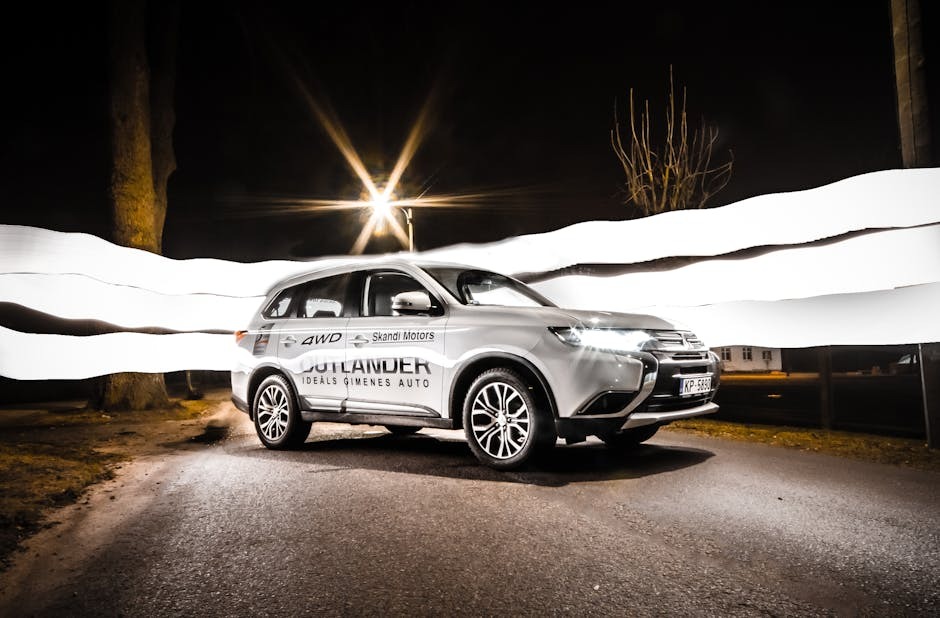
The automotive industry is in a constant state of evolution, and the advent of hybrid technology has significantly reshaped the landscape of vehicle sales and service. PHEVs, particularly models like the Mitsubishi Outlander PHEV, represent a sophisticated fusion of traditional internal combustion engines and advanced electric propulsion systems. This integration necessitates a new level of expertise in automotive care, moving beyond conventional mechanics to specialized technicians trained in high-voltage systems and complex software. The longevity and optimal performance of these vehicles depend heavily on understanding their unique architecture.
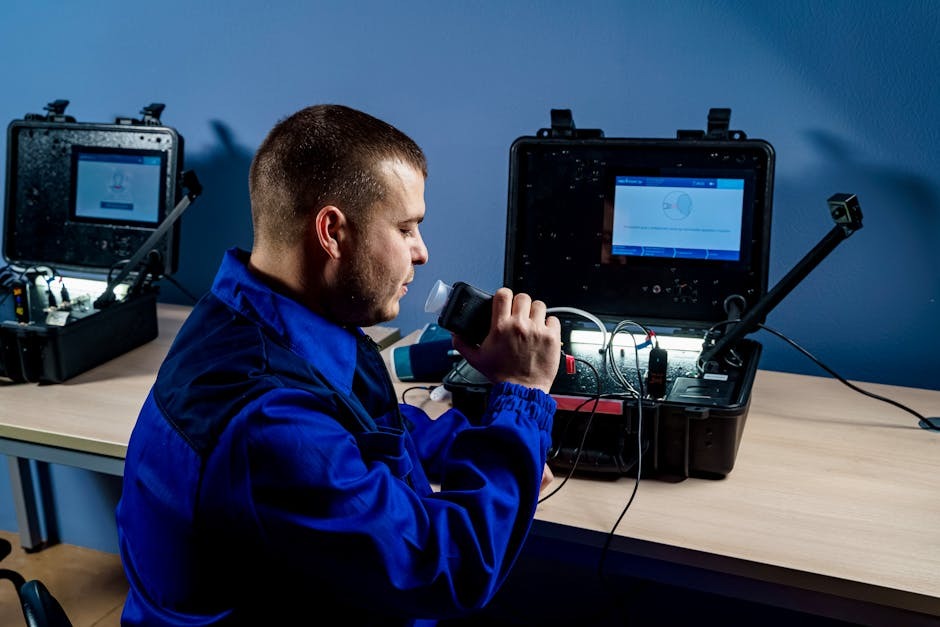
At the heart of the Outlander PHEV’s design is its innovative powertrain, comprising a 2.4L combustion engine working in concert with a twin-motor assembly. This setup not only provides robust power but also enables Mitsubishi’s acclaimed Super All-Wheel Control (S-AWC) system. S-AWC is not merely a mechanical all-wheel-drive system; it’s an intelligent, electronically controlled setup that integrates the electric motors to distribute power precisely to each wheel, enhancing traction, stability, and control across various driving conditions. The synergy between these components – the engine, the electric motors, the battery, and the S-AWC system – is what defines the Outlander PHEV’s performance. Maintaining this intricate system requires diagnostic tools and knowledge specific to PHEVs, ensuring that all software and hardware components communicate and operate as intended. Professional service centers are equipped to handle this complexity, safeguarding the vehicle’s integrity and ensuring its advanced capabilities continue to function flawlessly over time.
Specialized Automotive Sales and Service for Multi-Mode Drive Systems
The Mitsubishi Outlander PHEV is engineered with a sophisticated multi-mode drive system that seamlessly transitions between different operational states to maximize efficiency and performance. Understanding these modes is key to appreciating the specialized care they require.
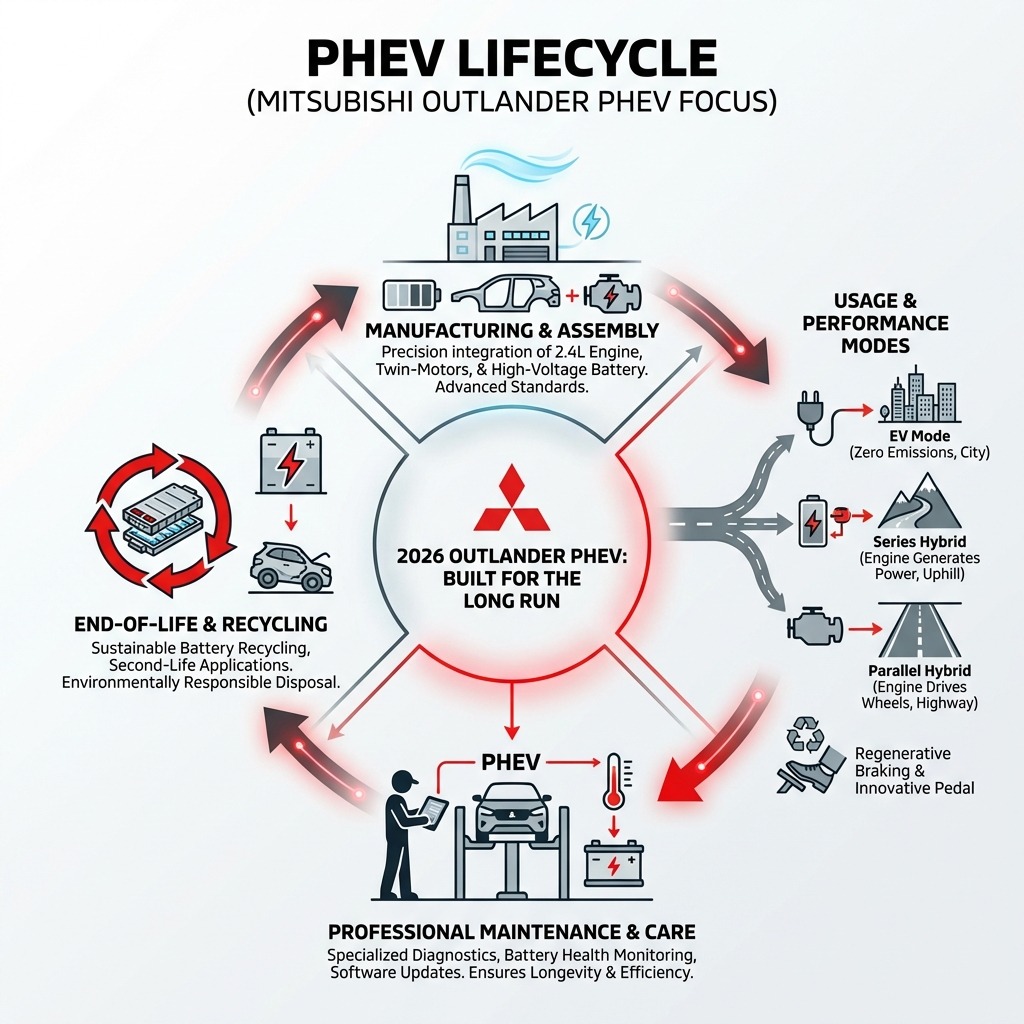
- EV Drive Mode: In this mode, the vehicle operates purely on electric power, drawing energy from the high-voltage battery to propel the electric motors. This is the primary mode for shorter commutes and urban driving, offering zero tailpipe emissions and quiet operation. Maintaining the electric drivetrain involves regular checks of the motor components, wiring, and cooling systems, which are distinct from those of a conventional gasoline engine.
- Series Hybrid Mode: When the battery charge is low or when more power is needed (e.g., during acceleration or uphill driving), the gasoline engine acts as a generator, producing electricity to power the electric motors and recharge the battery. The engine does not directly drive the wheels in this mode. This system requires the engine to operate efficiently as a generator, necessitating precise engine tuning and emission system checks.
- Parallel Hybrid Mode: At higher speeds, particularly on highways, the gasoline engine can directly drive the wheels, often assisted by the electric motors. This mode is most efficient for sustained high-speed cruising. The seamless engagement and disengagement of the engine and electric motors, managed by the vehicle’s control unit, highlight the need for specialized diagnostics to ensure smooth transitions and optimal fuel economy.
Beyond these core modes, the Outlander PHEV incorporates advanced technologies like regenerative braking, which converts kinetic energy back into electricity to recharge the battery during deceleration, and the Innovative Pedal technology, allowing for near one-pedal driving by adjusting regenerative braking force. These systems reduce wear on traditional brake components but introduce new electrical and software considerations for maintenance. Specialized service ensures that these complex interactions are precisely calibrated, preserving the vehicle’s unique blend of efficiency and dynamic capability.
Engineering Standards for Long-Term Reliability
The Mitsubishi Outlander PHEV is designed with robust engineering standards aimed at ensuring long-term reliability. Its powertrain delivers a combined 248 horsepower, a significant output that relies on the harmonious operation of its gasoline engine and twin electric motors. This power is managed by a sophisticated control unit that optimizes energy flow, balancing performance with efficiency.
Central to its reliability is the 20 kWh lithium-ion battery. This high-capacity battery is engineered for durability and longevity, but its performance is highly dependent on effective thermal management. The battery system includes advanced cooling and heating mechanisms to maintain an optimal operating temperature, preventing degradation from extreme heat or cold. Professional service involves monitoring these thermal management systems, checking for any anomalies that could impact battery health and overall vehicle performance.
The synergy of all components – from the engine and electric motors to the battery and the S-AWC system – is critical. Mitsubishi engineers meticulously design these elements to work together flawlessly, adhering to strict factory specifications. Regular maintenance by trained technicians ensures that these specifications are upheld. This includes software updates that optimize system integration, fluid changes for the engine and drivetrain components, and inspections of all high-voltage cabling and connections. By adhering to manufacturer-recommended service intervals and utilizing genuine parts, we can help ensure that the Outlander PHEV continues to meet its engineering standards for performance, safety, and efficiency throughout its lifespan. This meticulous approach to care extends the vehicle’s operational life and preserves its value, offering owners peace of mind that their advanced vehicle is in expert hands.
Maximizing Efficiency Through Battery and Powertrain Care
The efficiency of a Plug-in Hybrid Electric Vehicle (PHEV) like the Mitsubishi Outlander PHEV is intrinsically linked to the health of its battery and the meticulous care of its powertrain. The battery is the lifeline of the electric driving experience, dictating the vehicle’s electric range and overall fuel economy. Maintaining optimal battery health is paramount for maximizing the Outlander PHEV’s potential. This involves not only understanding charging habits but also ensuring the vehicle’s internal systems, such as voltage regulation and thermal management, are functioning correctly. Professional automotive service plays a critical role here, utilizing diagnostic tools to monitor battery performance, identify potential issues before they escalate, and ensure the entire electrical system operates within manufacturer specifications. This proactive approach safeguards the battery’s longevity and preserves the vehicle’s impressive efficiency ratings.
Impact of Charging Habits on Automotive Sales and Service Requirements
Charging habits significantly influence the long-term health and efficiency of a PHEV’s battery. The Mitsubishi Outlander PHEV offers versatile charging options, including Level 1 (120V household outlet), Level 2 (240V dedicated charger), and DC Fast Charging. The presence of CHAdeMO ports for DC Fast Charging is a notable feature, allowing the battery to reach 80% charge in as little as 38 minutes. While convenient, frequent use of DC Fast Charging, especially in extreme temperatures, can generate more heat within the battery, potentially impacting its long-term cycle life if not properly managed by the vehicle’s thermal systems.
The battery’s cycle life – the number of charge and discharge cycles it can endure before significant capacity loss – is influenced by factors like the depth of discharge (how much of the battery’s capacity is used before recharging) and the frequency of full charges versus partial charges. Ideally, maintaining the battery within a moderate state of charge (e.g., between 20% and 80%) when possible can contribute to its longevity. However, the vehicle’s battery management system is designed to protect the battery, even when charged to 100% or discharged to low levels.
Professional service includes inspecting the charging ports and connectors for wear or damage, ensuring secure and efficient power transfer. Technicians can also analyze battery data logs to understand charging patterns and advise owners on best practices to optimize battery health. This insight, combined with regular system checks, helps mitigate the impact of charging habits, ensuring the battery continues to deliver its rated performance and range over the vehicle’s lifespan.
Maintaining the S-AWC and Drive Mode Systems
The Super All-Wheel Control (S-AWC) system in the Mitsubishi Outlander PHEV is a cornerstone of its performance and safety, offering exceptional handling and traction. This advanced system, which integrates Active Yaw Control, works in conjunction with the vehicle’s various drive modes to adapt to diverse driving conditions.
- Tarmac Mode: Optimized for paved roads, this mode enhances steering response and stability, providing a more engaging driving experience.
- Gravel Mode: Designed for loose surfaces, it improves traction and control, preventing wheel spin and maintaining stability.
- Snow Mode: Specifically tuned for slippery, snow-covered roads, this mode ensures maximum grip and confidence in winter conditions.
- Mud Mode: For challenging muddy terrains, it helps the vehicle maintain momentum and traction.
The integrity of the S-AWC system relies on the precise operation of its electronic components, sensors, and the mechanical drivetrain. Regular inspections by trained technicians are essential to ensure that all elements of the S-AWC system, including the electric motors, differentials, and control unit, are functioning correctly. This also involves checking the drivetrain fluid intervals. While the electric motors require no fluid changes, the gasoline engine’s transmission and differential components do. Adhering to these service schedules is crucial for the smooth and efficient operation of the entire system. Any discrepancies in sensor readings or component wear can compromise the S-AWC’s effectiveness, potentially impacting handling and safety. Professional service ensures that these complex systems are calibrated and maintained to factory standards, preserving the Outlander PHEV’s superior driving dynamics and long-term reliability.
Charging Level Power Source Approximate Charge Time (20 kWh battery) Level 1 (120V) Standard Wall Outlet 10-12 hours Level 2 (240V) Dedicated Charger 6.5 hours DC Fast Charging CHAdeMO Station 38 minutes (to 80%)
Navigating Extreme Conditions and Winter Performance
Operating a PHEV in extreme conditions, particularly cold Canadian winters, presents unique challenges and highlights the importance of specialized vehicle care. The Mitsubishi Outlander PHEV is engineered to perform reliably even in harsh climates, but understanding its specific requirements for winter performance is crucial for maintaining longevity and efficiency. Cold temperatures can significantly impact battery behavior and overall vehicle operation, making professional insights and maintenance invaluable.
One common concern for PHEV owners in winter is cold-start performance. While the gasoline engine will start more frequently in cold weather to provide cabin heat and assist the battery, the electric components also need to be managed. At temperatures below -20°C, the lithium-ion battery’s chemical reactions slow down, which can temporarily reduce its available capacity and electric range. The vehicle’s intelligent systems are designed to adapt, often prioritizing engine use to warm the battery and maintain optimal operating conditions. However, firmware optimization and regular system checks by technicians ensure these adaptive strategies are working effectively. Professional service can also address any specific issues related to extreme cold, such as ensuring proper fluid levels for engine and thermal management systems, and verifying the functionality of battery heating elements (if equipped in certain models or generations). This proactive approach helps mitigate the effects of sub-zero temperatures, ensuring the Outlander PHEV remains a reliable and efficient vehicle throughout the winter months.
Winter Battery Management and Range Preservation
Winter conditions significantly impact the performance of lithium-ion batteries, and effective battery management is crucial for preserving the 61 km EV range and the impressive 420 miles total range of the Mitsubishi Outlander PHEV. In cold weather, the chemical processes within the battery slow down, leading to a temporary reduction in available power and capacity. This means that the actual EV range experienced by drivers can be lower than the official rating in sub-zero temperatures.
To counteract this, the Outlander PHEV employs sophisticated battery management strategies. While some earlier models featured dedicated battery heaters, newer generations often rely on intelligent thermal management systems that can use the gasoline engine to generate heat for the battery, or route waste heat from the powertrain to warm the battery pack. Cabin pre-conditioning, where the vehicle is warmed while still plugged into a charger, is an excellent practice for preserving EV range. It uses grid power to heat the cabin and battery, rather than drawing from the battery once unplugged.
Professional service is vital for ensuring these systems are operating optimally. Technicians can monitor battery health, check the functionality of thermal management components, and apply any necessary software updates that optimize battery performance in cold climates. They can also advise on best charging practices during winter, such as plugging in overnight, even if the battery is not fully depleted, to allow the vehicle to manage battery temperature effectively. Understanding and addressing these aspects of winter battery management helps to maximize the Outlander PHEV’s electric efficiency and prolong the life of its battery, ensuring consistent performance regardless of the temperature outside.
Traction and Safety Systems in Harsh Climates
In harsh climates, particularly those with heavy snow and ice, the Mitsubishi Outlander PHEV’s advanced traction and safety systems are paramount for driver confidence and vehicle longevity. The Super All-Wheel Control (S-AWC) system, combined with specialized drive modes like Snow and Mud, provides exceptional grip and stability. However, these systems rely on a network of sensors, electronic controls, and mechanical components that require regular inspection and maintenance to ensure peak performance when it matters most.
Beyond traction, the Outlander PHEV is equipped with a comprehensive suite of safety features designed to protect occupants. MI-PILOT Assist, for instance, integrates Adaptive Cruise Control and Lane Centering to reduce driver fatigue and enhance safety on long journeys, especially in varying road conditions. These driver-assistance technologies depend on precise sensor calibration and software functionality. Regular checks ensure that radar, cameras, and ultrasonic sensors are clean, undamaged, and accurately calibrated.
The vehicle’s passive safety measures are equally robust, featuring an 11-airbag system and Mitsubishi’s Reinforced Impact Safety Evolution (RISE) body construction. While these components are largely maintenance-free, professional service ensures that no incidental damage or system faults compromise their readiness. In the event of a minor collision or even just significant vibrations from rough roads, sensors or wiring could be affected, necessitating expert inspection. Maintaining these sophisticated traction and safety systems through professional service not only safeguards occupants but also preserves the vehicle’s integrity, ensuring that all protective and assistive features function as designed throughout its operational life.
Interior Utility and Long-Term Cabin Maintenance
The interior of the Mitsubishi Outlander PHEV is designed for both comfort and utility, accommodating up to 7 passengers and offering a generous 1,832 liters of cargo volume with the rear seats folded. This versatility makes it an ideal vehicle for families and adventurers alike. However, to maintain its appeal and functionality over time, dedicated long-term cabin maintenance is essential. The materials, from semi-aniline leather seating to the various plastics and fabrics, are subject to wear and tear from daily use, temperature fluctuations, and UV exposure. Regular cleaning, conditioning of leather, and protection from spills are fundamental.
Beyond aesthetics, the functionality of seating mechanisms, cargo latches, and interior lighting also contributes to the overall ownership experience. Professional detailing and preventative maintenance can address minor issues before they become significant problems, such as lubricating seat tracks, checking the integrity of cargo nets, and ensuring all interior lights are functioning. This attention to detail preserves the comfort and practicality of the cabin, reflecting positively on the vehicle’s overall value and longevity.
Technology and Connectivity Upgrades
Modern vehicles are increasingly defined by their technological offerings, and the Mitsubishi Outlander PHEV is no exception. Its cabin is a hub of advanced features designed to enhance convenience, entertainment, and connectivity. These systems, while robust, benefit from regular attention to ensure their long-term functionality and to keep pace with evolving digital standards.
Key features include a large 12.3-inch digital display for the driver’s instrumentation, providing clear and customizable information. The infotainment system supports seamless smartphone integration through Apple CarPlay and Android Auto, ensuring drivers can access their apps, navigation, and media effortlessly. Mitsubishi Connect offers a suite of connected services, from remote vehicle controls to emergency assistance, adding a layer of convenience and safety. For an immersive audio experience, a Bose premium audio system is available, and a head-up display projects critical driving information directly onto the windshield, minimizing driver distraction.
Maintaining these systems involves more than just cleaning screens. It includes ensuring software is up-to-date, addressing any connectivity issues, and checking the integrity of wiring and sensors. For example, ensuring the head-up display’s projector is clean and aligned, or that the Mitsubishi Connect system is properly subscribed and communicating with the vehicle, falls under specialized care. Professional service can diagnose and resolve electronic glitches, perform necessary software updates, and ensure all connectivity features are working optimally. This proactive approach helps to preserve the advanced technological capabilities of the Outlander PHEV, ensuring it remains a modern and connected vehicle for years to come.
Utility Features and Load Management
The Mitsubishi Outlander PHEV is designed with impressive utility, making it a highly practical vehicle for a wide range of activities. Its utility features, such as the 1,500W power outlets and a 1,500 lbs towing capacity, significantly enhance its versatility. However, to ensure these features remain reliable and safe for long-term use, proper load management and regular maintenance are crucial.
The 1,500W power outlets, available in the cabin and cargo area, are incredibly useful for powering electronic devices, tools, or even small appliances during camping trips or tailgating events. Ensuring the electrical system supporting these outlets is in top condition involves periodic checks of wiring, fuses, and the inverter by qualified technicians. Overloading these outlets can strain the vehicle’s electrical system, potentially leading to premature wear or component failure.
The 1,500 lbs towing capacity allows owners to haul small trailers, boats, or other recreational gear. While this capacity is substantial for a PHEV, proper towing practices are essential. This includes understanding tongue weight, ensuring the trailer is properly balanced, and not exceeding the vehicle’s rated capacity. Regular inspections of the hitch receiver, wiring for trailer lights, and the vehicle’s suspension and braking systems are vital. Towing places additional stress on the powertrain, brakes, and chassis, necessitating more frequent checks of these components.
The vehicle’s cargo configurations, including the flexibility of the third-row usability, also play a role in load management. Properly securing cargo prevents shifting, which can affect weight distribution and vehicle handling. Regular inspection of seat folding mechanisms and cargo tie-downs ensures they remain functional and safe. Professional service can help assess the condition of these utility features and advise on best practices for their use, ensuring the Outlander PHEV continues to be a dependable and versatile companion for all your adventures.
Essential Interior Preservation Steps:
- Regular Cleaning: Vacuuming and wiping down surfaces to remove dust, dirt, and debris.
- Leather Conditioning: Applying specialized conditioners to semi-aniline leather seats to prevent drying, cracking, and fading.
- Spill Protection: Using protective mats and promptly cleaning up spills to prevent stains and odors.
- UV Protection: Using sunshades or parking in shaded areas to reduce UV exposure, which can cause fading and material degradation.
- Component Inspection: Periodically checking the functionality of seat adjusters, cargo latches, and interior lighting.
- Odor Control: Addressing any persistent odors promptly to maintain a fresh cabin environment.
- Professional Detailing: Scheduling professional interior detailing periodically for deep cleaning and restoration.
Frequently Asked Questions about PHEV Maintenance
As PHEVs become more prevalent, owners often have specific questions regarding their maintenance, particularly concerning the unique aspects of hybrid technology. Here, we address some of the most common inquiries to provide clarity and reinforce the importance of professional care for the Mitsubishi Outlander PHEV.
What are the standard warranty protections for the battery and powertrain?
Mitsubishi stands behind the longevity of its Outlander PHEV with robust warranty protections, reflecting confidence in its advanced technology. For the lithium-ion drive battery and the powertrain, the vehicle typically comes with a 10-year/160,000 km limited warranty (or 10 years/100,000 miles in the US market), whichever comes first. This comprehensive coverage specifically addresses defects in materials and workmanship for these critical components.
This extensive warranty primarily benefits the original owner of new, retailed models purchased from an authorized Mitsubishi dealer. Subsequent owners usually receive the balance of the New Vehicle Limited Warranty, which is typically 5 years/60,000 miles, whichever occurs first, from the original in-service date. This distinction is crucial for those considering purchasing a used Outlander PHEV. While the battery warranty covers defects, it generally excludes gradual capacity loss, which is a normal characteristic of all lithium-ion batteries over time and use. Professional service centers are best equipped to interpret these warranty terms and perform any necessary repairs or diagnostics under warranty, ensuring owners receive the full benefit of their coverage.
How does real-world fuel economy differ from official ratings?
Official fuel economy ratings, such as the 64 MPGe (Miles Per Gallon equivalent) combined rating and 26 mpg gas-only rating from the EPA, or the 61 km EV-only range and 3.6 Le/100 km equivalency from Natural Resources Canada, provide a standardized benchmark. However, real-world fuel economy can vary significantly from these figures due to a multitude of factors.
The Mitsubishi Outlander PHEV is designed for EV-first operation, meaning it prioritizes electric driving whenever possible. Owners who consistently charge their vehicle and keep their daily commutes within the 61 km (or 38 miles) EV range often report exceptionally low fuel consumption, with some Canadian owners averaging 2.5-3.0 L/100km with regular charging. This is because they primarily operate in pure electric mode, consuming very little gasoline.
Conversely, drivers who rarely charge, or frequently undertake long highway journeys beyond the EV range, will rely more heavily on the gasoline engine. In gas-only mode, the efficiency is rated around 26 mpg (or 8-9 L/100km highway after break-in, potentially higher initially). Factors like aggressive driving, heavy loads, frequent use of climate control, extreme temperatures (hot or cold), tire pressure, and terrain all influence actual fuel consumption. Professional service can help owners understand how their driving habits impact efficiency and offer tips for maximizing the Outlander PHEV’s fuel-saving potential, such as optimizing regenerative braking and utilizing the various drive modes effectively.
What updates are expected for upcoming model years?
Mitsubishi is committed to continuous improvement, and the Outlander PHEV is no exception. While specific details can vary, the 2026 model year is anticipated to bring several enhancements that further refine the vehicle’s performance, comfort, and technology.
Expected updates for 2026 include a slightly larger battery, which would translate to an increased all-electric range, offering even more flexibility for daily electric driving. Alongside battery improvements, we anticipate enhanced acceleration, providing a more responsive and dynamic driving experience. Suspension tuning is also expected to be refined, promising an even smoother ride and improved handling characteristics.
Aesthetic updates are also on the horizon, with a revised grille and new wheel designs contributing to a refreshed exterior appearance. Inside the cabin, drivers can look forward to interior material upgrades, potentially including new upholstery options, enhanced trim pieces, and possibly new features such as heated and cooled seats for elevated comfort. A premium Yamaha audio system is also rumored to be an available option, further enhancing the in-cabin experience. These updates underscore Mitsubishi’s dedication to evolving the Outlander PHEV, ensuring it remains at the forefront of the plug-in hybrid SUV segment. Professional service centers will be equipped with the latest information and training to support these new models, ensuring that even the most advanced iterations receive expert care from day one.
Conclusion
The Mitsubishi Outlander PHEV represents a significant leap forward in sustainable mobility, offering an impressive blend of electric efficiency, gasoline range, and versatile utility. Its advanced powertrain, sophisticated S-AWC system, and comprehensive safety features are designed to provide a rewarding ownership experience for years to come. However, the longevity and optimal performance of such a technologically advanced vehicle are not solely dependent on its initial engineering; they are profoundly influenced by consistent, professional auto care.
From specialized diagnostics for its multi-mode drive system to meticulous battery management and expert attention to its winter performance capabilities, professional service plays an indispensable role. Regular maintenance by trained technicians ensures that all complex components, from the high-voltage battery to the intricate S-AWC, operate in perfect harmony, adhering to factory specifications. This proactive approach not only safeguards your investment but also preserves the vehicle’s efficiency, safety, and overall value.
By embracing professional auto care, owners of the Mitsubishi Outlander PHEV can confidently navigate the future of driving, knowing their vehicle is maintained to the highest standards. This commitment to expert service ensures that your PHEV continues to deliver reliable, efficient, and enjoyable transportation, maximizing its lifespan and contributing to a more sustainable future.
