


Table of Contents
- Research Reliable Models
- Set a Realistic Budget
- Inspect the Vehicle Thoroughly
- Review the Vehicle History Report
- Consider Certified Pre-Owned Options
- Test Drive the Car
- Negotiate the Price
- Finalize the Purchase
Purchasing a used car is an exciting opportunity to secure a quality vehicle at significant savings. Still, it also requires strategic research, careful inspection, and negotiation to ensure you’re investing in the right vehicle for your needs and lifestyle. The process may feel daunting, especially for those unfamiliar with automotive jargon or the steps involved in evaluating a pre-owned car, but the effort you put in now can pay off in the long term with greater reliability, peace of mind, and overall financial well-being. To make this journey less intimidating and more successful, consider turning to an expert local driver support who can offer personalized guidance rooted in local market trends and real-world experience. These experts can assist you with everything from decoding confusing title paperwork and arranging secure test drives to recommending trustworthy inspection resources and explaining what to expect during negotiation and financing. Having local support on your side can transform a potentially stressful purchase into a smooth and informed experience.
Making an informed choice means more than simply finding an attractive price—it’s about building trust with the seller, demanding transparency in the transaction, and uncovering the true long-term value of the car you’re considering. For many buyers, understanding a used car’s hidden history, maintenance records, and unique quirks is just as crucial as verifying the odometer reading or tire age. Whether you’re diving into your first purchase or you’ve bought several cars in your lifetime, the following steps provide a structured, expert-approved approach to navigating the sometimes complex used car marketplace. With patience and diligence, you’ll be well-equipped to identify, evaluate, and secure a reliable vehicle that meets both your needs and expectations.
Research Reliable Models
Identifying the most reliable used car models is a critical foundation for any successful purchase. Begin your search by consulting reputable sources such as Consumer Reports and major automotive publications, including J.D. Power, Edmunds, and U.S. News & World Report. These organizations publish annual ratings and reliability studies based on extensive owner feedback, mechanical testing, and historical data. Vehicles such as the Toyota Corolla, Honda Civic, and Mazda3 often dominate recommendations for dependability and lasting performance, thanks in part to their proven engineering and accessible repair networks. It’s also important to dig into specific model years—sometimes a redesign introduces unexpected reliability issues, or certain years have recalls or known problems that later iterations resolve. Community car forums and user reviews can add a layer of candid feedback from everyday drivers to help you anticipate nontypical issues. By prioritizing models with a strong history of reliability, widespread availability of replacement parts, and a reputation for affordability, you’ll dramatically increase your odds of hassle-free ownership, lower repair costs, and lasting satisfaction.
Set a Realistic Budget
Before you visit a dealership or meet a private seller, take the time to determine your total out-the-door budget. This number should exceed the sticker price of the car. Smart buyers also factor in the cost of any immediate maintenance or repairs, insurance premiums (which vary by model and your driving record), state and local taxes, vehicle registration or licensing fees, and optional extras such as extended warranties and gap insurance. For context, the average used car for a five-year-old presently sells for around $26,206 and offers about 7.6 more years of practical use, according to recent industry statistics. Establishing a clear maximum spend before you enter negotiations not only helps you avoid impulse purchases but also protects your finances from being stretched too thin by monthly payments or unexpected expenses. Some experts recommend reserving a small portion of your budget (around 5–10%) for repairs or upgrades during the first year of ownership, as even the best-inspected used cars can reveal minor issues after purchase. By sticking firmly to your predetermined budget and weighing total ownership costs, you’ll enjoy your used car with fewer regrets and greater confidence.
Inspect the Vehicle Thoroughly
A thorough, unbiased inspection by a trusted independent mechanic is crucial before making a used car purchase. Even if the exterior and interior look immaculate, only a trained professional can fully assess the engine, transmission, suspension, brakes, exhaust, and undercarriage for potential problems, look out for signs of flood damage (such as musty odors or rust in hard-to-reach places) and evidence of undisclosed accidents, such as panels with mismatched paint or inconsistent gaps between body parts. While it’s tempting to use a mechanic recommended by the seller or dealership, always opt for someone impartial who works for you, not the seller. In addition to the professional inspection, personally walk around the car and check for cosmetic damage, chips, or dents, and inspect the tires for even wear patterns, which can be a clue to hidden suspension issues or poor maintenance. Inside, check the upholstery, test electrical components, and look for any stains, watermarks, or lingering odors that could indicate prior leaks or improper care. Any red flags should be documented, and you should walk away from the deal if the seller is unwilling to allow a professional inspection or if major unexpected issues are uncovered.
Review the Vehicle History Report
Before committing to a purchase, always request a comprehensive vehicle history report from a reputable service like Carfax or AutoCheck. These reports can reveal vital details such as previous accidents (including airbag deployments and frame damage), whether the vehicle has ever been declared a total loss, the car’s maintenance and service history, recall status, number of previous owners, and any evidence of odometer rollback or salvage title issues. A well-documented report builds confidence and can reveal how carefully past owners maintained the car. If a seller evades your request for a full report or provides incomplete information, consider this a clear red flag and move on. Remember, buying a car with an undisclosed accident history or title irregularities can lead to unexpected repair bills, lower resale value, and even legal headaches, so always insist on reviewing these crucial documents before moving forward.
Consider Certified Pre-Owned Options
Certified Pre-Owned (CPO) vehicles, available through franchised dealerships, offer an extra layer of reassurance for buyers focused on reliability and warranty protection. These cars must pass a detailed, manufacturer-approved multipoint inspection—sometimes covering as many as 150 individual checks—and are often only a few years old with lower mileage. As part of the CPO program, vehicles come with an extended factory-backed warranty and may include perks such as roadside assistance, complimentary maintenance, or exchange policies. While CPO vehicles generally cost more than their non-certified counterparts, the additional money buys you peace of mind against hidden faults. It minimizes the chance of major repair costs early in your ownership. If you’re considering a specific brand or model, research that automaker’s CPO standards and benefits to ensure you get the best protection and the most comprehensive coverage for your investment.
Test Drive the Car
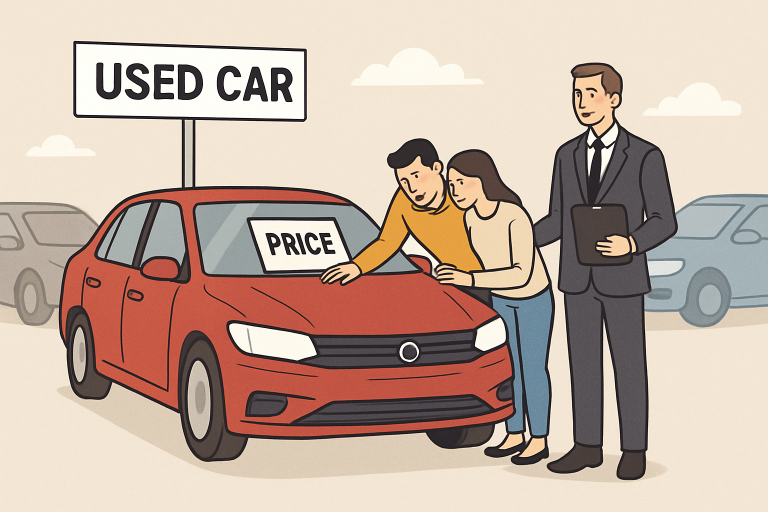
No matter how appealing the deal or how glowing the seller’s description, never finalize a purchase without a thorough test drive. This is your best opportunity to gauge not only the vehicle’s mechanical soundness but also whether its comfort, handling, and features align with your preferences and needs. Begin by observing how the engine starts—listen for abnormal sounds, delays, or excessive smoke. Drive the car on a variety of roads, from stop-and-go city traffic to highways, paying close attention to acceleration, braking response, steering feel, and transmission smoothness. Turn off the radio and listen for any warning noises, vibrations, or rattling that could signal underlying problems. Make sure all key systems, like the headlights, windshield wipers, audio, navigation, and climate controls, are working properly. Even minor quirks or discomforts can become frustrating over time, so take your time to thoroughly evaluate the car and ask questions as needed before reaching a decision.
Negotiate the Price
Armed with inspection results, market research, and a vehicle history report, you’re now in a strong position to negotiate confidently with a seller. Start by referencing used-car pricing guides, such as the well-known Kelley Blue Book, which offers a fair market estimate based on the vehicle’s mileage, condition, features, and your local market conditions. Present printouts of similar listings in your area to demonstrate your knowledge of current pricing trends. Don’t be afraid to point out flaws uncovered during inspection as bargaining chips or to ask for repairs before closing the deal. Remain calm and flexible throughout the negotiation process, and be willing to walk away if you sense the price isn’t fair or the seller is being dishonest. Taking your time and negotiating assertively can save you hundreds, if not thousands, over the life of the vehicle and can make the difference between a risky purchase and a truly smart investment.
Finalize the Purchase
Once a mutually agreeable price has been reached, move carefully through the remaining steps to legally finalize your purchase. Review all paperwork thoroughly, including the bill of sale, vehicle title, emissions and safety test results, and any other applicable disclosure forms. Double-check that the title is clear, showing no outstanding liens or claims, and that all signatures and statements are correctly completed. If the car qualifies for an extended warranty or a protection plan, decide whether it fits your budget and risk tolerance. Arrange car insurance in advance so your coverage is in place immediately upon taking possession of your new car. Only after all details are confirmed and agreed upon should you proceed to make payment and take ownership. These careful measures minimize future headaches and ensure a smooth transition into ownership of your next reliable used car.
By following these expert-backed steps and using trustworthy resources, you can navigate the used-car market with far greater confidence and clarity—while reducing risks and maximizing the value of your investment. With the right strategy, your next used car will deliver years of dependable service and help you drive forward with peace of mind.
