


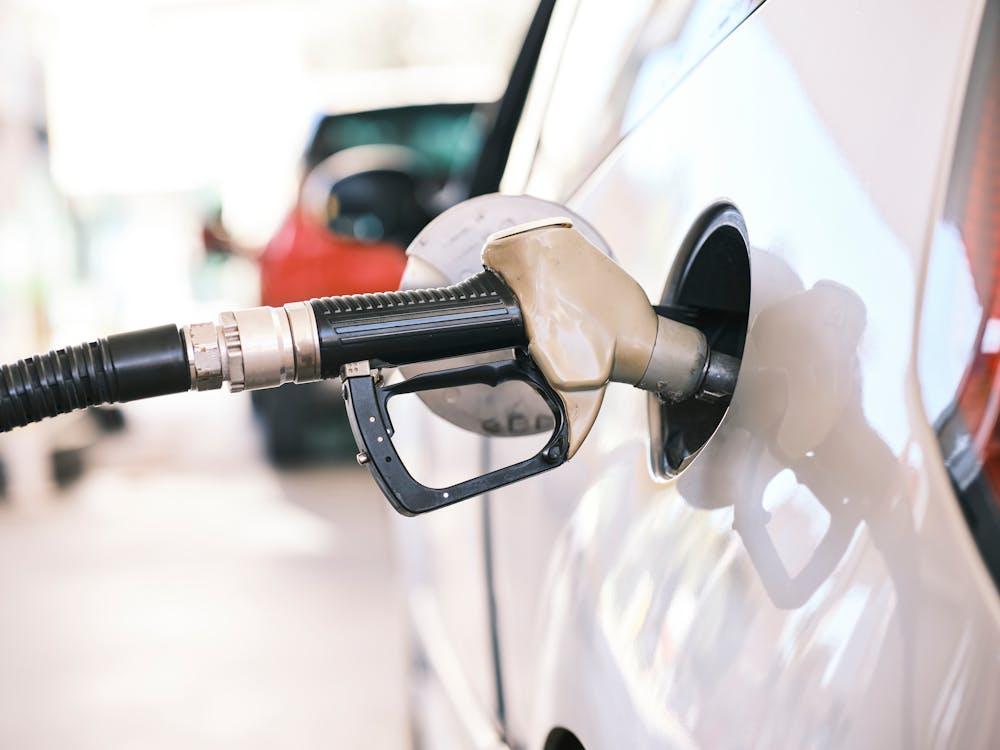
In this article by Vietwheels, we explore the dynamic world of petrol prices in Vietnam, uncovering trends and insights that shape the nation’s economy and fuel consumer choices.
Overview of Petrol Pricing in Vietnam
Petrol prices in Vietnam are a fundamental aspect of the country’s economy, influencing everything from transportation costs to the price of goods and services. As a developing nation with a rapidly growing economy, Vietnam relies heavily on petrol to support its industries, infrastructure, and daily activities of its citizens. Understanding how petrol prices are determined and what factors contribute to their fluctuation is crucial for both consumers and policymakers.
One of the key characteristics of petrol pricing in Vietnam is that it is not entirely driven by market forces. Instead, the government plays a significant role in regulating prices to ensure stability and prevent excessive volatility. This approach aims to balance the interests of consumers, who benefit from lower prices, and petroleum companies, which need to cover their costs and make a profit. The government’s intervention often involves setting a price ceiling or floor, adjusting taxes, and providing subsidies when necessary.
Moreover, petrol prices in Vietnam are influenced by a combination of domestic and international factors. Domestically, the cost of production, distribution, and taxes all contribute to the final price at the pump. Internationally, global oil prices, exchange rates, and geopolitical events can have a substantial impact. As a result, petrol prices in Vietnam are subject to a complex interplay of factors that require careful monitoring and management.
Historical Trends in Petrol Prices
The historical trends in petrol prices in Vietnam reveal a pattern of fluctuations that mirror global oil market dynamics. Over the past few decades, petrol prices have experienced periods of stability as well as sharp increases and decreases. These trends are often linked to major global events, economic cycles, and shifts in government policy.
In the early 2000s, Vietnam saw relatively stable petrol prices, partly due to government subsidies and controlled pricing mechanisms. However, the global financial crisis of 2008 led to a significant spike in oil prices, which was felt across the globe, including in Vietnam. The subsequent economic downturn saw a reduction in demand for oil, leading to a temporary drop in petrol prices.
The 2010s brought further volatility, with prices fluctuating in response to various global and domestic factors. For instance, the rise in global oil prices in the early part of the decade was reflected in higher petrol prices in Vietnam. Conversely, the drop in oil prices in 2014, driven by increased production and a slowdown in global demand, resulted in a corresponding decrease in petrol prices.
In recent years, the COVID-19 pandemic has had a profound impact on petrol prices. The initial lockdowns and travel restrictions led to a dramatic fall in demand for oil, causing prices to plummet. As economies began to recover, demand increased, leading to a gradual rise in petrol prices. This period also highlighted the sensitivity of petrol prices to sudden and unexpected global events.
Factors Influencing Petrol Prices in Vietnam
Several factors influence petrol prices in Vietnam, ranging from domestic considerations to international market dynamics. Understanding these factors is essential for predicting future trends and making informed decisions.
One of the primary domestic factors is the cost of production and distribution. Vietnam imports a significant portion of its crude oil, which is then refined into petrol. The cost of importing crude oil, refining it, and distributing the final product all contribute to the price at the pump. Additionally, taxes and government fees play a crucial role in determining petrol prices. These can include value-added tax (VAT), environmental taxes, and special consumption taxes, all of which are subject to change based on government policy.
Internationally, global oil prices are a major determinant of petrol prices in Vietnam. The price of crude oil is influenced by a variety of factors, including supply and demand dynamics, geopolitical events, and decisions made by major oil-producing countries. For example, actions taken by the Organization of the Petroleum Exporting Countries (OPEC) to cut or increase production can have a significant impact on global oil prices, which in turn affects petrol prices in Vietnam.
Exchange rates also play a crucial role. Since Vietnam imports a large portion of its crude oil, fluctuations in the value of the Vietnamese dong (VND) against the US dollar can affect the cost of imports. A weaker VND makes imports more expensive, leading to higher petrol prices, while a stronger VND can have the opposite effect.
The Role of Government Policies
Government policies play a pivotal role in shaping petrol prices in Vietnam. The Vietnamese government has a history of intervening in the petrol market to stabilize prices and protect consumers from excessive volatility. This intervention can take various forms, including setting price caps, adjusting taxes, and providing subsidies.
One of the key tools the government uses is the price stabilization fund. This fund is designed to smooth out fluctuations in petrol prices by absorbing some of the cost increases or decreases. When global oil prices rise, the fund can be used to subsidize the difference, preventing a sharp increase in retail prices. Conversely, when prices fall, the government can reduce subsidies, ensuring that prices do not drop too quickly.
Taxation is another critical lever. The government can adjust taxes on petrol to influence prices. For example, reducing taxes during periods of high oil prices can help mitigate the impact on consumers, while increasing taxes when prices are low can generate additional revenue for the state. Environmental taxes are also used to encourage more sustainable consumption patterns and reduce the environmental impact of petrol use.
Subsidies are sometimes provided to certain sectors or groups to shield them from high petrol prices. For instance, subsidies may be given to public transportation providers to keep fares affordable or to agricultural producers to reduce their operating costs. These subsidies can help maintain economic stability and support vulnerable populations.
Global Oil Market Impact on Vietnam’s Petrol Prices
The global oil market has a profound impact on petrol prices in Vietnam due to the interconnected nature of global trade and the country’s reliance on imported crude oil. Changes in global oil prices can quickly translate into changes at the petrol pump in Vietnam.
One of the key factors in the global oil market is supply and demand dynamics. When global demand for oil increases, prices tend to rise, which can lead to higher petrol prices in Vietnam. Conversely, when demand decreases, as seen during the COVID-19 pandemic, prices can fall. Supply-side factors, such as production levels in major oil-producing countries, also play a crucial role. Decisions by OPEC and other major producers to increase or cut production can lead to significant price movements.
Geopolitical events are another important factor. Conflicts in oil-producing regions, such as the Middle East, can disrupt supply chains and lead to price spikes. Political decisions, such as sanctions on major oil producers, can also affect global oil prices. For example, sanctions on Iran have reduced its oil exports, leading to tighter supply and higher prices.
Finally, technological advancements and alternative energy sources are influencing the global oil market. The rise of electric vehicles (EVs) and renewable energy sources is gradually reducing the world’s reliance on oil. While this transition is still in its early stages, it has the potential to significantly impact global oil prices in the long term, and by extension, petrol prices in Vietnam.
Regional Variations in Petrol Pricing
Petrol prices in Vietnam can vary significantly across different regions due to a variety of factors. These regional variations are influenced by logistics, local demand, and regional economic conditions.
Logistics and transportation costs are major factors contributing to regional price differences. Petrol needs to be transported from refineries to various parts of the country, and the cost of this transportation can vary based on distance and infrastructure. Regions that are further away from major refineries or have less developed transportation networks may experience higher petrol prices due to increased delivery costs.
Local demand also plays a role. Urban areas with higher population densities and more vehicles typically have higher demand for petrol, which can drive prices up. Conversely, rural areas with lower demand may see slightly lower prices. However, this is not always the case, as rural areas can also face higher logistics costs, leading to higher prices despite lower demand.
Regional economic conditions and government policies can further influence petrol prices. For example, certain regions may receive subsidies or tax breaks to promote economic development, which can result in lower petrol prices. Additionally, regional economic activity, such as tourism or industrial production, can affect local demand and pricing.
Consumer Behavior and Petrol Consumption Patterns
Consumer behavior and petrol consumption patterns in Vietnam are shaped by a variety of factors, including income levels, urbanization, and transportation infrastructure. Understanding these patterns is crucial for predicting future demand and pricing trends.
Income levels are a significant determinant of petrol consumption. Higher-income households tend to own more vehicles and travel more frequently, leading to higher petrol consumption. Conversely, lower-income households may rely more on public transportation or non-motorized modes of travel, resulting in lower petrol usage. As Vietnam’s economy continues to grow and more people enter the middle class, petrol consumption is likely to increase.
Urbanization is another key factor. As more people move to cities, the demand for personal and public transportation rises. Urban residents are more likely to own cars or motorcycles and use them for daily commuting, shopping, and leisure activities. The rapid urbanization in cities like Hanoi and Ho Chi Minh City has led to increased petrol consumption and higher traffic congestion, which further drives up demand.
Transportation infrastructure also influences consumption patterns. Areas with well-developed public transportation systems, such as buses and trains, may see lower petrol consumption as people opt for these alternatives. Conversely, regions with limited public transportation options may have higher petrol consumption as residents rely more on private vehicles. Investments in transportation infrastructure, such as expanding public transit networks, can help reduce petrol demand and promote more sustainable transportation options.
Future Predictions for Petrol Prices in Vietnam
Predicting future petrol prices in Vietnam involves analyzing a complex interplay of factors, including global oil market trends, domestic economic conditions, and government policies. While exact predictions are challenging, certain trends can offer insights into the likely direction of petrol prices.
One key factor is the global oil market. As the world transitions to more sustainable energy sources, the demand for oil is expected to gradually decline. This shift could lead to lower global oil prices in the long term, which would benefit petrol consumers in Vietnam. However, in the short to medium term, oil prices may remain volatile due to geopolitical events and fluctuations in supply and demand.
Domestically, Vietnam’s economic growth will play a crucial role. As the economy continues to expand, demand for petrol is likely to increase, putting upward pressure on prices. However, government policies aimed at promoting energy efficiency and alternative energy sources could help mitigate this demand growth. Investments in public transportation and incentives for electric vehicles are examples of measures that can reduce petrol consumption and stabilize prices.
Government policies will continue to be a major influence. The Vietnamese government is likely to maintain its role in regulating petrol prices to ensure stability and protect consumers. Adjustments to taxes, subsidies, and price stabilization mechanisms will be key tools in managing prices. Additionally, efforts to diversify energy sources and reduce reliance on imported crude oil can enhance energy security and reduce vulnerability to global oil price fluctuations.
Strategies for Consumers to Manage Fuel Costs
Given the potential for petrol price fluctuations, consumers in Vietnam can adopt several strategies to manage their fuel costs effectively. By making informed choices and adopting fuel-efficient practices, individuals can reduce their petrol expenses and contribute to more sustainable consumption patterns.
One effective strategy is to improve fuel efficiency. Simple measures, such as regular vehicle maintenance, proper tire inflation, and avoiding excessive idling, can help improve fuel efficiency and reduce consumption. Additionally, driving at moderate speeds and avoiding rapid acceleration and braking can further enhance fuel economy. For those considering a new vehicle purchase, opting for fuel-efficient models or hybrid/electric vehicles can lead to significant long-term savings.
Carpooling and ridesharing are other practical solutions. By sharing rides with others, individuals can reduce the number of vehicles on the road and lower their fuel costs. Carpooling is particularly beneficial for daily commutes and regular trips, as it allows multiple passengers to share the cost of petrol. Ride-sharing services can also provide a convenient and cost-effective alternative to owning a private vehicle, especially in urban areas.
Using public transportation is another effective way to manage fuel costs. Buses, trains, and other forms of public transit offer an affordable and efficient alternative to driving. By taking advantage of public transportation options, individuals can reduce their reliance on petrol and lower their overall transportation expenses. Additionally, walking or cycling for short trips can provide health benefits while saving on fuel costs.
Conclusion: The Future of Petrol Pricing in Vietnam
The future of petrol pricing in Vietnam will be shaped by a combination of global and domestic factors, including oil market dynamics, economic growth, and government policies. While predicting exact prices is challenging, understanding the key drivers and trends can help consumers and policymakers make informed decisions.
As Vietnam continues to develop and urbanize, the demand for petrol is likely to increase, putting pressure on prices. However, efforts to promote energy efficiency, alternative energy sources, and sustainable transportation options can help mitigate this demand growth. Government interventions, such as price stabilization mechanisms, tax adjustments, and subsidies, will play a crucial role in managing petrol prices and ensuring stability.
Consumers can also take proactive steps to manage their fuel costs by adopting fuel-efficient practices, carpooling, using public transportation, and considering alternative energy vehicles. By making informed choices and embracing sustainable consumption patterns, individuals can reduce their petrol expenses and contribute to a more sustainable future.
In conclusion, understanding the trends and insights that shape petrol prices in Vietnam is essential for navigating the dynamic world of fuel costs. By staying informed and adopting practical strategies, consumers can manage their expenses and support a more sustainable and resilient economy.
Xe oto cũ – on behalf of the VietWheels team, we wish you the best in finding your dream car sale in Vietnam! For the latest auto trends and insights about car sales in Vietnam, visit our News and Articles page.
