


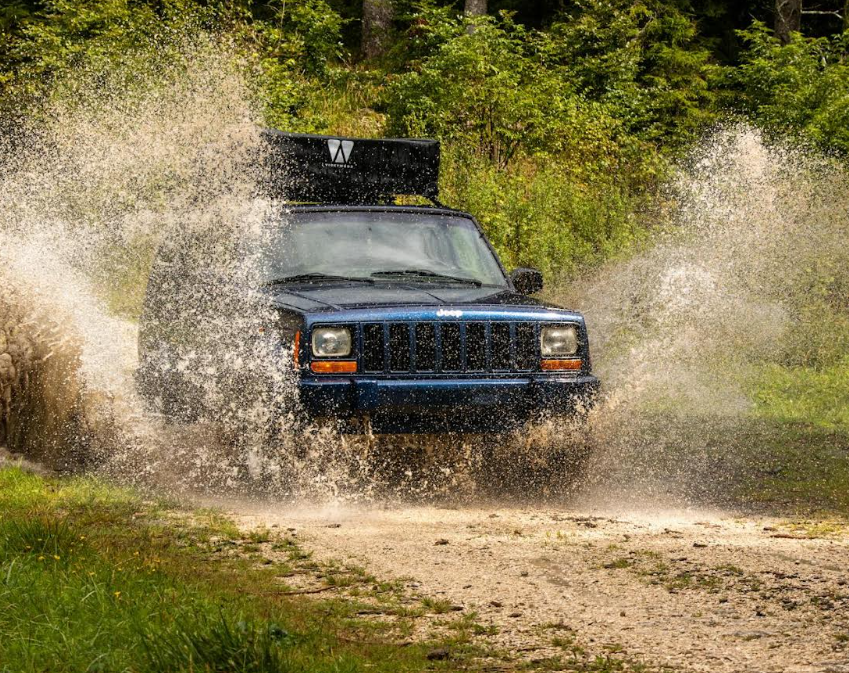
There’s something genuinely magical about leaving the pavement behind and venturing into the wild unknown on an offroad vehicle. The rush you get from tackling challenging terrain, breathing in fresh mountain air, and experiencing nature’s raw beauty creates memories that stick with you long after the dust settles. But here’s the thing, while offroad riding delivers unmatched excitement, it’s not something to approach casually. The unpredictable nature of wilderness trails demands respect, preparation, and a solid understanding of what you’re getting into.
Essential Safety Gear for Offroad Adventures
Let’s talk about the gear that could literally save your life out there. A DOT-approved helmet designed specifically for offroad conditions isn’t just recommended, it’s absolutely essential. These helmets differ from street versions with better ventilation, an extended sun visor, and a shape that accommodates goggles comfortably. Your feet and ankles take a beating on rough trails, so quality riding boots with solid ankle support aren’t optional either.
Pre-Ride Vehicle Inspection and Maintenance
Nothing kills an adventure faster than a mechanical breakdown twenty miles from the nearest road. That’s why smart riders develop a pre-ride inspection routine that becomes second nature. Start with your tires, check pressure and tread depth, because proper inflation makes all the difference between confident cornering and sketchy slides on loose terrain. Your brakes deserve special attention too.
Understanding Terrain and Trail Selection
Here’s where many new riders make critical mistakes, they overestimate their abilities and underestimate the terrain. Choosing trails that match your current skill level isn’t about playing it safe; it’s about building competence progressively. Beginners benefit from starting with well-groomed trails featuring manageable slopes and minimal technical challenges, then gradually progressing as their confidence and skills grow. For those just starting their offroad journey, a 125 CC ATV provides an ideal platform for learning fundamental techniques on beginner-friendly trails while building confidence in varied conditions. Before heading out, do your homework by checking with local riding clubs, scanning online forums, or talking with park rangers about current trail conditions. They’ll tell you about recent weather impacts, seasonal closures, or trail changes that maps might not reflect yet. Different terrain types demand different approaches, loose gravel requires smooth, steady throttle control, mud needs momentum to keep you moving forward, and rocky sections test your ability to pick clean lines through obstacles. Trail markings and difficulty ratings exist for good reason, so respect them. Riding with experienced friends who know the area provides invaluable local knowledge that you simply can’t get from maps or guidebooks. They’ve learned which sections flood after rain, where wildlife frequently crosses, and which alternate routes exist when conditions deteriorate.
Mastering Basic Offroad Riding Techniques
Technique separates riders who flow through challenging terrain from those who fight their machines every inch of the way. Body positioning matters more than most beginners realize. Standing on your footpegs during technical sections, keeping your knees bent and elbows loose, allows your bike or ATV to move independently beneath you while you absorb impacts naturally. This active riding stance transforms you from a passive passenger into an integral part of the suspension system.
Emergency Preparedness and Communication
Hope for the best, but prepare for the worst, that’s the offroad rider’s motto when it comes to emergency readiness. A well-stocked first aid kit should include bandages, antiseptic wipes, pain relievers, and any personal medications you require. Don’t just throw it in your pack and forget about it; know how to use everything in there. Pack a quality multi-tool, spare parts like tubes or spark plugs, duct tape, zip ties, and basic tools matched to your specific vehicle.
Environmental Responsibility and Trail Etiquette
The privilege of riding offroad comes with serious responsibilities toward the land and other trail users. Staying on designated trails isn’t just a suggestion, it’s how we prevent erosion, protect sensitive vegetation, and maintain access for future riders. The temptation to create new paths or cut switchbacks might feel harmless in the moment, but it damages ecosystems that took decades to develop. Wildlife deserves our respect and distance.
Conclusion
Offroad exploration delivers an intoxicating blend of adventure, skill development, and natural beauty that few other activities can match. The challenges you overcome, the techniques you master, and the incredible landscapes you experience create a connection with the outdoors that goes beyond simple recreation. By prioritizing safety through proper protective gear, thorough vehicle maintenance, smart trail selection, and mastery of fundamental riding techniques, you’re setting yourself up for years of incredible adventures. Remember that nobody becomes an expert overnight, developing solid offroad skills takes time, patience, and a willingness to learn from both successes and mistakes.
