


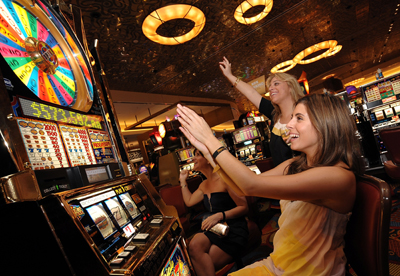
Casinos thrive on games of chance, but among all the options—blackjack, poker, roulette—slot machines dominate the floor. These bright, flashing, endlessly spinning machines are the backbone of casino revenue. While table games bring in high-rolling players, slot machines generate consistent, reliable income. But why do casinos put so much emphasis on them?
The Revenue King: How Slots Make Money
High Profit Margins
Slot machines are designed to be profitable. Unlike table games, where skilled players can reduce the house edge, slot machines rely purely on luck. This ensures a steady stream of revenue for casinos. Mancingduit, depending on the game and location.
Additionally, slot machines operate at a faster pace than table games. A single spin takes just a few seconds, whereas a hand of blackjack or a round of roulette takes much longer. This high turnover rate means more money is put into play, increasing casino profits.
Minimal Overhead Costs
Table games require dealers, supervisors, and extra staff to manage the gameplay. In contrast, slot machines are automated. Once installed, they require little maintenance and can run 24/7 without breaks. This significantly reduces labor costs, making slots one of the most cost-effective ways for casinos to make money.
Consistent Player Spending
Slot players tend to spend more steadily over time compared to table game players. A poker player might sit down with a set bankroll and leave once it’s gone, but slot players often keep feeding money into the machines. The psychological design of slot machines encourages continued play, keeping players engaged longer.
The Psychology Behind Slot Machines
Designed for Maximum Engagement
Casinos don’t just place slot machines randomly—they carefully design layouts to maximize engagement. Machines are placed in strategic locations to lure players in, with enticing sounds and flashing lights that create an immersive experience.
One of the biggest psychological tricks is the “near-miss” effect. Players often see results that look like they were just one symbol away from winning big. This makes them feel like a win is right around the corner, encouraging them to keep playing.
Random Rewards and the Dopamine Effect
Slot machines use a system called a “random reward schedule,” which is the same principle behind addictive behaviors like gambling and social media scrolling. Players don’t win on every spin, but when they do, it triggers a dopamine rush—the brain’s reward chemical. This unpredictable reward pattern keeps players hooked, making them return again and again.
The Illusion of Control
Some slot machines allow players to stop the reels manually, giving them a false sense of control over the outcome. In reality, the game is still entirely based on chance. This illusion keeps players engaged, believing their actions influence their results when they don’t.
Why Casinos Keep Expanding Their Slot Machine Sections
Technology and Innovation
Modern slot machines are far more advanced than their mechanical predecessors. Digital technology has introduced video slots with elaborate themes, interactive bonus rounds, and progressive jackpots. These innovations attract a wider audience, including younger players who may not be interested in traditional casino games.
Online gambling has also contributed to the evolution of slot machines. Many physical casinos now integrate digital gaming experiences, allowing players to transition seamlessly between land-based and online slots. The inclusion of mobile gaming further expands their reach.
Attracting a Diverse Audience
Slot machines appeal to a broad range of players. Unlike poker or blackjack, which require skill and strategy, slots are easy to play—just press a button and watch the reels spin. This accessibility attracts casual gamblers, tourists, and players who might feel intimidated by table games.
Additionally, slot machines cater to various budgets. Players can choose machines with different denominations, from penny slots to high-limit machines, making them accessible to both low-stakes players and high rollers.
Loyalty Programs and Incentives
Casinos use slot machines to drive their loyalty programs. Many slot machines are linked to player reward systems, tracking every dollar spent. Mancingduit, meals, hotel stays, and other perks. This system encourages repeat visits and long-term customer loyalty.
The Future of Slot Machines in Casinos
Integration with New Technologies
The gambling industry is constantly evolving, and slot machines are at the forefront of innovation. Some trends shaping the future of slot machines include:
- Virtual Reality (VR) Slots – Immersive experiences that make slot gaming more interactive.
- Skill-Based Slots – Blending elements of traditional video games with slot mechanics to attract younger players.
- Cryptocurrency and Digital Payments – More casinos are adopting digital payment methods, allowing players to use cryptocurrencies for slot play.
Expansion into Online Casinos
The rise of online casinos has further cemented the dominance of slot machines. Many online platforms feature thousands of slot games, drawing in millions of players worldwide. The convenience of playing from home, combined with enticing bonuses and promotions, ensures that slot machines remain a primary revenue source for both physical and digital casinos.
Conclusion
Slot machines are the lifeblood of casinos because they offer high profitability, low maintenance costs, and widespread player appeal. Their psychological design keeps players engaged, while technological advancements continue to make them more immersive and accessible. With innovations like VR, skill-based gaming, and online integration, the future of slot machines remains bright. Casinos will continue to rely on them as a key revenue driver, ensuring their place as the most popular attraction on the gaming floor.
