


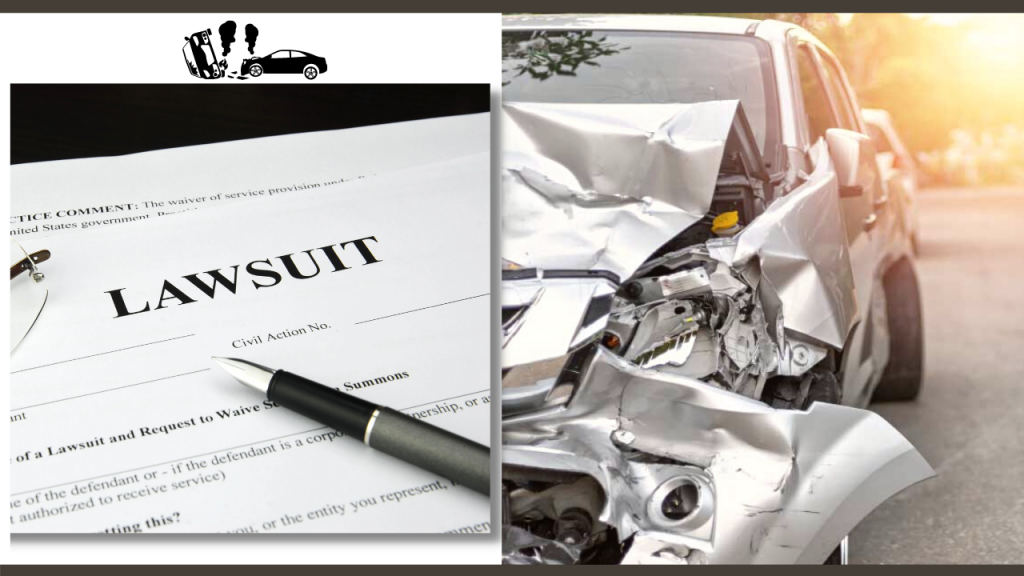
Car accidents can happen in seconds, but the impact can last for months or even years. Whether it’s a minor fender bender or a serious crash, one thing remains true—the evidence fades fast. From skid marks on the road to witness memories, everything starts to disappear with time. And without solid proof, your case could be at risk, even if you weren’t at fault.
That’s why acting fast matters. The steps you take right after a crash can shape the outcome of your legal claim. Whether you’re gathering photos, getting witness statements, or requesting camera footage, it’s all about building a strong foundation. And most importantly, don’t go through it alone—seeking experienced legal help for car accident cases is essential to make sure your rights are fully protected from the start.
Why Time Matters More Than You Think
After a car crash, your first instinct might be to focus on your injuries or call your insurance company. But waiting too long to collect evidence can hurt your chances of getting fair compensation. Roads get cleared. Cars get repaired. Security camera footage is often deleted within days. Even the smallest delay can erase valuable proof that could support your side of the story.
Memories fade too. Witnesses who were clear on what they saw right after the accident might forget details after a few weeks. That’s why it’s smart to act quickly while everything is still fresh.
What Kind of Evidence Should You Preserve?
Not all evidence is physical. Here are the key types of evidence that can help your case:
- Photos and Videos: Take pictures of the accident scene, vehicle damage, road signs, skid marks, and injuries. Videos are even better if available.
- Witness Statements: Get names and contact details of people who saw the crash. Ask for their version of what happened while it’s still clear in their minds.
- Police Report: This official document is often crucial. It contains details about what happened, who was involved, and sometimes even who was at fault.
- Medical Records: These show the extent of your injuries and connect them directly to the accident.
- Dashcam or Surveillance Footage: Footage from traffic cameras or nearby businesses can be powerful evidence. But this data often gets deleted quickly, so time is key.
How Fast Should You Act?
Immediately. There’s no other way to put it. The sooner you start preserving evidence, the better. Even waiting a few days can be enough for critical proof to vanish. Take photos at the scene if you can. Go to a doctor right away. Call a lawyer early. Acting fast keeps your story intact and builds a strong case from the beginning.
What Happens If You Don’t Preserve Evidence?
Without solid proof, your case becomes a game of “he said, she said.” Insurance companies may deny your claim or offer a much lower settlement. They may argue that your injuries weren’t serious or weren’t even caused by the crash. When you don’t have evidence, you lose your power to fight back.
Worse, if the other driver has their own evidence and you don’t, it can completely change the outcome of your claim. That’s why preservation isn’t just helpful—it’s necessary.
How a Lawyer Can Help Right Away
A lawyer doesn’t just file paperwork. They know exactly what evidence to collect, how to preserve it, and how to use it to strengthen your claim. Many law firms work with accident reconstruction experts, private investigators, and medical professionals to gather all the facts. With the right support, you’re not just reacting to the crash—you’re taking control of the legal process.
Final Thoughts
Car accidents are stressful enough without having to worry about missing details that could make or break your case. But the truth is, evidence doesn’t wait. If you want a fair outcome, you have to act quickly. Capture the moment. Talk to witnesses. Save every detail you can. Most importantly, don’t hesitate to get legal guidance early. Preserving evidence might seem like a small step—but it’s one of the biggest things you can do to protect your future.
