



Understanding Your Car’s True Worth Before You Shop
Before you even step foot into a dealership, understanding the true value of your current vehicle is paramount. This knowledge empowers you during negotiations, whether you’re trading it in or selling it privately. Kelley Blue Book (KBB) has been a trusted name in the auto industry since 1926, and their “What’s My Car Worth” tool is an invaluable resource for this initial step.
KBB’s tool provides a comprehensive valuation by analyzing a vast dataset of actual transactions. It considers both wholesale and retail transactions to give you a 360-degree view of the market. This thorough approach helps us understand not just what a dealer might offer, but also what a private buyer would realistically pay.
When we talk about your car’s worth, it’s not a single, fixed number. KBB provides several types of values, each relevant to a different selling scenario:
- Trade-in Value: This is the amount a dealership is likely to offer you if you trade in your vehicle as part of a new car purchase. It’s typically lower than other values because the dealership incurs costs for reconditioning, marketing, and profit margins.
- Private Party Value: This represents the price you could expect to get if you sell your car directly to another individual. Selling privately often yields a higher return, but it requires more effort on your part, including advertising, showing the car, and handling paperwork.
- Instant Cash Offer: This is a firm offer from a participating dealer to buy your car outright, often within a short timeframe. It’s based on a detailed assessment of your vehicle and local market demand. You can explore options like the kbb instant cash offer on a participating dealer’s website to see how this works.
The accuracy of KBB values is generally high because they are constantly updated (at least weekly) to reflect current market conditions, regional demand, and seasonal trends. However, these values are educated estimates, not guaranteed prices. The final transaction price can vary based on the specific dealership, your negotiation skills, and the precise condition of your vehicle.
To help you decide the best selling strategy, here’s a comparison:
Feature Trade-In Private Party Sale Convenience High (one-stop shop, no paperwork hassle) Low (requires effort for advertising, showing, paperwork) Potential Value Lower (dealer profit and reconditioning costs) Higher (you capture more of the retail value) Speed Fast (part of a larger transaction) Variable (depends on market demand and effort) Liability Minimal (dealer handles post-sale issues) Higher (potential for buyer complaints) Effort Low High The Key Factors Influencing Your Car’s Value
Several elements come together to determine your car’s KBB value. Understanding these factors allows you to present your vehicle accurately and negotiate effectively.
- Year, Make, and Model: These are the foundational identifiers. Newer models generally hold more value, and certain makes and models have higher demand and better resale value than others.
- Condition Assessment: This is perhaps the most subjective yet critical factor. KBB uses four main condition levels:
- Excellent: Mechanically sound, no cosmetic defects, clean title, low mileage. Only about 3% of vehicles truly fit this description.
- Very Good: Minor cosmetic defects, excellent mechanical condition, well-maintained.
- Good: Some cosmetic defects, good mechanical condition, may need minor repairs. Most cars fall into this category.
- Fair: Significant cosmetic and/or mechanical defects, requires repairs to be fully functional. It’s easy to overinflate your car’s condition, but honesty is crucial for an accurate valuation.
- Mileage: Lower mileage generally translates to higher value, as it suggests less wear and tear. However, as we’ll discuss later, mileage isn’t the only factor.
- Factory Options and Trim Level: Premium trim levels, desirable packages (e.g., navigation, sunroof, advanced safety features), and factory-installed accessories can significantly boost your car’s value. Aftermarket modifications, however, generally do not add reportable value, as their quality and appeal are inconsistent.
- Local Market Demand & Seasonality: KBB’s values are highly localized. What a car is worth in Cincinnati might differ from its value in another state due to regional preferences, economic conditions, and even seasonal buying patterns. The Kelley Blue Bookae Fair Market Range is based on actual dealership transactions, auction sales, online vehicle listings, and analytics, all adjusted for these local and seasonal factors.
How to Get an Accurate Valuation
Using the KBB “What’s My Car Worth” tool is straightforward, but precision in your input is key to getting the most accurate estimate.
- Visit the KBB Website: Start by navigating to the Instant Used Car Value & Trade-In Value | Kelley Blue Book page.
- Enter Your Vehicle Information: You’ll typically start by entering your car’s license plate number or VIN (Vehicle Identification Number). If you don’t have these handy, you can manually input the year, make, model, and mileage.
- Specify Your Location: Your ZIP code is essential for KBB to provide localized values, as market conditions vary by region.
- Select Your Car’s Style/Trim: Be as specific as possible here. The difference between a base model and a top-tier trim can be thousands of dollars.
- Add Options and Features: Carefully select all the factory-installed options your car has, such as premium audio, leather seats, sunroof, or specific wheel packages.
- Assess Your Car’s Condition: This is where many people make mistakes. KBB offers a “Condition Quiz” to guide you through a series of questions about your car’s interior, exterior, and mechanical state. Be honest and critical. Minor dents, scratches, or a worn interior will impact the value.
- Broken Equipment: If your car has a broken component, like a non-functioning AC, you should still indicate that the car has AC, but factor in the repair cost. KBB suggests deducting the estimated repair cost from the total vehicle price, unless the repair cost exceeds the value of the item itself.
- Review History and Title: A clear title is crucial. Vehicles with a salvage title (meaning it was declared a total loss by an insurance company) will have a significantly reduced value, typically 20% to 40% lower than a clean title vehicle. KBB generally recommends a private appraisal for such vehicles due to the complexity.
- Get Your Value: After completing these steps, KBB will provide you with a range of values (Trade-in, Private Party, etc.) based on your inputs.
An example of the Kelley Blue Book valuation tool interface, guiding users through vehicle details.
Common misconceptions about car valuation often stem from emotional attachments or a lack of understanding of market dynamics. KBB addresses these by providing data-driven ranges rather than single fixed prices, encouraging users to be realistic about their car’s condition, and explaining the factors that influence value. They also explicitly state that aftermarket equipment typically doesn’t add value, helping to manage expectations.
Navigating New, Used, and Certified Pre-Owned (CPO) Options
Once you have a clear understanding of your current car’s worth, the next step in getting a great deal is to research your next vehicle. The market offers a range of choices: brand-new, used, or Certified Pre-Owned (CPO). Each comes with its own set of considerations, and KBB provides valuable insights for all of them.
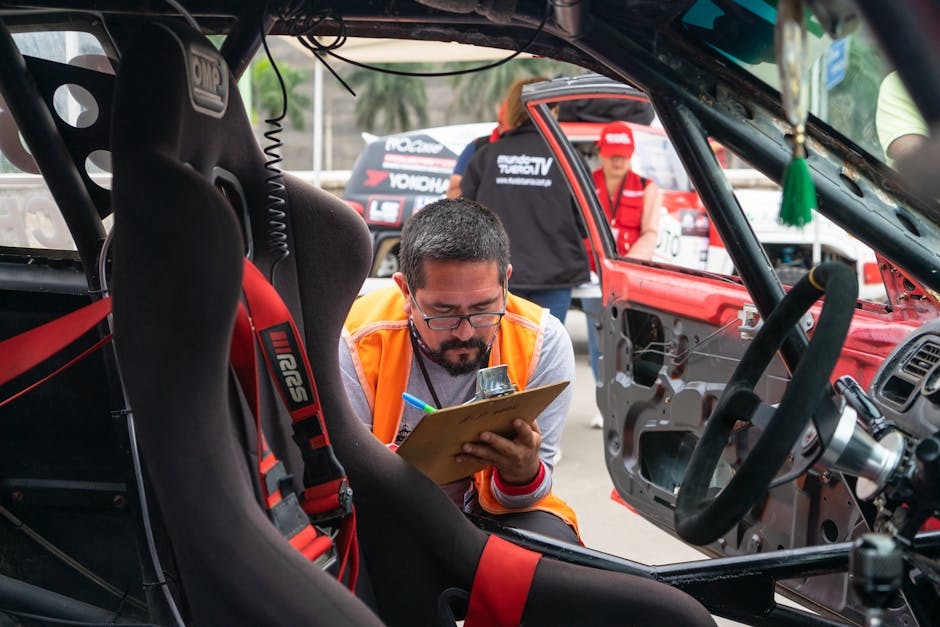
A detailed CPO inspection checklist, highlighting the thoroughness of the certification process.
For new cars, KBB offers the Fair Market Range and Fair Purchase Price. These go beyond the Manufacturer’s Suggested Retail Price (MSRP) and dealer invoice to show you what others in your area are actually paying. This is based on massive amounts of data, including actual transactions, adjusted for seasonal trends and local market conditions in over 100 geographical regions.
For used cars, KBB provides a Typical Listing Price (what you might see at a dealership) and a Used Car Fair Market Range/Fair Purchase Price (what you can expect to pay). These values are derived from thousands of actual sales, helping you evaluate if a deal is fair. KBB also provides values for used vehicles up to 21 years old, demonstrating their extensive data coverage.
The Difference Between Used and CPO Cars
Understanding the distinction between a standard used car and a Certified Pre-Owned (CPO) vehicle is crucial for making an informed purchase.
- Standard Used Car: These vehicles are sold “as is” by dealerships or private sellers. While dealerships may perform basic inspections, they generally do not come with an extended manufacturer’s warranty or the same level of reconditioning as CPO vehicles.
- Certified Pre-Owned (CPO) Car: CPO vehicles are essentially top-quality, inspected used cars backed by manufacturer’s warranties. They typically meet strict criteria:
- Age and Mileage Limits: CPO cars are usually less than 5 years old and have fewer than 100,000 miles.
- Rigorous Inspection Process: They undergo a comprehensive, multi-point inspection (often 100+ points) by factory-trained technicians. Any components that don’t meet the manufacturer’s standards are reconditioned or replaced.
- Manufacturer Warranty: This is a key benefit. CPO vehicles come with an extended warranty from the manufacturer, providing peace of mind beyond the original factory warranty.
- Additional Perks: Many CPO programs include benefits like roadside assistance, complimentary maintenance, and even new car loan rates.
While CPO vehicles often come with a higher price tag than comparable non-CPO used cars, the added assurance of a thorough inspection and extended warranty can make them a worthwhile investment for many buyers. KBB also provides a Fair Purchase Price and Fair Market Range specifically for Certified Pre-Owned vehicles, allowing you to gauge their value accurately.
Is Age or Mileage More Important in a Used Car?
This is a common question, and the answer isn’t as simple as one being definitively more important than the other. Both age and mileage play a role, but the vehicle’s maintenance history and how it was treated are often more crucial.
- Mileage: High mileage can indicate more wear and tear on mechanical components. However, a newer car with high mileage (e.g., a 2-year-old car with 80,000 miles from a long-distance commuter) might be in excellent condition if it received consistent maintenance.
- Age: Older cars, even with low mileage, can suffer from component deterioration. Rubber hoses, belts, and seals can degrade over time regardless of how little the car was driven.
A well-maintained vehicle, regardless of its age or mileage, will generally be a better purchase. This is why thorough inspection is paramount. We strongly recommend having any used vehicle inspected by your own trusted mechanic or an independent inspection service like Alliance Inspection Management (AiM). They can provide an unbiased assessment of the vehicle’s true condition.
Here are key items to check on any used car:
- Vehicle History Report: Obtain a Carfax or AutoCheck report to check for accidents, title issues, service records, and previous ownership.
- Tires: Look for uneven wear, which could indicate alignment issues or suspension problems.
- Brakes: Listen for squealing or grinding, and feel for pulsations during a test drive.
- Fluids: Check the color and level of oil, transmission fluid, brake fluid, and coolant.
- Engine: Listen for unusual noises (ticking, knocking), check for smoke from the exhaust, and look for leaks.
- Interior: Inspect for excessive wear, tears, stains, and ensure all electronics (radio, AC, windows) are functional.
- Exterior: Look for rust, mismatched paint (indicating previous repairs), and any signs of body damage.
- Test Drive: Pay attention to steering, suspension, transmission shifts, and any warning lights on the dashboard.
How to Prepare for Your Visit to a Mazda Dealership in Cincinnati
Preparation is your most powerful tool when buying a car. Walking into a dealership armed with knowledge and a clear plan will significantly improve your chances of getting the best deal.
Organizing your paperwork and finances before visiting a dealership can streamline the car-buying process.
Our preparation should cover financial readiness, necessary documentation, and a clear understanding of what you’re looking for.
Researching Inventory at a Mazda Dealership in Cincinnati
Before you visit, spend time researching the specific Mazda models that interest you. Understand the different trim levels, available features, and optional packages. This allows you to narrow down your choices and articulate your preferences clearly to the sales team.
For example, if you’re interested in a Mazda CX-5, research the Sport, Touring, Carbon Edition, and Grand Touring trims. Compare their standard features, engine options, and safety technologies. Knowing these details will prevent you from being swayed by features you don’t need or missing out on ones you truly want.
You can easily explore the current inventory and available models by visiting a local Mazda Dealership Cincinnati online. Their websites often provide detailed specifications, photos, and pricing for new, used, and CPO vehicles. This online research helps you identify specific vehicles that match your budget and needs before you even leave your home.
Once you’ve identified a few potential vehicles, it can also be helpful to note stock numbers or VINs, so you can quickly reference them when you arrive at the showroom. Many shoppers bring a simple checklist that includes must-have features (such as all-wheel drive or advanced safety tech), nice-to-have options, and firm deal-breakers. This keeps the conversation focused and minimizes the chances of impulse decisions.
What to Expect from a Top Mazda Dealership in Cincinnati
A reputable dealership understands that an informed customer is a satisfied customer. When you visit a top Mazda dealership, you should expect:
- Transparent Pricing: They should be open about their pricing, including the Kelley Blue Book Fair Market Range and Fair Purchase Price for their vehicles. This transparency builds trust and allows you to compare their offers with your research.
- No-Pressure Sales Environment: A good dealership focuses on helping you find the right vehicle for your needs, rather than pushing for a quick sale.
- Knowledgeable Staff: The sales team should be well-versed in the Mazda lineup, able to answer your questions about features, specifications, and technology.
- Excellent Customer Service: From the moment you arrive to after-sale support, the dealership should prioritize your experience.
To make the most of your visit, consider preparing a short list of questions about ownership costs and long-term value. Ask about recommended maintenance intervals, typical service pricing, and any loyalty or service programs the dealership offers. Clarifying these items up front can help you compare not only sticker prices, but also what it will realistically cost to live with the vehicle over several years.
Bringing along copies of your pre-approval letter, proof of insurance, and a recent pay stub can also speed up the process if you decide to move forward the same day. Even if you do not plan to buy immediately, having these documents on hand lets the finance team give you more accurate payment estimates and term options, helping you refine your budget before you commit.
The Test Drive and Final Negotiations
The test drive is your opportunity to experience the vehicle and ensure it meets your expectations. The negotiation phase is where your research into your current car’s value and the target car’s fair price truly pays off.

A couple enjoying a test drive in a Mazda SUV, an essential step in the car-buying journey.
Making the Most of Your Test Drive
Don’t rush the test drive. Plan a route that includes various road conditions – city streets, highways, and perhaps some turns or hills. Pay attention to:
- Seat Comfort and Ergonomics: Are the seats supportive? Can you comfortably reach all controls?
- Visibility: Check blind spots and overall visibility from the driver’s seat.
- Steering and Handling: Does the car feel responsive? Is the steering precise?
- Engine and Transmission Performance: Does the engine accelerate smoothly? Are the transmission shifts seamless?
- Brake Performance: Do the brakes feel firm and responsive, without pulling to one side?
- Interior Noise Levels: How quiet is the cabin at various speeds?
- Technology Features: Test out the infotainment system, navigation, and any advanced driver-assistance systems.
Bring a friend or family member for a second opinion. They might notice things you miss.
Negotiating a Fair Price
This is where your KBB research becomes your strongest asset.
- Know Your Target Price: Based on the KBB Fair Purchase Price for the specific new or used Mazda you’re interested in, you should have a clear idea of what constitutes a fair deal.
- Focus on the “Out-the-Door” Price: Don’t just negotiate the vehicle’s price. Ask for the total “out-the-door” price, which includes all taxes, fees, and additional charges. This prevents surprises later.
- Separate Trade-In Negotiation: If you’re trading in your current vehicle, negotiate the price of the new car first. Once that’s settled, then discuss your trade-in value. This prevents the dealer from shifting money between the two transactions. Use your KBB Trade-in Value as your baseline.
- Resist Unnecessary Add-ons: Dealerships may offer extended warranties, paint protection, or other add-ons. While some may be valuable, be prepared to decline those you don’t need or can get cheaper elsewhere.
- Be Prepared to Walk Away: The power of walking away is immense. If you don’t feel you’re getting a fair deal, be ready to leave. There are always other options.
Frequently Asked Questions about Buying a Car
Navigating the car market often brings up common questions. Here, we address some of them to further empower your decision-making.
What’s the difference between trade-in value and private party value?
As we discussed, the trade-in value is what a dealership will offer you for your car when you’re buying another vehicle from them. It’s typically lower because the dealership needs to recondition the car, market it, and make a profit. The private party value is the price you can expect to get if you sell your car directly to another individual. This value is usually higher, as you’re cutting out the middleman, but it requires more time and effort on your part. KBB also offers an Instant Cash Offer, which is a specific, guaranteed offer from a participating dealer to buy your car, often valid for a short period.
Is it better to get financing from the dealership or my own bank?
It’s always advisable to secure pre-approval for a car loan from your bank or credit union before visiting the dealership. This gives you a benchmark interest rate and loan terms. With pre-approval in hand, you can then compare it to the financing options offered by the dealership. Sometimes, dealerships have access to special financing rates from manufacturers that might be more competitive. However, having your own financing ready gives you leverage and ensures you’re getting the best possible rate.
How do I know if a used car’s price is fair?
To determine if a used car’s price is fair, we rely heavily on tools like Kelley Blue Book. The KBB Used Car Fair Market Range and Fair Purchase Price provide an excellent benchmark based on actual sales data in your local area. Here’s how to use it:
- Get the KBB Value: Use the KBB “What’s My Car Worth” tool for the specific used car you’re considering (year, make, model, trim, mileage, condition, and options).
- Compare to Asking Price: See how the seller’s asking price aligns with the KBB Fair Purchase Price.
- Consider Market Listings: Look at similar vehicles listed for sale online (e.g., KBB.com, AutoTrader) to see how the price compares to the broader market.
- Factor in Condition: Be realistic about the car’s condition. A car in “Good” condition will be priced differently than one in “Excellent” condition.
- Review Vehicle History: Ensure there are no red flags like major accidents or title issues that would justify a lower price.
KBB values are updated at least weekly, ensuring they reflect current market dynamics. While KBB is a highly trusted source, these are guides. Always combine KBB’s data with your own research and a thorough inspection.
Does KBB offer values for vehicles other than cars (e.g., motorcycles, RVs)?
Yes, Kelley Blue Book does offer values for vehicles other than standard cars and trucks. They are a well-known source for motorcycle values. However, KBB generally does not provide values for RVs or motor homes. For such specialized vehicles, you might need to consult other specific valuation guides or seek a professional appraisal. KBB focuses on vehicles where they have extensive transaction data to ensure accuracy.
How accurate are KBB values, and what are their limitations?
Kelley Blue Book values are highly accurate because they leverage massive amounts of data, including actual transactions, and adjust for local market conditions and seasonal trends. They reflect both wholesale and retail transactions, offering a comprehensive view. However, they are not guaranteed prices. Limitations include:
- Condition Subjectivity: While KBB provides a condition quiz, an individual’s assessment can still differ from a professional’s.
- Unique Vehicles: For very rare, exotic, or highly customized vehicles, KBB may not have enough data, and a private appraisal might be necessary.
- Aftermarket Modifications: KBB typically does not factor in the value of aftermarket parts.
- Negotiation: The final price is always subject to negotiation between buyer and seller.
What are the common misconceptions about car valuation, and how does KBB address them?
Common misconceptions include:
- My car is “Excellent” condition: Most people overestimate their car’s condition. KBB provides clear definitions and a quiz to guide users, often showing that most cars fall into “Good” or “Very Good.”
- Aftermarket parts add value: Generally, they don’t. KBB values factory-installed options due to their consistent quality and broad appeal.
- KBB is a guaranteed price: It’s a guide. KBB provides ranges and emphasizes that actual transaction prices can vary based on market, dealer, and negotiation.
- Values are static: KBB updates its pricing at least weekly, addressing the dynamic nature of the market.
Conclusion
Navigating car buying and selling, especially when seeking the best deal at a Mazda Dealership Cincinnati, can be a complex journey. However, by understanding and utilizing resources like Kelley Blue Book’s “What’s My Car Worth” tool, you empower yourself with invaluable knowledge.
We’ve covered how KBB works, the crucial factors influencing your car’s value, and the different types of valuations available. We’ve also explored the distinctions between new, used, and CPO vehicles, and provided strategies for a successful test drive and negotiation.
Preparation is key. Knowing your current car’s worth, understanding the market value of your desired vehicle, and being ready with financing will put you in a strong position. Armed with this information, you can approach the process with confidence, ensuring you get a fair and satisfying deal. Your journey to a new Mazda begins with knowledge, and we’re here to help you drive away happy.
