


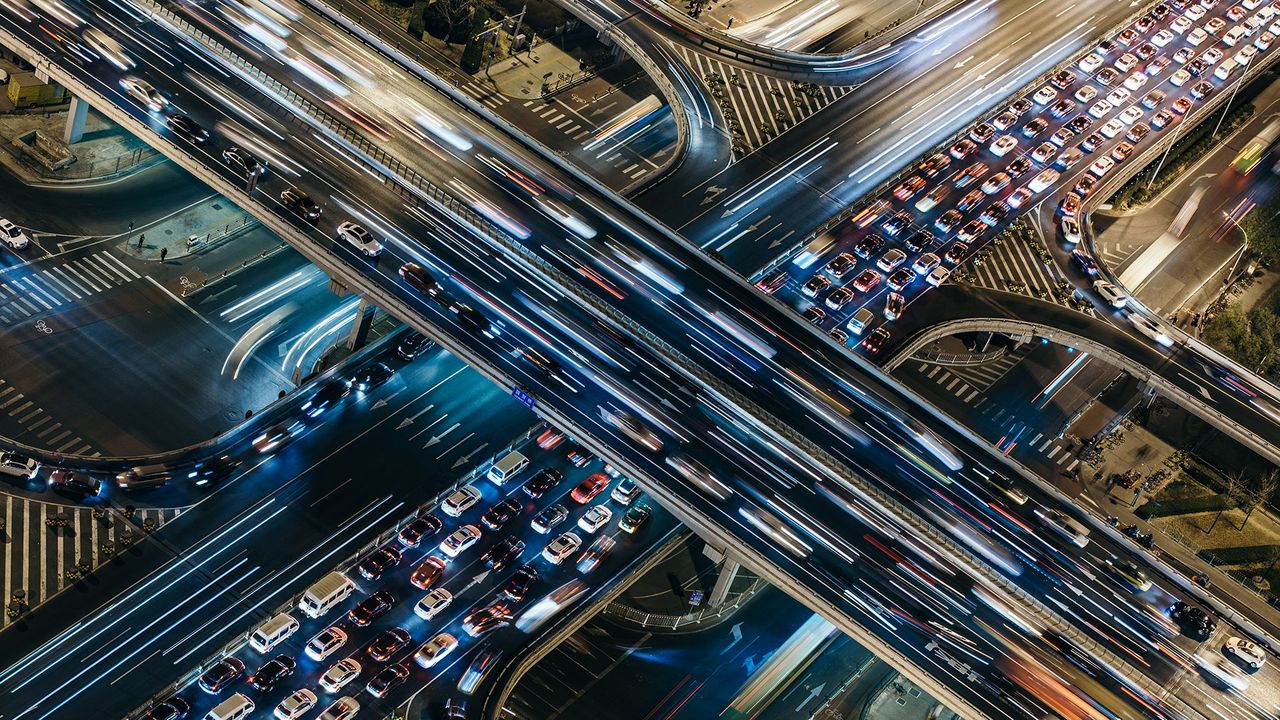
Sitting in traffic is frustrating, but it’s a reality millions face daily. Gridlocked intersections, poorly timed signals, and unexpected surges in traffic can bring cities to a standstill. Traditional traffic lights operate on fixed schedules, failing to adjust to real-time conditions. But what if artificial intelligence and smart technology could take over, making real-time decisions to keep traffic flowing?
The idea of smart traffic lights is gaining traction as cities seek ways to reduce congestion without relying on human intervention. These systems use sensors, cameras, and AI algorithms to analyze traffic flow, predict congestion patterns, and adjust signals instantly. Unlike traditional timers, smart traffic signals can prioritize emergency vehicles, extend green lights for heavy traffic, and even respond to real-time weather conditions. But are they the future of urban mobility, or do they come with unforeseen risks that could lead to more accidents and liability concerns?
Are Smart Traffic Lights Reducing Accidents—or Creating New Dangers?
Smart traffic lights are designed to improve safety, but like any technology, they aren’t foolproof. While they can adjust timing based on real-time data, unpredictable human behavior, system failures, and technical glitches still pose challenges. Drivers used to predictable light patterns might not react well to constantly changing signals, leading to more rear-end collisions or intersection confusion. Cyber threats could become a factor—what happens if hackers manipulate smart traffic systems for malicious intent?
For those involved in car accidents caused by traffic signal malfunctions, determining liability can be complex. Was the crash caused by a technical failure, a poorly designed AI system, or a city’s lack of oversight? If you’re dealing with the aftermath of a traffic accident, the top-rated Las Vegas car accident attorneys at The Janda Law Firm Accident & Injury Lawyer can help victims navigate these complex cases. As cities continue experimenting with smart infrastructure, legal questions surrounding liability and AI-driven decision-making will become even more important.
How AI Traffic Systems Work—and Why They May Not Be Enough
At their core, AI-powered traffic lights rely on data collected from sensors, cameras, and connected vehicles. These systems use machine learning to analyze past traffic trends and make split-second decisions on when to change signals. Some cities have seen improvements, with reduced congestion and faster commute times, but others have faced unexpected drawbacks. For example, a system may prioritize one direction too heavily, leading to delays elsewhere or increased pedestrian wait times.
Another challenge is the cost of upgrading entire traffic networks. Many cities struggle with budget constraints and outdated infrastructure, making large-scale smart light implementation difficult. Additionally, not all vehicles communicate with smart traffic systems—older cars, motorcycles, and pedestrians still rely on traditional timing patterns, which could lead to confusion and unsafe situations. As promising as AI-driven signals are, they are only one piece of the larger traffic management puzzle.
How Do Smart Lights Adapt to Unpredictable Traffic Events?
One of the biggest tests for smart traffic lights is how well they respond to unexpected events. Accidents, road construction, or sudden traffic surges can throw off even the most advanced systems. AI-powered lights rely on predictive algorithms, but real-world traffic can be chaotic and unpredictable. If an accident occurs in an intersection, will the system reroute traffic efficiently, or will it create unintended bottlenecks?
Emergency vehicle prioritization is another key factor. Ideally, smart lights should detect approaching ambulances or fire trucks and clear intersections accordingly. However, some systems struggle to differentiate between an actual emergency and a cluster of cars moving at high speeds. Without proper safeguards, smart traffic signals could inadvertently worsen congestion rather than solve it.
Could Smart Traffic Lights Reduce Carbon Emissions?
One of the lesser-discussed benefits of AI-powered traffic management is its potential environmental impact. Traffic congestion contributes to excessive fuel consumption, and idling cars release unnecessary emissions. Optimizing traffic flow with smart lights could contribute to reducing fuel waste, lowering pollution, and enhancing urban air quality. Cities looking to combat climate change may see AI traffic control as a way to make transportation more sustainable.
However, these benefits depend on widespread implementation. A few smart intersections won’t make a major dent in emissions, but a fully connected network could. This raises the question: should governments invest in AI-powered traffic lights not just for efficiency, but for environmental reasons? If so, how do they balance that with other pressing infrastructure needs?
Will Smart Traffic Lights Make Human Traffic Control Obsolete?
With AI-driven traffic systems improving each year, some experts predict that traditional traffic control will soon be unnecessary. Smart lights, self-driving cars, and vehicle-to-infrastructure (V2I) communication could work together to eliminate human error and congestion. However, humans are unpredictable—drivers make sudden lane changes, pedestrians jaywalk, and unexpected road conditions can create situations no AI system has encountered before. This unpredictability raises concerns about over-relying on technology that isn’t yet perfect.
Even with smart systems in place, there will likely always be a need for human intervention in traffic management. Accidents, road closures, and emergencies require quick judgment calls that AI may struggle to handle. Rather than replacing human oversight, smart traffic lights may work best as a tool that enhances, rather than replaces, traditional traffic control methods. The goal should be a balance between automation and human decision-making to ensure safer roads for everyone.
What’s Next? The Future of AI in Traffic Management
The future of smart traffic lights depends on how well they integrate with other emerging technologies. As more vehicles become equipped with AI-powered navigation, adaptive cruise control, and autonomous driving features, traffic lights may need to evolve further. Instead of just changing colors based on traffic flow, future systems could directly communicate with vehicles, optimizing speed and route choices in real time.
Despite the promise of AI-driven traffic management, human oversight, cybersecurity protections, and infrastructure upgrades must keep pace. The ideal solution isn’t just about eliminating congestion but ensuring that traffic technology works in a way that prioritizes safety, efficiency, and accessibility for all road users. Whether smart lights can truly eliminate traffic problems without human help remains an open question, but the future of traffic control is evolving faster than ever.
