


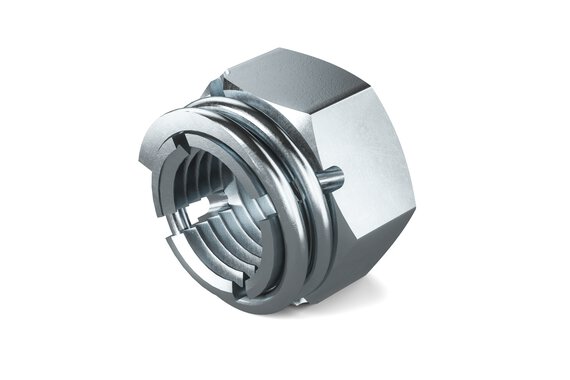
When it comes to building or upgrading an engine for peak performance, every detail matters — from high-performance pistons to precision-machined cylinder heads. But amidst all the excitement about horsepower gains and torque increases, there’s a small component that plays a huge role in the long-term success of your engine build: locking nuts.
These often-overlooked fasteners are essential for keeping critical engine parts secure under extreme conditions. Whether you’re pushing limits on the track or enhancing your daily driver, understanding and using the right locking nuts can mean the difference between reliable performance and catastrophic failure.
What Are Locking Nuts?
Locking nuts are specialized fasteners designed to resist loosening due to vibration, torque, and thermal expansion — all common stressors in a high-performance engine. Unlike standard nuts, which can gradually back off over time, locking nuts feature mechanical or chemical properties that ensure they stay firmly in place.
There are several types of locking nuts, including:
- Nylon insert lock nuts: These have a nylon collar that grips the threads of the bolt, preventing loosening.
- All-metal lock nuts: Designed without plastic, these are ideal for high-heat applications like exhaust or turbo systems.
- Top-lock or prevailing torque nuts: These deform slightly to create friction against the bolt threads.
Each type has its place depending on the temperature, vibration level, and torque requirements of your engine components.
Why Locking Nuts Matter in Performance Builds
When you’re upgrading an engine for performance, you’re increasing power, which usually means more heat, more vibration, and more internal movement. These forces can loosen traditional nuts, especially those on critical parts like intake manifolds, headers, flywheels, and valve trains.
Loose bolts and nuts can cause:
- Oil or coolant leaks
- Misalignment of components
- Engine misfires or loss of compression
- Complete engine failure in worst-case scenarios
Locking nuts provide a simple, affordable, and effective way to avoid these problems. For example, during a turbo upgrade, using all-metal lock nuts on the exhaust manifold helps resist thermal cycling that could loosen fasteners. Similarly, locking nuts on connecting rods or main caps help maintain internal integrity under high RPM stress.
Where to Use Locking Nuts in Your Engine Build
Not every nut needs to be a locking nut, but key areas of the engine benefit significantly from their use:
- Exhaust Manifold and Turbo Mounts: With high heat and vibration, these areas demand all-metal locking nuts.
- Intake Manifold and Throttle Body: Nylon insert or prevailing torque nuts keep air-tight seals intact.
- Suspension and Engine Mounts: These experience constant vibration and movement — perfect candidates for lock nuts.
- Valve Covers and Oil Pans: To avoid drips and leaks due to loosening, nylon insert nuts offer a secure fit.
- Flywheels and Clutch Assemblies: These critical connections benefit from high-strength locking solutions, sometimes combined with thread locker for extra security.
Pro Tips for Using Locking Nuts
- Always match the nut type to the application. Nylon insert nuts degrade under high heat, so avoid them near exhaust systems.
- Do not reuse all-metal lock nuts more than once. Their locking mechanism relies on deformation and may weaken after removal.
- Use a calibrated torque wrench to tighten locking nuts. Over-torquing can damage threads, while under-torquing may reduce their effectiveness.
- Combine with thread-locking compounds when necessary, especially in motorsports or off-road applications.
Locking Nuts: Small Investment, Big Insurance
In performance engine building, success isn’t just about adding power — it’s about maintaining it. The best upgrades in the world mean nothing if parts shake loose at high RPMs. Locking nuts provide peace of mind, ensuring that every component you install stays secure under stress.
Whether you’re assembling a street-tuned import, building a V8 track monster, or simply upgrading your daily driver’s reliability, incorporating locking nuts into your hardware strategy is a smart, professional move. It’s a small detail that can deliver big reliability dividends.
So the next time you’re wrenching under the hood, remember: locking nuts might be small, but their impact is massive.
