


Doing 3,000 miles across the United States isn’t a long Sunday drive. It’s a dynamic, rolling challenge that spans weather extremes, time zone shifts, and rapidly changing terrains. From the Pacific Coast’s marine layer to the dry heart of Texas and back to the rainy Atlantic corridors, you’re not just moving across geography—you’re traversing culture, habits, and pace.
The biggest rookie mistake? Choosing a car based on what looks good in photos. When your vehicle doubles as your hotel, snack bar, and storage unit, style points fade quickly under the pressure of sore backs and limited cup holders. Add in stretches of land with no cell service and gas stations spaced 150 miles apart, and suddenly function takes a sharp lead over form.
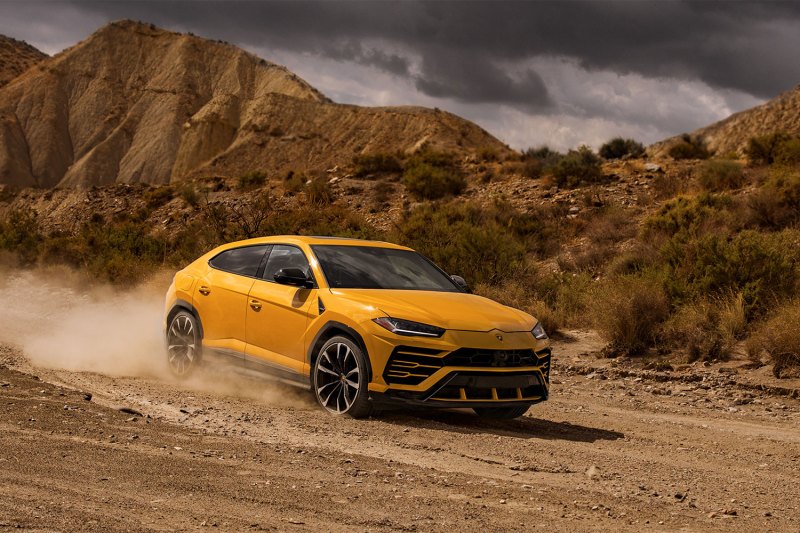
A cross-country trip requires a machine that works with you, not just for you. That means handling eight hours of asphalt per day, occasional sleep in the backseat, spontaneous detours to rural diners, and the kind of dusty backroads Google Maps avoids.
Know Thy Driver – The Human Element Behind the Wheel
Who you are changes everything about what you need. Solo travelers will prioritize music systems and lane assist. Couples might want storage for two suitcases and a bit of luxury. Families will crave rear-seat entertainment and enough room to stop WWIII from breaking out in row three.
Your driving style matters too. If you’re the “let’s see where the road goes” type, you need a car that handles dirt and surprises. If you’re a hyper-planner, fuel efficiency and scheduling tools will take the lead.
Personality quirks sneak in too. Some folks need silence, others need a rolling playlist. Climate preferences, posture issues, and even anxiety about tight parking will all bubble up over thousands of miles. The right car aligns with your comfort defaults. It doesn’t try to change them.
Terrain Matters – Highways Are Not the Whole Story
Not all coast-to-coast trips hug clean interstates. Some of the best memories happen between the white lines of the unknown. And that means your car has to be ready to handle more than just a flat ribbon of road.
The Great Plains will throw crosswinds. The Rocky Mountains will test your brakes. Appalachian towns might slow you down with one-way streets and unexpected potholes. It’s not just about engine size. It’s about how your car reacts to the planet underneath it.
All-wheel drive may not be necessary the whole way, but when you’re skirting snowy passes or following dirt roads into a national park, you’ll thank yourself. High ground clearance also keeps you from cringing every time you cross a cattle guard or forgotten gravel shortcut.
Fuel Efficiency vs. Refueling Anxiety
Yes, gas prices fluctuate. But beyond that, there’s the raw, tactical issue: refueling access. In between states like Utah, Nevada, and the Dakotas, there are towns that aren’t really towns—just dots on a map with no open pumps past sunset.
Hybrid vehicles often win the long-distance efficiency game. However, their electric siblings still suffer from what we can call “charging deserts.” Not every rest stop has a plug. Apps like PlugShare and GasBuddy help, but only if your car has the range to get there.
Gasoline cars may cost more in the long run, but their refueling windows are still shorter and more predictable. This is a trade-off: do you want to pay less over time or reduce refueling stress in the moment?
Planning ahead matters. Know your range, your backup stops, and the hours they keep. You don’t want your road trip story to include walking five miles with a gas can.
Comfort Isn’t a Luxury – It’s the Only Way to Stay Sane
After Day Three, comfort becomes sanity. Cars that felt fine during the dealership test drive start revealing their secrets. Poor lumbar support? Hello, lower back rebellion. Plastic seats under desert sun? You’ll roast. Cloth seats in humid climates? Welcome to swamp city.
What matters most: ergonomics, seat padding, ventilation, noise insulation, and smart storage. The glovebox isn’t just for documents—it’s a mini-pantry now. Cup holders must multitask as sauce cradles, sunglasses holders, and phone stands.
You want a car where everything is within arm’s reach: water bottle, granola bar, sunglasses, and your playlist controls. The more you stretch or contort to grab daily items, the more the car becomes a chore.
Think of it this way: road trip seating shouldn’t feel like you’re parked in restaurant furniture—nice to look at but uncomfortable after the second hour. You need support that holds up through long miles, not just short meals.
Tech That Actually Helps – and Tech That Gets in the Way
Infotainment systems walk a fine line between helpful and obnoxious. Built-in GPS might seem cool until you hit a zone with no updates and realize your phone knows more. But on the other hand, constantly juggling cords and mounts can become a daily circus.
The best tech is what reduces decision fatigue. Adaptive cruise control, lane assist, and blind spot monitors can turn a tough highway haul into a more relaxed ride. On the flip side, over-sensitive alerts or constant beeping systems become distracting fast.
Offline tools still matter. Download your maps. Bring a power bank. Assume you will lose signal at some point.
Also, don’t forget the human side of tech. Can the backseat passengers charge their devices? Is the screen readable under sunlight? Can Grandma connect her playlist without calling for help?
The Top Contenders – Based on Purpose, Not Popularity
Let’s get real: no single car wins every category. But here’s a guide based on real needs:
Solo Travelers
- Subaru Outback: Rugged, reliable, and AWD.
- Mazda CX-5: Smooth ride with just enough flair.
- Toyota Prius: Top-notch mileage and deceptively roomy.
Couples Seeking Luxury
- Volvo XC90: Quiet cabin and plush interiors.
- Audi Q5: Balanced handling with aesthetic polish.
- Lexus RX: Reliable sophistication.
Budget Adventurers
- Honda Civic Hatchback: Compact yet capable.
- Kia Soul: Funky, affordable, surprisingly spacious.
Families or Friends
- Toyota Sienna Hybrid: Tons of space, hybrid gains.
- Ford Explorer: Great for highway stretches.
- Chrysler Pacifica: Smart entertainment setup.
Off-Grid & Scenic Route Explorers
- Jeep Grand Cherokee: Off-road credibility.
- Rivian R1S: Electric meets adventure.
- Toyota 4Runner: Built for dirt, sand, and silence.
Choose based on your trip’s tone. If you’re chasing sunsets in remote forests, don’t bring a Civic. If you’re hugging the coast with friends and karaoke playlists, the Soul might surprise you.
Other Factors That Will Make or Break the Trip
Before you even load the car, you need to prep like it’s a mini-mission. Insurance matters—check your deductibles and whether rental coverage extends to interstate miles. Maintenance should be fresh: oil changed, tires rotated, brakes checked.
Roadside kits aren’t just for Boy Scouts. Jumper cables, a tire patch kit, flashlight, gloves, and a blanket can save hours of drama.
Weight distribution also changes the feel of the drive. Keep heavier items low and centered. Know where your essentials are packed so you don’t have to unpack your entire trunk to reach your toothbrush at a gas stop.
And before heading out, test drive your setup. Spend a few hours in your car with everything loaded. Let your body get used to how it feels. A short warm-up drive could spare you days of stiffness or regret.
Choose a Car That Supports Your Story
The best car for a coast-to-coast trip is rarely the one you brag about. It’s the one you stop thinking about because it’s doing its job so well you can focus on the trip, not the ride.
You want something that melts into the background—quietly reliable, comfortably intuitive. Whether you’re chasing BBQ in Kansas, jazz in New Orleans, or family in Vermont, the car is the frame, not the painting.
A good road trip feels like a rhythm. The right car hums along with it. You don’t remember the gas mileage by the end; you remember the roadside diner you found by mistake, the sunset near Flagstaff, or the morning fog as you crossed into Oregon.
Pick a car that moves with you, that lets you fall into flow, and that doesn’t argue with your needs. Your story is the road. The vehicle is just how you hold the pen.
