


Understanding Common Pet Health Issues
Recognizing Symptoms Early
It’s super important to catch any signs of illness in your pet as soon as possible. Just like us, pets can’t always tell us when they feel off. Watch for changes in their eating habits, energy levels, or bathroom routines. Maybe they’re not as playful, or they’re sleeping more than usual. If they’re vomiting or have diarrhea, that’s a red flag too. Keep an eye on their weight and coat condition; if something seems off, it’s time to think about a vet visit.
Preventative Measures for Pet Owners
Staying ahead of health issues can save you a lot of stress and money. Regular grooming, a balanced diet, and plenty of exercises are key to keeping your pet healthy. Don’t forget about flea and tick prevention, especially if your pet spends time outdoors. You might want to create a checklist to keep track of these things:
- Regular grooming sessions
- Balanced meals
- Daily exercise
- Flea and tick prevention
- Routine vet check-ups
The Role of Regular Check-Ups
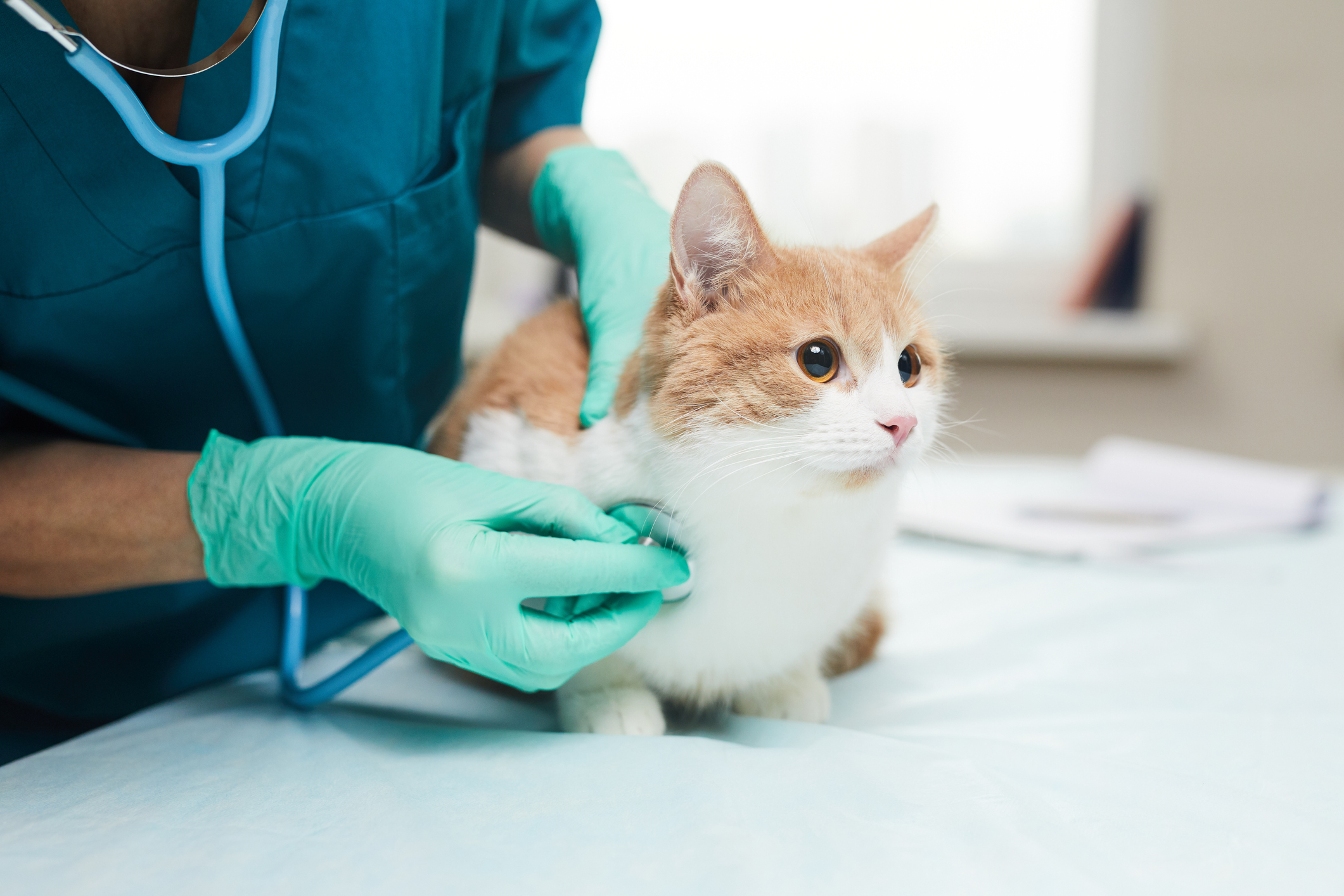
Routine vet visits are more than just a formality—they’re your best bet for catching problems early. During these visits, vets can spot things that aren’t obvious to us. They’ll check your pet’s weight, examine their teeth, and might even run some blood tests. These check-ups are a great time to ask questions and get advice on your pet’s diet, behavior, or any concerns you have. Remember, it’s easier to prevent a problem than to treat one.
Gastrointestinal Problems in Pets
Signs of Digestive Distress
Pets, just like us, can have tummy troubles. Watch for signs like vomiting, diarrhea, or a lack of appetite. These symptoms might seem minor but can indicate something more serious. Sometimes, pets might also show signs of discomfort like whining or not wanting to move around much.
Dietary Recommendations for Sensitive Stomachs
If your pet has a sensitive stomach, it’s important to choose the right food. Here are some tips to help:
- Opt for high-quality pet food with easily digestible ingredients.
- Avoid sudden changes in diet; introduce new foods gradually.
- Consider foods specifically formulated for sensitive stomachs.
When to Consult an Orillia Vet
Knowing when to take your pet to the vet can be tricky. If your pet’s digestive issues last more than a day or two, or if they seem to be in pain, it’s time to see a vet. Also, if there’s blood in their vomit or stool, don’t wait—get them checked out immediately. Remember, it’s better to be safe and have a professional take a look.
Skin Conditions and Allergies
Identifying Common Skin Issues
Pets can suffer from a variety of skin problems, and it’s important to spot them early. Look out for excessive scratching, redness, or bald patches. These can be signs of issues like fleas, dermatitis, or even infections. Catching these signs early can save your pet a lot of discomfort.
Managing Allergies in Pets
Just like humans, pets can have allergies too. Common triggers include pollen, certain foods, and even dust. Managing these allergies involves a mix of identifying triggers and possibly adjusting your pet’s diet or environment. It might be helpful to:
- Conduct an allergy test with your vet.
- Keep your home clean and free of dust.
- Use hypoallergenic pet products.
Treatment Options Available
There are several ways to treat skin conditions and allergies in pets. Depending on the cause, your vet might recommend topical treatments, oral medications, or even special shampoos. Sometimes, a change in diet can make a big difference.
Remember, always consult with your vet before starting any treatment to ensure it’s safe and suitable for your pet.
Dental Health for Pets
Importance of Oral Hygiene
Taking care of your pet’s teeth is super important. Just like us, pets can have all sorts of issues if their teeth aren’t looked after. Bad breath, gum disease, and even tooth loss can happen if their dental health is ignored. Regular brushing and dental treats can help keep their mouth healthy. It’s a simple way to avoid bigger problems down the line.
Common Dental Problems
Pets can suffer from a range of dental issues. Some of the most common ones include:
- Plaque and tartar buildup
- Gingivitis
- Broken or fractured teeth
Regular check-ups with your Orillia vet can catch these issues early. They can advise you on the best ways to prevent these problems from becoming serious.
Professional Dental Care from an Orillia Vet
Sometimes, home care isn’t enough, and that’s where your Orillia vet comes in. They can perform professional cleanings and check for any hidden issues. These visits are crucial to ensure your pet’s teeth stay in top shape. Plus, they can offer tips on how to maintain your pet’s oral health at home.
Keeping your pet’s teeth clean isn’t just about having a nice smile—it’s about their overall health. A healthy mouth can mean a healthier pet, so don’t skip those vet visits!
Behavioral Changes and Mental Health
Understanding Behavioral Red Flags
Pets sometimes act differently, and it can be a sign something’s off. Maybe your dog is suddenly barking all night, or your cat’s hiding more than usual. These changes might hint at stress, anxiety, or even pain. Watch out for things like aggression, excessive grooming, or loss of appetite. These behaviors can mean different things, but they all suggest your pet might need help.
Mental Health Support for Pets
Just like us, pets need mental health care. Providing a stimulating environment can make a big difference. Think about toys that challenge them or activities that keep them engaged. Regular playtime isn’t just fun; it’s essential for their well-being. Also, consider calming products if your pet seems anxious. Sometimes, a simple change in routine can also help.
Consulting an Orillia Vet for Behavioral Issues
If your pet’s behavior changes and you can’t figure out why, it might be time to see a vet in Orillia. They can help diagnose any underlying issues. Here’s what you should do:
- Note any specific changes in behavior and when they started.
- Keep track of your pet’s diet, exercise, and any new stressors.
- Share these details with your vet to help them understand the situation better.
It’s important to remember that pets can’t tell us when something’s wrong, so we have to pay attention to their actions. A vet visit can provide peace of mind and help get your pet back to their happy self.
Vaccinations and Preventative Care
Essential Vaccinations for Pets
Vaccinations are a key part of keeping your pet healthy. They protect against a range of diseases that can be serious or even fatal. For dogs, core vaccines typically include rabies, distemper, parvovirus, and adenovirus. Cats often need vaccines for rabies, feline distemper, and feline herpesvirus. It’s important to follow your vet’s recommended schedule to ensure your pet is protected.
Scheduling Regular Vet Visits
Regular vet visits are more than just getting shots. Your vet will check your pet’s overall health, monitor weight, and look for any signs of illness. These visits help catch problems early, when they’re easier to treat. Aim for at least one vet visit a year, or more if your pet has ongoing health issues.
The Importance of Preventative Care
Preventative care isn’t just about vaccines. It includes things like flea and tick prevention, heartworm medication, and dental care. By staying on top of these, you can help your pet live a longer, healthier life. Here’s a quick checklist:
- Keep up with vaccinations
- Use flea and tick prevention
- Give heartworm medication
- Brush your pet’s teeth regularly
Staying proactive with your pet’s health can save you time and money in the long run. A little prevention goes a long way.
Incorporating these practices into your pet care routine not only ensures their wellbeing but also strengthens your bond with them. Lifelearn client ed resources can provide further guidance on maintaining your pet’s health.
Emergency Situations Requiring Immediate Attention
Recognizing a Pet Emergency
When your pet suddenly isn’t acting like themselves, it can be worrying. Knowing the signs of a true emergency is key. Look out for symptoms like difficulty breathing, excessive bleeding, or sudden collapse. If your pet is in severe pain, has a seizure, or is unable to move, these are all red flags that need urgent attention.
Steps to Take in an Emergency
- Stay Calm: Your pet will sense your anxiety, so take a deep breath and keep your cool.
- Assess the Situation: Quickly determine if your pet is in immediate danger. Check for breathing and responsiveness.
- Contact Your Vet: Call your Orillia vet right away. Provide clear information about your pet’s condition and follow their advice.
- Prepare for Transport: If advised, gently move your pet to a vehicle. Be careful to support any injured areas.
- Drive Safely: Speeding won’t help if you end up in an accident. Drive carefully to the vet’s office.
How an Orillia Vet Can Help
In emergencies, an Orillia vet is your best ally. They have the skills and equipment to handle critical situations. From stabilizing your pet to performing life-saving procedures, vets are trained to act swiftly and efficiently.
In the heat of the moment, it’s easy to panic. But remember, your calmness and quick actions can make all the difference in your pet’s recovery. Always have your vet’s contact information handy and know the fastest route to their clinic.
Wrapping It Up
So, there you have it. Pets, just like us, can have their fair share of health hiccups. From the usual fleas and ticks to those sneaky dental issues, it’s all part of the package. But hey, that’s why vets are around. If you’re in Orillia and something seems off with your furry buddy, don’t hesitate to give your local vet a call. Better safe than sorry, right? Keeping an eye on your pet’s health means more wagging tails and purring cuddles. And who doesn’t want that?
Frequently Asked Questions
What are some common signs that my pet might be sick?
If your pet is not eating, seems tired all the time, or is throwing up a lot, these could be signs they are sick. It’s important to watch for any changes in their normal behavior.
How can I prevent my pet from getting sick?
You can help keep your pet healthy by giving them good food, making sure they get exercise, and taking them to the vet for regular check-ups.
What should I do if my pet has a stomachache?
If your pet has a stomachache, watch them closely to see if it gets better. If they keep having trouble or seem in pain, it’s best to take them to the vet.
How do I know if my pet has skin allergies?
Pets with skin allergies might scratch a lot, have red or bumpy skin, or lose fur. If you notice these signs, talk to your vet about what to do next.
Why is dental care important for my pet?
Taking care of your pet’s teeth helps prevent problems like bad breath, gum disease, and tooth loss. Regular brushing and vet check-ups are important.
When should I take my pet to the emergency vet?
If your pet is having trouble breathing, bleeding a lot, or can’t stand up, these are emergencies. You should take them to the vet right away.
